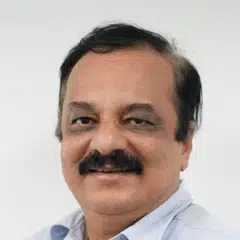
By all accounts, filmmaker R.S. Prasanna is not your typical Bollywood or Tamil film director. His journey into cinema didn’t begin in a studio, but in his mother’s daily prayers.
“I don’t know if I believe in God, but I believe in faith,” he said on Dec 30, during a holiday in Singapore with his wife and two sons. “Faith can move mountains – and my mother’s faith in me kept me going when I was struggling to make my first film.”
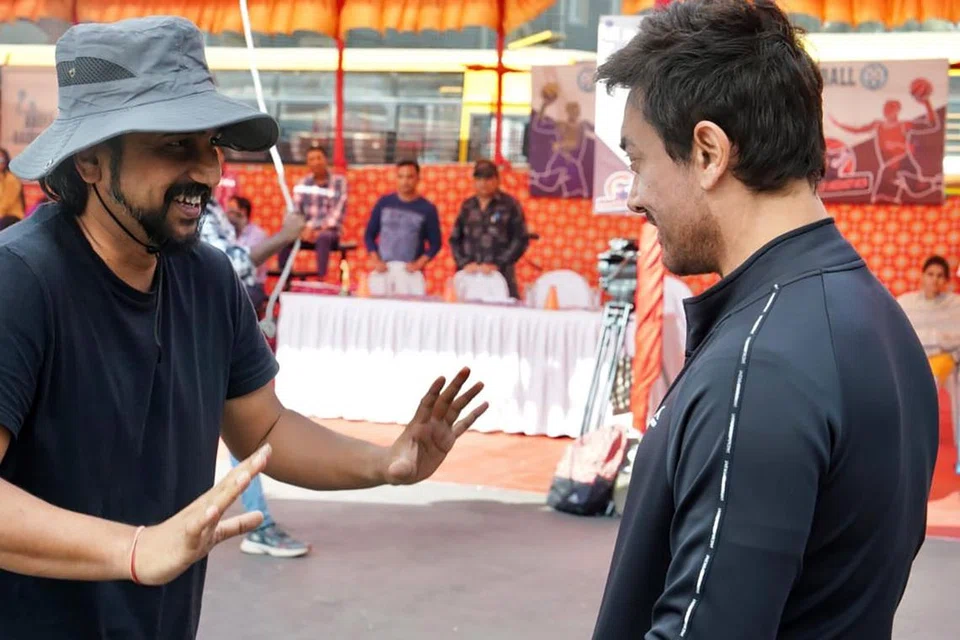
Today, the Chennai-born director is basking in the glow of having completed his most ambitious project yet – Sitaare Zameen Par, a moving, music-filled drama starring Bollywood superstar Aamir Khan about a basketball coach training a team of neurodiverse players.
It was not just another sports film. As Prasanna, 41, puts it: “This film was therapeutic. It didn’t just entertain – it healed.”
The film, which was released on June 20, 2025, was hailed as a “spiritual sequel” to the 2007 Aamir release Taare Zameen Par, which was commercially successful. Prasanna called his collaboration with Aamir a “once-in-a-lifetime experience”.
“When you work with someone like Aamir sir, who lives and breathes cinema, it becomes a beautiful process,” said Prasanna. “He has no ‘superstar’ hangups. He listens to feedback from everyone – including the children on set. The only thing that matters to him is the story.”
The script, adapted from the 2018 Spanish film Champions, was initially suggested to Aamir by his team after they saw Prasanna’s Shubh Mangal Saavdhan, a Hindi remake of his Tamil debut Kalyana Samayal Saadham. The sensitive portrayal of taboo subjects with humour caught Aamir’s eye.
Prasanna recalled: “I had always dreamt of working with him. I gave myself a 10-year timeline. It happened in two. It still feels surreal.”
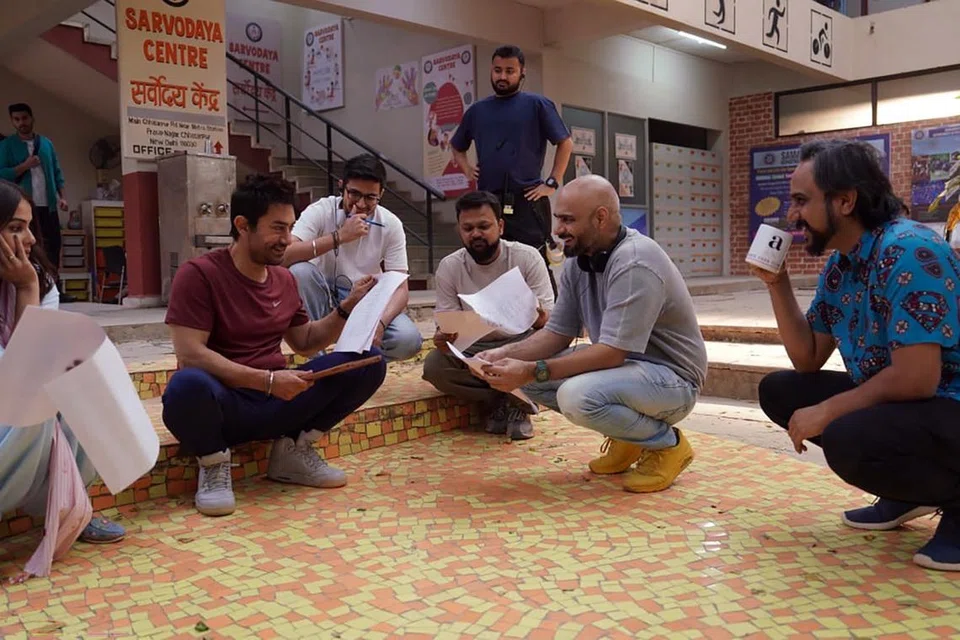
To cast the film’s neurodivergent leads, Prasanna and his team auditioned over 2,500 people across India. The final cast included 10 primary actors and about 80 others in supporting roles, all of whom have disabilities but are high-functioning and immensely talented.
“They brought joy to the set every day,” said Prasanna. “They didn’t have egos. They gave you 20 takes if needed. They hugged you, kissed you, and said, ‘Don’t worry sir, it’ll be okay.’ I’ve always been a hugger, but I learnt what active empathy really means from them.”
Care was taken to ensure the shoot environment was safe and inclusive. “We worked with therapists, educationists and NGOs. A paediatrician (Dr Nina Vaidya) trained us to communicate better. Their parents were on set, their needs – from food to costumes – were prioritised.”
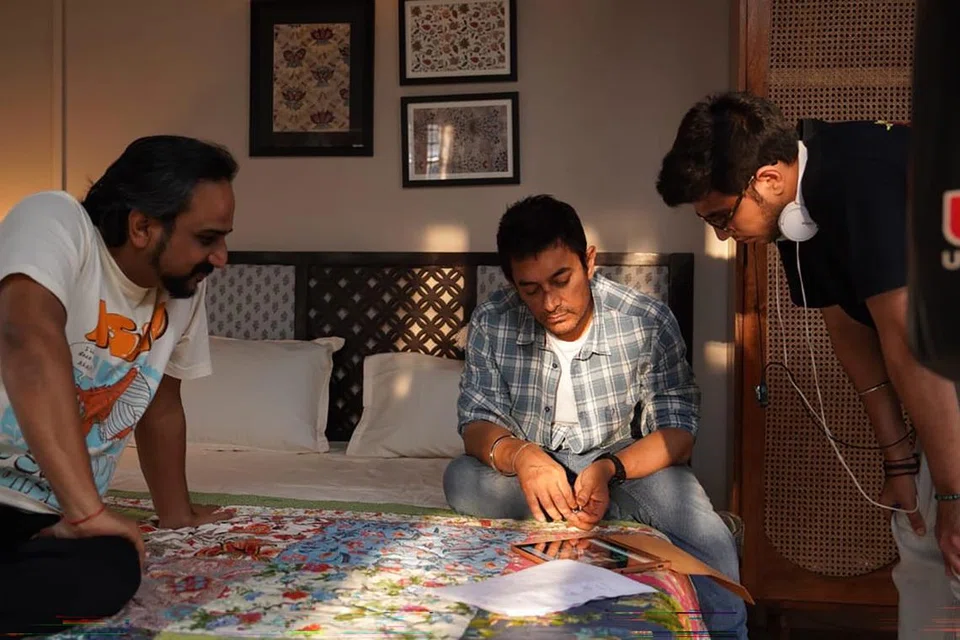
Known for his “feel-good” style of storytelling, Prasanna is unapologetic about happy endings. “There’s enough cruelty in real life. Why replicate that in cinema?” he asked. “For me, the purpose of art is to give hope. We all need it.”
He believes the true villain in most of his stories is not a person, but a mindset – whether it’s stigma around erectile dysfunction (Shubh Mangal Saavdhan) or discrimination against the disabled (Sitaare Zameen Par). “Nobody in my films is evil. People are just trying to live their lives. That’s real.”
Even when asked about film trends, Prasanna resisted the idea of formula. “Cinema is not maths. What worked once won’t work again. The only recipe for success is honesty,” he said.
Prasanna’s love affair with cinema began with Kamal Haasan’s Guna, a film about a neurodivergent man in search of pure love.
“I was deeply affected by it,” he said. “My relatives used to tease me for mimicking Kamal sir as a kid. But who’s to say what’s normal? That film made me realise cinema could be both personal and powerful.”
He went on to study engineering, but continued to make short films on weekends, before enrolling at the L.V. Prasad Film and TV Academy in Chennai, from which he emerged as the topper in his class. His debut Tamil film, Kalyana Samayal Saadham (2013), tackled erectile dysfunction in a middle-class wedding setup, a bold subject for its time. The Hindi remake, as Shubh Mangal Saavdhan (2017), catapulted him into the national spotlight.
Currently, Prasanna is working on a biopic about mathematical genius Srinivasa Ramanujan. “It’s a story of Indian intuition meeting Western rationalism. A thinker from a temple town who astonished the West with pure mathematics – it’s a story waiting to be told,” he said.
He also hopes to return to Tamil storytelling, especially through a project close to his heart – a series on the Tamil diaspora in Singapore.
Tentatively titled Yada Mure (a play on “Yadhum Oore, Yavarum Kelir” or “Every place is my hometown”), the series will explore migrant Tamil life with warmth and humour.
“It’s time we told stories about what Tamils bring to the world – not just our struggles but our joys, our family drama, our dreams,” he said, referencing a recent taxi ride in Singapore that sparked the idea.
“There’s so much untapped potential in NRI Tamil narratives. I want to tell those stories – funny, moving, feel-good stories.”
For Prasanna, filmmaking remains a deeply spiritual act. “Even when I’m not making a film, I’m thinking about one. It’s what brings me alive,” he said.
Whether it’s a mainstream Bollywood film with Aamir or a quiet biopic about a forgotten genius, Prasanna’s lens remains steady – he’s looking for goodness, resilience, and hope.
“In movies, I want to see the good guy win. Because when they do, it reminds us that maybe we can too.”