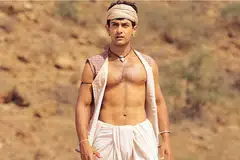

Alongside the epic Lagaan, South Asian stories were plentiful at this year’s Singapore International Film Festival.
Mayilaa (Peahen), a Tamil film from India, was the first to premiere under the festival’s Horizon programme.
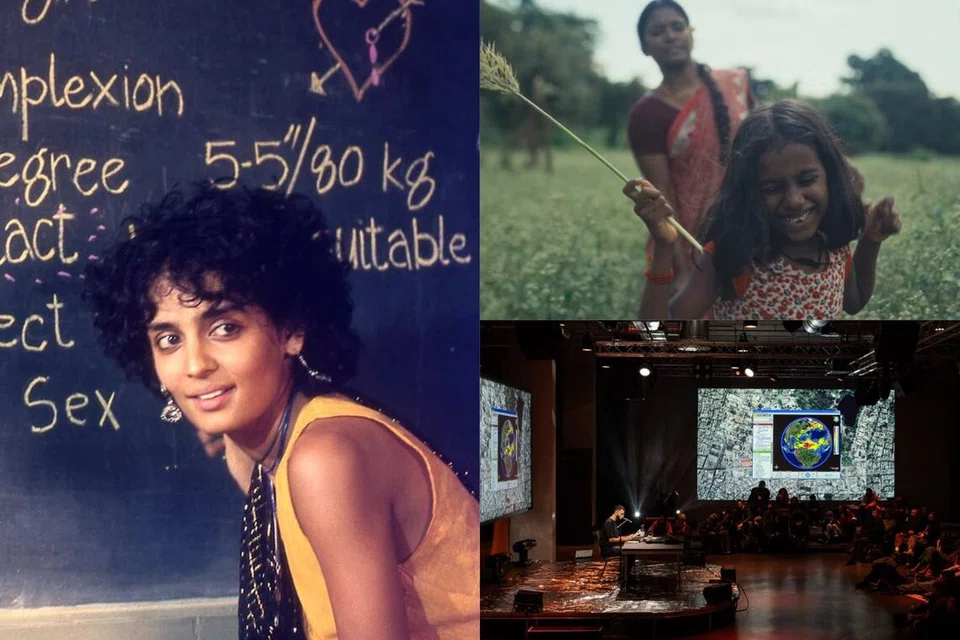
Director Semmalar Annam tells the story of a mother finding independence and solidarity among fellow women that she meets travelling on a moped in rural South India, all while working on her relationship with her daughter.
Pradip Krishen’s In Which Annie Gives It Those Ones, which stars author and activist Arundhati Roy, made its Southeast Asian Premiere in the festival, 37 years since its release in 1989.
“It feels unreal! I’m still pinching myself!” said Pradip on this feat.
The film followed the trials and quirks of architecture students in Delhi, and won Best Feature Film in English and Best Screenplay in India’s 1989 National Film Awards.
“The intriguing thing for me is how this film lands in very different cultures. ‘Annie’ is so rooted in a particular sub-culture – Delhi Uni in the early 1970s – that it always feels a little surprising that the film ‘travels’ so well – even to places that have no familiarity with India,” he said.
Several multi-media panels and experiences were sprinkled through the festival, including The Compression Zone, a video game performance by London-based game designer and geographer Shaheer Tarar.
“Using games as a form of theatre,” as Shaheer said, the audience watches Shaheer play the game, which uses cartography and abstract imagery to talk about the modern transfer and collection of data.
Shaheer’s love for this combination of maps and games started young. “When I was growing up in Pakistan, we got our first home computer, and Google Earth was probably my favourite piece of software. I loved showing people their own neighbourhoods from a completely new perspective, one they had never experienced before,” he said.
Asian Feature Film Competition
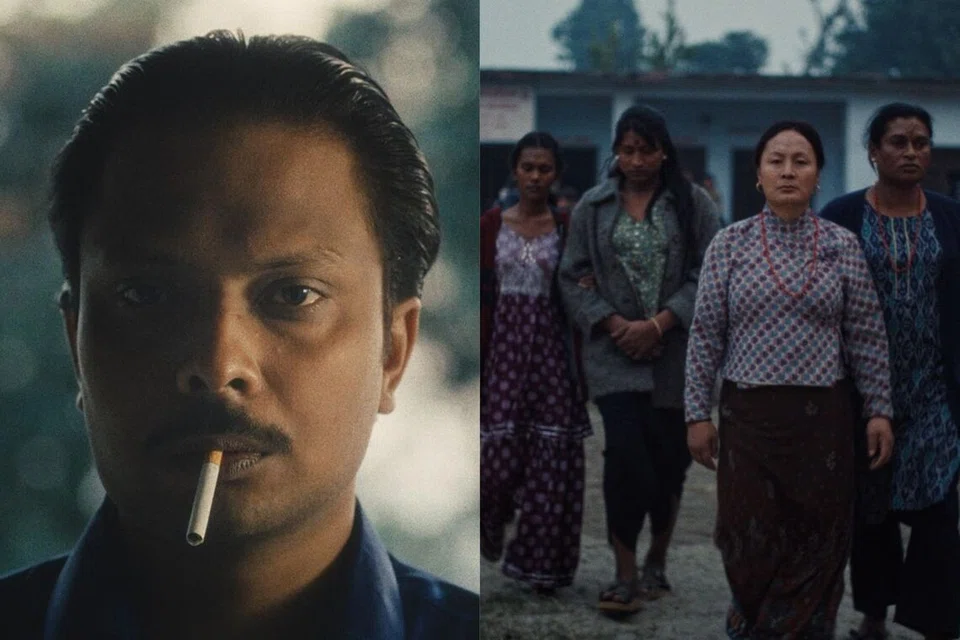
The Ink-Stained Hand And The Missing Thumb represents India in the festivals’ Asian Feature Film Competition.
The debut feature film of director Yashasvi Juyal, follows a couple who work as highway toll-collectors in the hills of Uttarakhand, when suddenly tragedy strikes and their lives evolve into a ghostly, absurd charade.
The film is filled with some of the most beautifully lit, albeit long, visuals that exude the uneasy yet blissful atmosphere created by the story and performances. Yashasvi attributes the slow-editing style to rural life, immersing audiences in that pace.
Some of the conflicts and themes of the film also come from an issue he has seen in his home state, which is that of migration. People migrating from the Himalayas to the plains, and then the plains to metropolitan areas.
“It’s about love. And it’s about grief and migration, definitely, because I think, migration doesn’t just come with people packing bags and leaving home, it comes with a lot of psychological and personal things which are unexplainable, non-conventional. You don’t know what goes on inside you when you don’t have a home,” said Yashasvi.
Nepali director Abhinash Bikram Shah’s Elephants In The Fog is also in the competition line-up, and has already received praise in the film circuit, winning the Jury’s Prize in the Un Certain Regard section at the 79th Cannes Film Festival.
Pushpa Thing Lama plays the lead, a mother who searches for her daughter after a mysterious disappearance during her village’s Elephant Watch expedition. One of the main subjects the film explores is the Kinnar community in Nepal, of which both mother and daughter belong to.
The Kinnars are a third-gender community in South Asia who are tied to divinity and spirituality in the regions.
Raw, gripping, and a little bit mystical, it’s no wonder the film got praise it has so far, with Pushpa delivering one of the best performances of the festival.
Pushpa has also worked as an activist for transgender and minority rights over two decades, so doing this film, despite being a first time actress, was crucial for her.
“We put our own experiences into this project and it took almost six years to shoot. It’s not just about a movie, it’s not about a character only, it’s about our life, our emotions and our identity. We are here”, she said.
Southeast Asian Short Film Competition
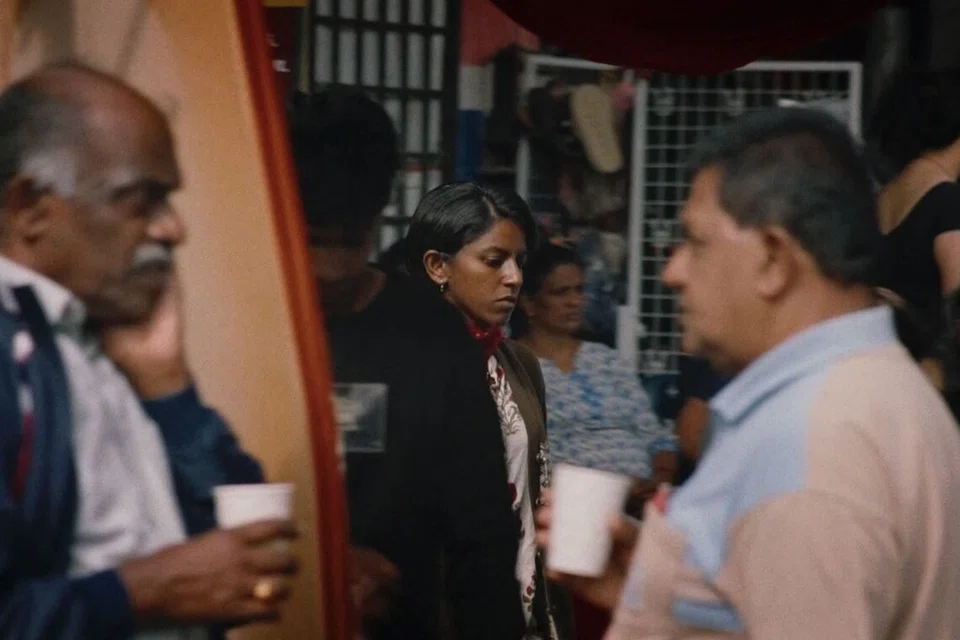
Malaysian filmmaker Krityishaa Karunagaran’s Flame Of The Forest was selected for the festival’s Southeast Asian Short Film Competition.
Screened under the competition’s Rage Against programme, we watch the continuous abuse and mistreatment of our lead character by her family, which spirals into a cathartic and hilarious climax during her grandmother’s last rites proceedings.
As the film also deals with sexual and familial rebellion, Krityishaa was slightly apprehensive about showing it to her family. “After the film there was more empathy than anger and curiosity rather than angst. They would ask, is this what you feel, what women or men around you feel?” she said.