Tollywood – the Telugu-language film industry headquartered in Hyderabad – is rapidly reshaping India’s cinematic landscape, rising as the country’s most commercially dominant and culturally influential film sector.
Once viewed as a “regional” counterpart to Mumbai’s Bollywood, Tollywood is now producing India’s biggest blockbusters, commanding global attention, and setting new standards for spectacle-driven filmmaking, reported Associated Press.
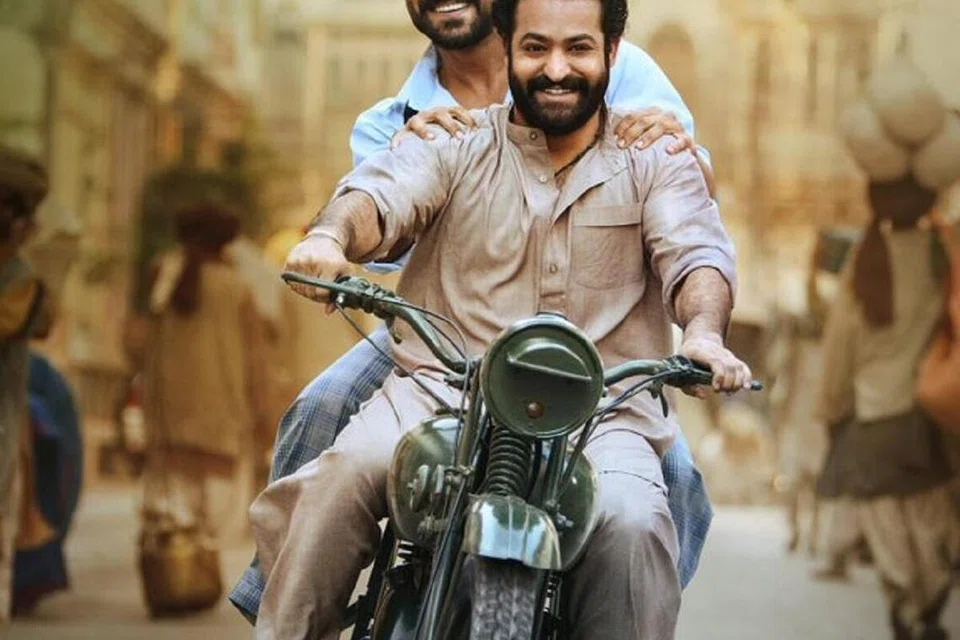
Over the last decade, films such as Baahubali, RRR, Pushpa, and KGF have proven that language is no barrier to cinematic impact. These high-adrenaline, mythic action dramas – dubbed into multiple Indian languages and streamed worldwide – have pulled audiences from Delhi to Dallas, challenging Bollywood’s long-held monopoly over Indian pop culture.
The turning point came with S.S. Rajamouli’s two-part Baahubali series, which shattered Indian box-office records and introduced Tollywood’s signature style: epic world-building, hyper-heroic protagonists, and sweeping emotional drama.
Rajamouli’s follow-up, RRR, elevated Telugu cinema into global awards territory, winning an Oscar for Best Original Song and earning acclaim from major Western publications.
Streaming platforms also accelerated Tollywood’s expansion, reported Bloomberg. As Netflix, Amazon Prime and others added regional-language films, Telugu titles found new fans beyond South India. This coincided with a slump in Bollywood’s output, as Hindi films faced criticism over formulaic storytelling, nepotism debates, and an increasingly urban-centric audience.
Tollywood’s home turf is another decisive asset. Hyderabad’s Ramoji Film City – the world’s largest studio complex – offers unmatched production infrastructure. The 1,600-acre facility houses massive outdoor sets, visual effects studios, and dozens of sound stages, enabling filmmakers to execute large-scale action sequences and special-effects-heavy storytelling that rivals Hollywood.
Tollywood produces around 300 films a year. While fewer than Bollywood’s annual output, their scale and marketing power often dwarf their Hindi counterparts.
Audiences across India have gravitated to Tollywood’s blend of action, family emotion, melodrama, music, and mythology – a combination increasingly positioned as “pan-Indian” cinema. Films like Pushpa and KGF achieved nationwide success in dubbed forms, demonstrating that storytelling rooted in local culture can resonate across linguistic boundaries.
Critics say the films’ hyper-masculine tone requires recalibration, but the formula’s popularity is undeniable. Stars like Allu Arjun, Prabhas, N.T. Rama Rao Jr, and Ram Charan now command fan bases that rival or surpass Bollywood’s biggest names.
Release events often resemble cultural festivals, attended by tens of thousands. Fans celebrate new film launches with confetti, drum beats, and the ritualistic “milk bath” – pouring milk over giant cut-outs of stars, a gesture usually reserved for gods.
Much of Tollywood’s global rise is credited to Rajamouli. His upcoming epic, Varanasi, blends mythology and time travel and is touted to be even more ambitious than RRR. His trademark larger-than-life filmmaking – influenced by Hollywood action classics and rooted in Telugu myths – has inspired an entire generation of Indian filmmakers.
Rajamouli says he does not chase global appeal but acknowledges that “finding your audience in the rest of the world has become much easier”.
In an era where audiences crave spectacle and emotion, Tollywood’s success has triggered a gold rush, with studios across India now racing to replicate the Telugu blockbuster model.