
Writer Benny Daniels said he only wanted to bring out the pain and struggles of an individual when he wrote the Malayalam novel Aadujeevitham (which means Goat’s Life), and did not intend to stir any controversy.
His book, which was made into the film The Goat’s Life and is available on Netflix, has raised a huge debate over the treatment of migrant workers in Gulf countries.
It tells the survival story of Kerala native Najeeb Muhammad, who worked as a “modern slave” tending hundreds of goats single-handedly in a gulf desert village for two years in the 1990s before he escaped and returned home.
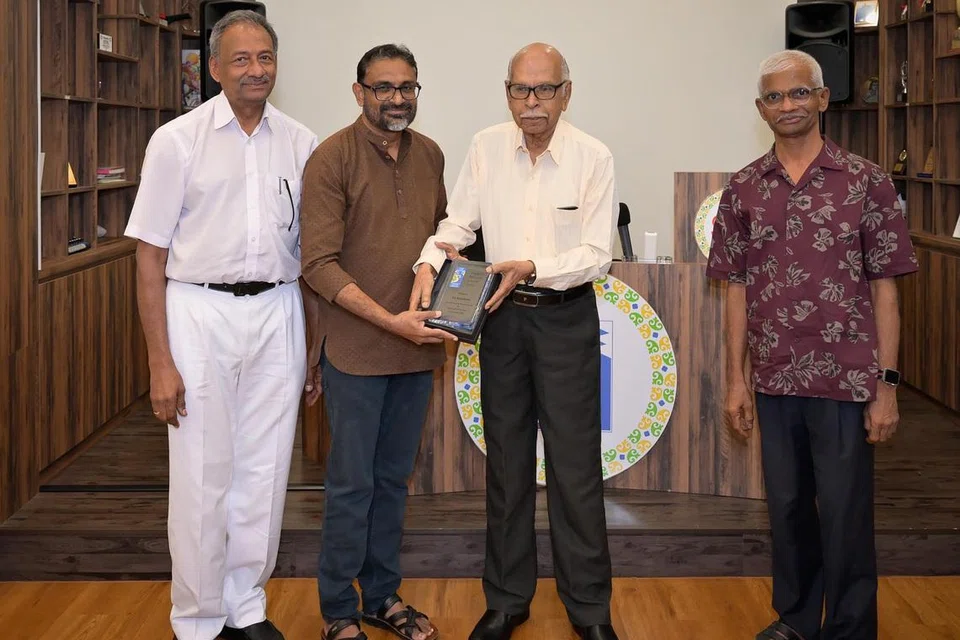
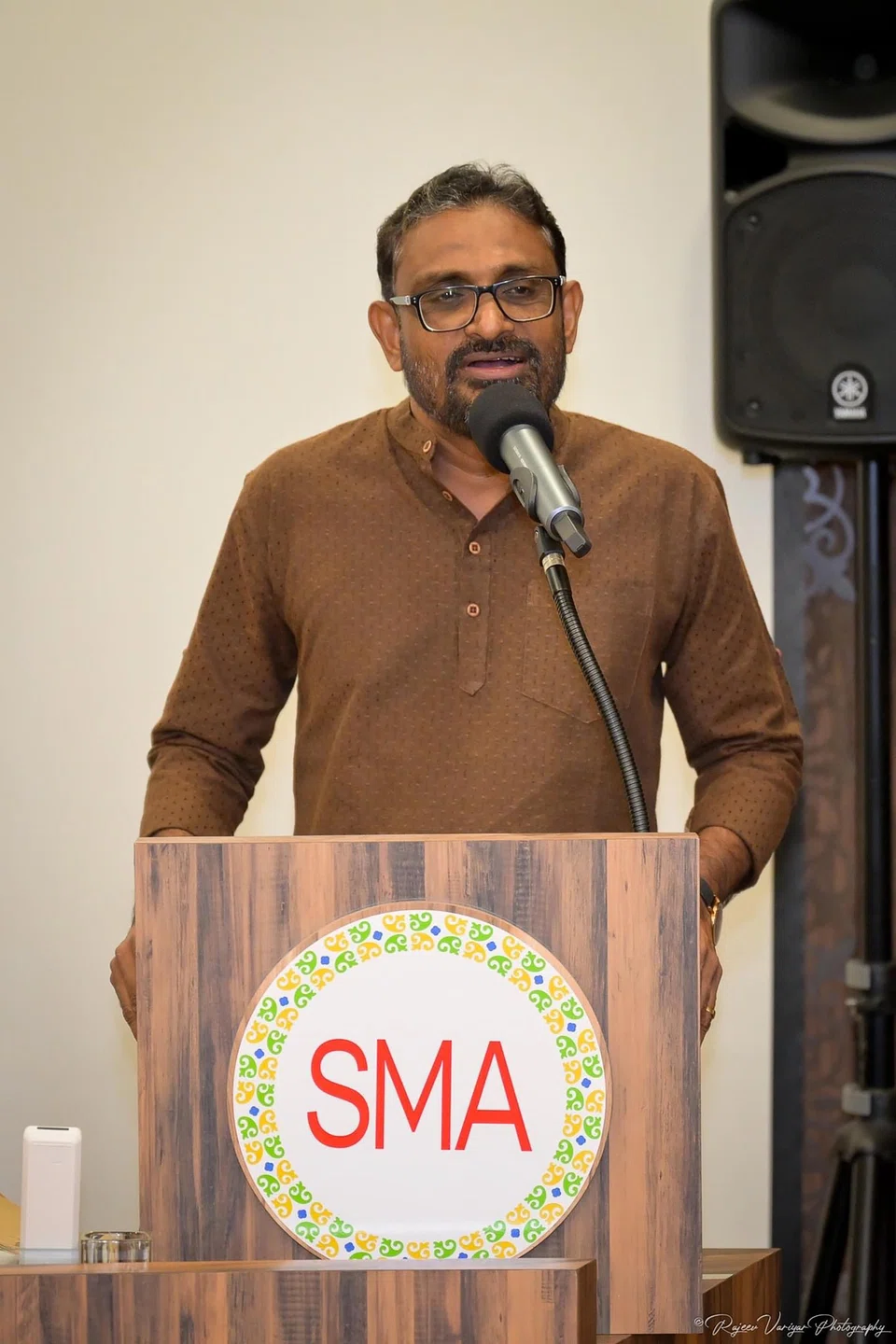
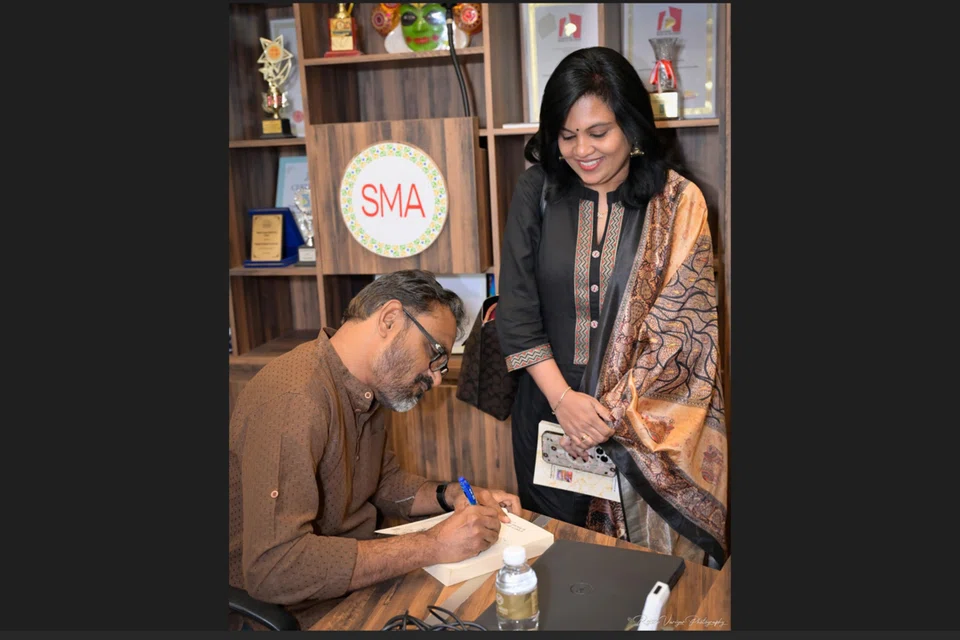
“My intention was only to bring out the sufferings of people who are unable to voice them out,” said Daniels, 53, who goes by the pen name Benyamin, during a visit to Singapore last week.
“I want to resonate their sounds through my stories. There are so many people around the globe who have their own pains, struggles and issues. I just want to portray those in a meaningful way.”
Benyamin met Najeeb in Bahrain 10 years after the migrant worker’s ordeal. It took the writer more than a year to coax out the real-life survival story from the Kerala fisherman, who had gone to the Gulf seeking better prospects.
Najeeb’s heartbreaking tale of being forced to lead a life “lower than that of a goat” instantly hooked Benyamin, who also hails from Kerala and has a fascination for depicting the stories of lonely migrants.
Stark and dramatic elements from Najeeb’s painful solitude is visible on every page of Benyamin’s 43-chapter book.
“I worked in the Gulf for 21 years and I met so many people who were suffering,” said Benyamin, who has authored about 30 books in various genres.
“As a storyteller, I believe it is my duty to tell the world about such people. I met Najeeb accidentally and I learnt from him what he suffered in the desert. It was so touching and I knew I had to write the story.”
Benyamin added fictional elements to the real-life saga to make the book more lively.
“It is not a biography or autobiography,” said the author. “I put my own vision, my own pain, my own fear... in the novel... to add to the flavour. Not surprisingly, it resonated with many people around the world and India, including techies in Bengaluru who said they are also suffering in glass and concrete prisons.”
The book, published in 2008, has sold more than 270,000 copies and is on the syllabus of universities across India. The English version, Goat Days, was published in 2013 and has been translated into nine languages.
It took 16 years to complete the film. Benyamin said it was because “Malayalam is a small language”.
“The budget to do a film is so high and we needed a producer. Moreover, we wanted a dedicated actor who could lose weight for the role (lead actor Prithviraj Sukumaran actually shed 31kg).
“We went through so many problems, including not getting approval to shoot in any of the Gulf countries. So we went to Jordan.”
Eventually, the crew recreated Najeeb’s West Asian sandy solitary confinement in the Wadi Rum desert in Jordan and in the depths of the Sahara desert in Algeria.
Though Benyamin never named the country where Najeeb’s torture unfolded, the book was banned in Saudi Arabia and the United Arab Emirates.
Filmmaker Blessy Ipe Thomas, widely known as Blessy, came out with The Goat Life in March, and the film became one of the highest-grossing works in Malayalam cinema and won several top honours at the Kerala State Film Awards, including best director, best adapted screenplay and best actor.
Though he doesn’t have a formal screenplay credit, Benyamin, who leads a simple life in Kerala’s Pandalam municipality, said he was closely associated with the film from start to finish, adding that Blessy and the actors frequently looked to him for clarifications and suggestions.
“It is my movie too. It’s not that I just gave them the story and left,” he said. “Blessy has captured the essence of the book, as not all 43 chapters can be shown in the film.
“What the film has done is make people aware that some people are doing bad things to others and that must be stopped. The movie is a social eye-opener.”