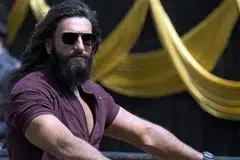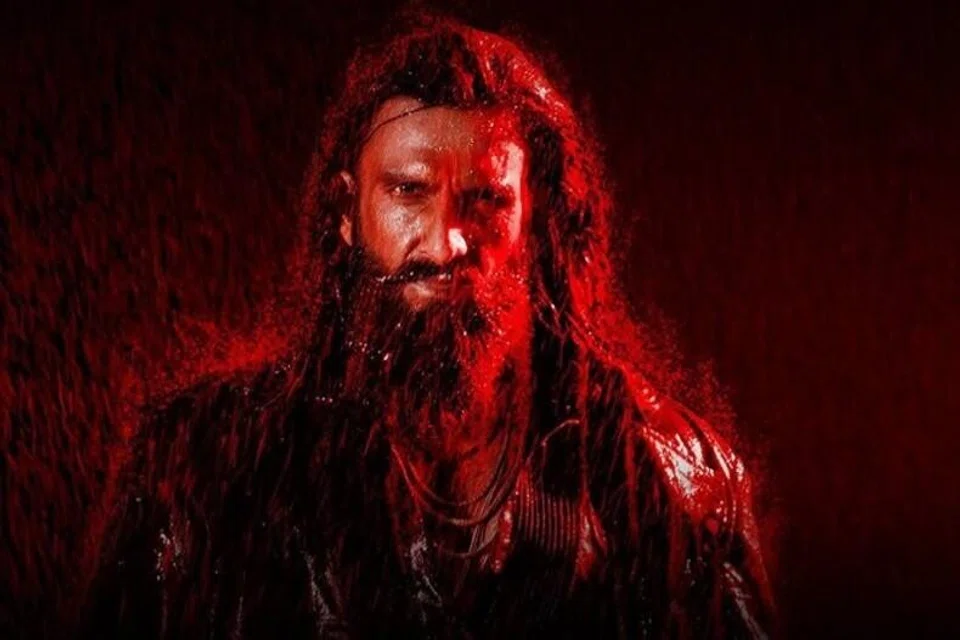

Dhurandhar 2: The Revenge is in cinemas, and true to expectation, the blood-soaked espionage epic has already sent shockwaves through the box office.
Its dominance has been such that rival production houses have shifted their release dates to avoid a direct clash. Judging by the rapid sell-outs across cinemas, it is evident that few, if any, can compete for attention right now.
Undercover, leonine spy Hamza Ali Mazari returns, and as the title suggests, his mission is one of revenge. In this sequel, Hamza is given a deeper backstory that explains the rage that defines him as a killer – we see how his original identity as Jaskirat Singh Rangi and the brutal trauma inflicted on his family shaped his transformation into a relentless covert operative.
He effortlessly climbs the rungs of Lyari’s political world, a little too effortlessly through the course of the film, and becomes what R Madhavan’s character calls him – “a killing machine.”
Director-writer-producer Aditya Dhar’s vision, coupled with the performances of his stellar ensemble cast, reflects in the numbers the action-thriller continues to post, maintaining a strong hold on both weekday and weekend ticket sales.
The commercial juggernaut has surpassed S$136 million in global revenue within just one week since its release.
Yet, while audiences are flocking to theatres in droves, critics’ reactions have been noticeably mixed. International critics have been less enthusiastic, labelling the film’s tone as overly nationalistic and, at times, jingoistic.
Political commentator Dhruv Rathee took to X to call out Dhar, suggesting the film is a vehicle for political signalling, veering into Bharatiya Janata Party propaganda. “Now everyone will see it. It was subtle in the previous film, but he went so blatant this time,” he said.
On Rotten Tomatoes, critics have openly called the film “sociopathic”, with one noting that “the sycophancy on display borders on pathetic.”
Among the Indian hoi polloi, however, the conversation looks somewhat different. On social media, several viewers have gone as far as calling the film a “masterpiece”, with phrases like “peak detailing” frequently used to describe the film’s likeness to real-life events.
One user conjectured that these are paid reviews to continue fanning the flames of this film’s popularity because The Revenge is apparently, very obviously, inferior to Dhurandhar.
The film was clearly rushed in production, and it shows. In one sequence, a cameraman can be seen in a mirror, and in other scenes, there was inconsistent sound design atop other technical glitches.
A number of viewers pointed out that the film’s four-hour runtime was excessive, with some arguing that certain plot threads could have been tighter or trimmed to improve overall flow.
Others compared it unfavourably to the far superior Dhurandhar, which felt fresh and gripping while The Revenge leaned too heavily on Hindutva propaganda.
In fact, within this gore-fest, you will also see a ‘cameo’ by Indian Prime Minister Narendra Modi – a plot device that makes a pointed, ‘wink-wink’ nod to real-world events.
Regardless of its flaws, the film is going strong and is on track to challenge the top grossers – including Dangal, Jawan, and Pathaan. However, how the film’s legacy will unfold in the annals of Indian cinema is yet to be determined.