
Her films are often described as controversial or provocative. At age 73, Oscar-nominated director and screenwriter Deepa Mehta does not really care what box you put her in.
“When you make a film, obviously, you’d like your film to be well-received, but my father told me to remember two things in life: first, you will never know when you’re going to die. The second is, you’ll never know how a film is received,” Ms Deepa said.
“If you remember that and don’t have any expectations, you will be a good filmmaker,” she added.
Her most notable works include the Oscar-nominated Water (2005), the final instalment of her Elements trilogy alongside Fire (1996) and Earth (1998).
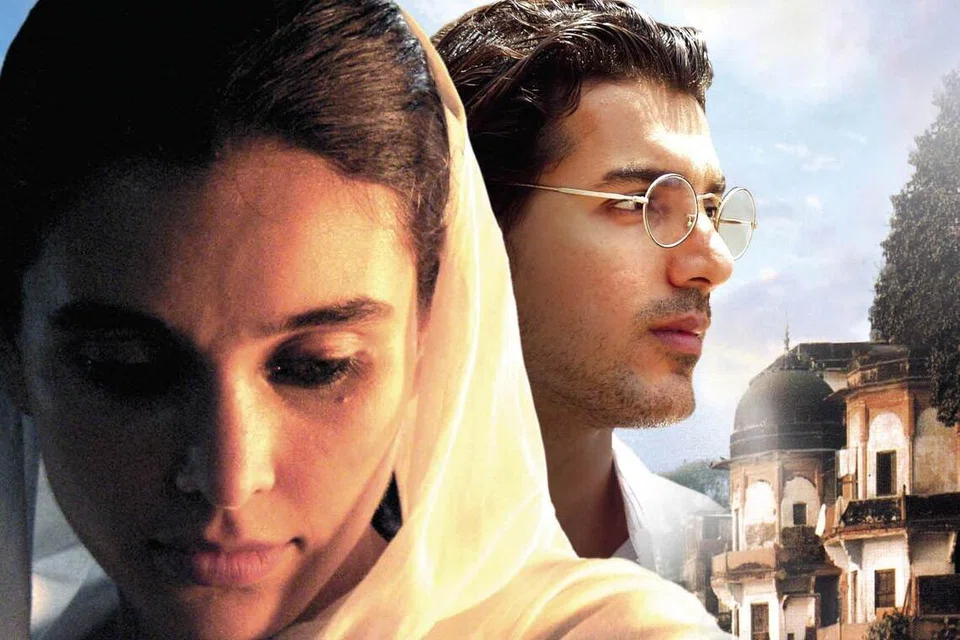
The three films portray socially contentious themes, from homosexuality and religious tensions during Partition to the mistreatment of widows in rural India.
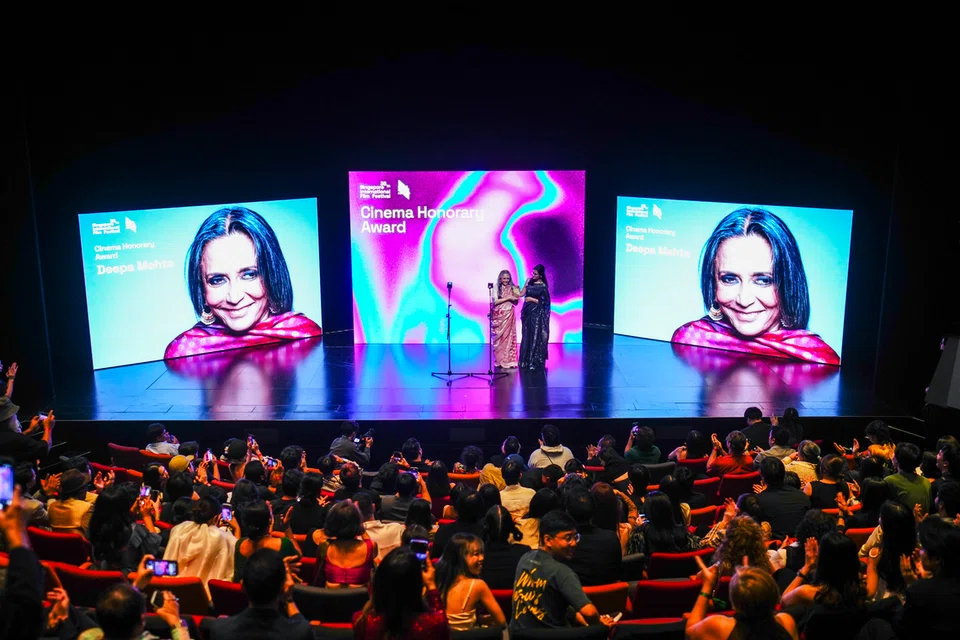
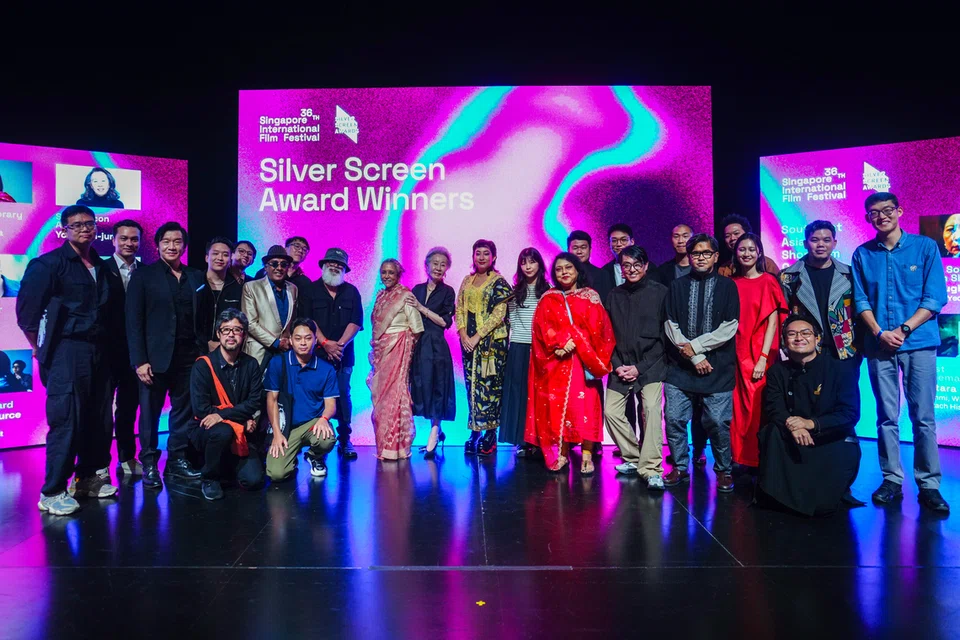
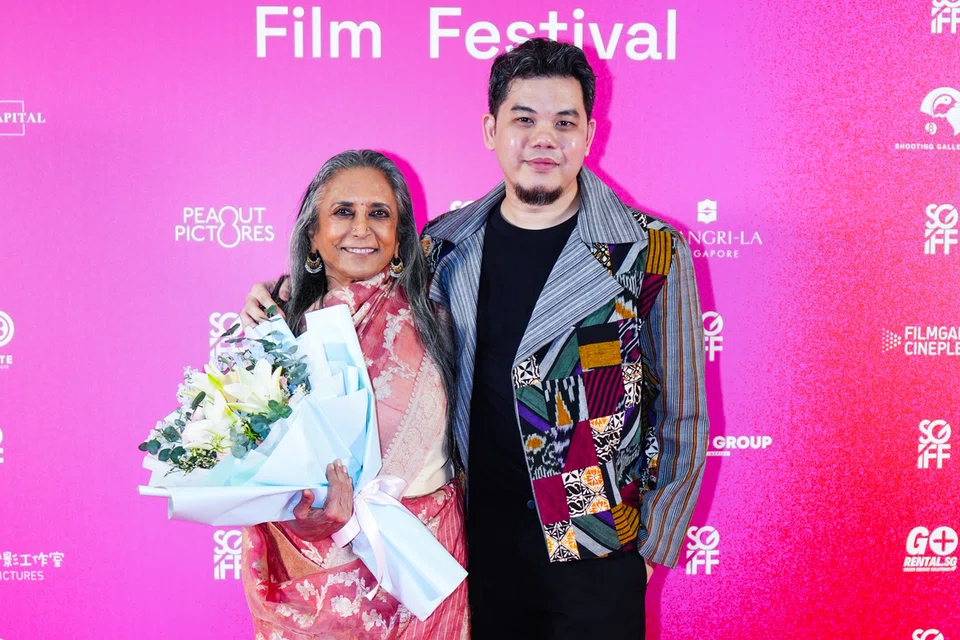
These films were recently screened at the 36th Singapore International Film Festival (SGIFF), which ran from Nov 26 to Dec 7. The 12-day festival closed with the Silver Screen Awards, where Ms Deepa was honoured with SGIFF’s highest accolade: the Cinema Honorary Award.
The award recognises filmmakers who have made exceptional and enduring contributions to Asian cinema, and Ms Deepa is the first woman recipient since its introduction in 2014.
“To be an Indian woman and to represent women in film. I’m very proud of that,” Ms Deepa said.
After spending her childhood watching films across the silver screen in her father’s cinema hall in Amritsar, Punjab, Ms Deepa’s filmmaking career would take root in the most unlikely of places: a wheat field.
Deterred by the film industry’s volatility, Ms Deepa chose to pursue an undergraduate degree in philosophy at the University of Delhi instead.
“My father was very anxious on Fridays, because it really mattered to him if the film had done well financially during the week. The last thing I wanted to do was be a filmmaker, because I associated films with my father’s moods on Friday,” Ms Deepa said.
She studied philosophy out of curiosity and applied for a master’s programme at her alma mater to further satiate her desire to learn.
While waiting for school to start, she was approached by a few friends who owned a small studio based in Old Delhi, called Cinema Workshop, that produced documentary shorts.
She had nothing to do in the interim, and they needed a part-time receptionist who could answer the phone. This arrangement only lasted for two days as Deepa was soon told: “You’re fired because you have a terrible way of answering the phone, and you’re incredibly impatient, so everyone’s complained about it.”
However, the studio’s owner, Mr Anil Srivastava, asked her to stay behind to learn the ropes of filmmaking. Under his supervision, Ms Deepa learned how to operate a 16mm camera, record location sound, and edit on a Steenback (an analog flatbed film editing table).
“I didn’t go to film school. I learned just by mistake because I was not good on the phone,” Ms Deepa said. It was at that moment that she decided to forgo her master’s education and pursue cinema.
The studio did films for the Ministry of Agriculture in Delhi, and so her first directorial stint involved filming a three-minute video on how wheat grows.
“What am I going to do?” Ms Deepa recalled, adding that “wheat takes nine months to grow.”
When she reached the farmyard, she found herself drawn to the farmer sitting on his charpai, smoking a hookah, and looking at his fields. The video was then shot from the farmer’s viewpoint, opening with a wide shot of him alone, seated in the middle of the field.
“That really brought me into interpretation of what’s asked of you, because I felt the only way I could see for three minutes wheat growing was to focus the camera on the farmer. What was he going through? Was he bored?” Ms Deepa explained.
Framing the narrative through the perspectives of ordinary people and children has since become a recurring trait across Ms Deepa’s more prominent films.
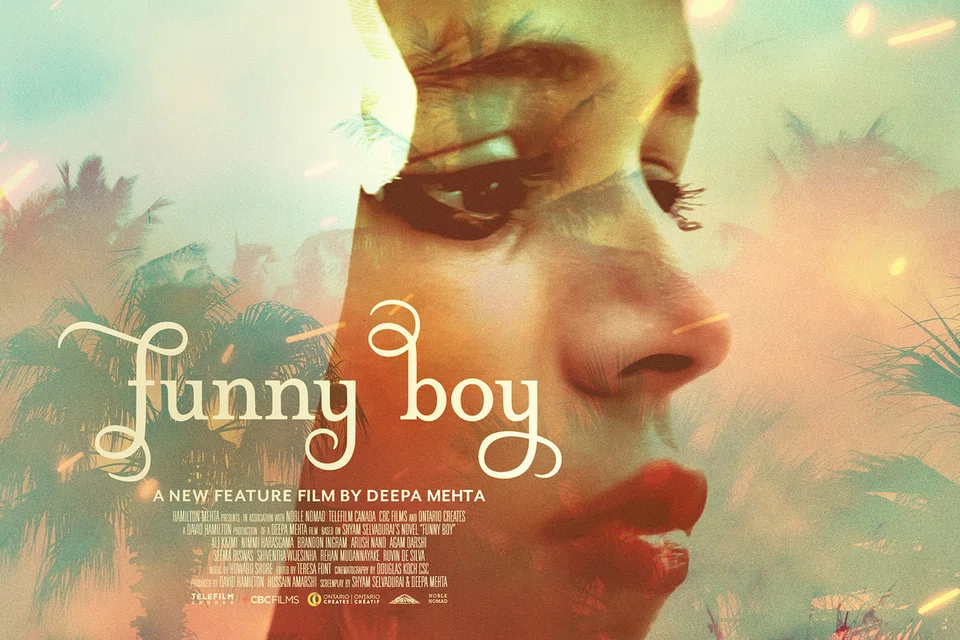
One example is the 2020 coming-of-age dramatic film, Funny Boy, directed and co-written by Ms Deepa, which tells the tale of Arjie as he navigates his adolescence and homosexuality amidst escalating racial tensions leading up to the Sri Lankan civil war in 1983.
“Some of my films are from the children’s point of view because I think that they are non-judgmental. Whatever they feel, they say. As we grow up, we are taught to keep quiet, how to deceive, how to placate others, but children don’t have that,” she explained.
This year’s SGIFF lineup also leaned into more women-centric films, echoing audience demand for more of such stories. When asked if this observation is true, Ms Deepa replied: “I don’t know if it is. But if it is, how wonderful! It’s a bit late, but it’ll just become more and more important, I think.”