
Fifty years is an important milestone for any literary organisation. Yet the true significance of a golden jubilee lies not merely in celebrating past achievements, but in showing how it intends to remain relevant to future generations.
The Association of Singapore Tamil Writers (ASTW) did both, during its 50th anniversary celebrations on November 14 and 15, 2026 at the National Library.
Day One honoured the pioneers. Guest of Honour Dinesh Vasu Dash, Minister of State for Culture, Community and Youth and Manpower and Mayor of South East District, recognised veteran writers who have sustained the association since 1976, including literary pioneer Dr Suba Thinnappan.
ASTW Chairman K S Muthu Manickam said the association will continue to evolve in keeping with Singapore’s national values, while remaining committed to inclusiveness, creativity and nurturing Tamil as a vibrant, living language.
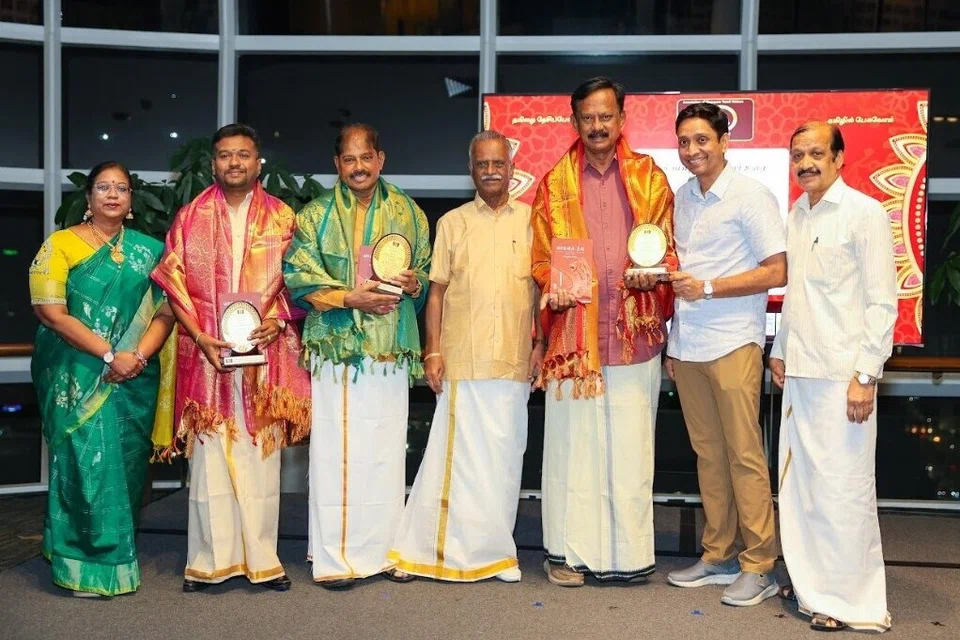
Veteran scholar Suba Thinnappan, 91, who chaired the opening, drew upon Sangam literature to explain the significance of a golden jubilee. That spirit was felt when Naa Aandeappan, 81, who has served the association for 35 years, spoke emotionally about its early challenges, while emphasising the need to nurture young writers.
Guest speaker Dr Ku Prakash, also known as Ilakkiyapiththan, thanked his parents, who had travelled from Tamil Nadu, for nurturing his love for Tamil.
Guest speaker Bharathi Krishnakumar discussed the richness of spoken Tamil. He invited the audience to repeat “Tamil” showing how pronunciation of words in Tamil involves tongue, lips, vocal mechanisms and breathing.
Poet Thangam Murthy, a participant in ASTW’s 40th anniversary, addressed the association’s ability to adapt, embracing new language trends, creativity, and technology for younger generations, while keeping its literary purpose intact.
Day Two showed where ASTW is heading. It opened with ‘Karutharangam’ (Symposium) on Human Values in Tamil Literature, chaired by Bharathi Krishnakumar, followed by ‘Kaviyarangam’ (Poetry Symbosium) led by Mr. Pichinikkadu Elango, veteran Tamil poet and Editor of ‘Makkal Manam’, a Tamil monthly in Singapore.
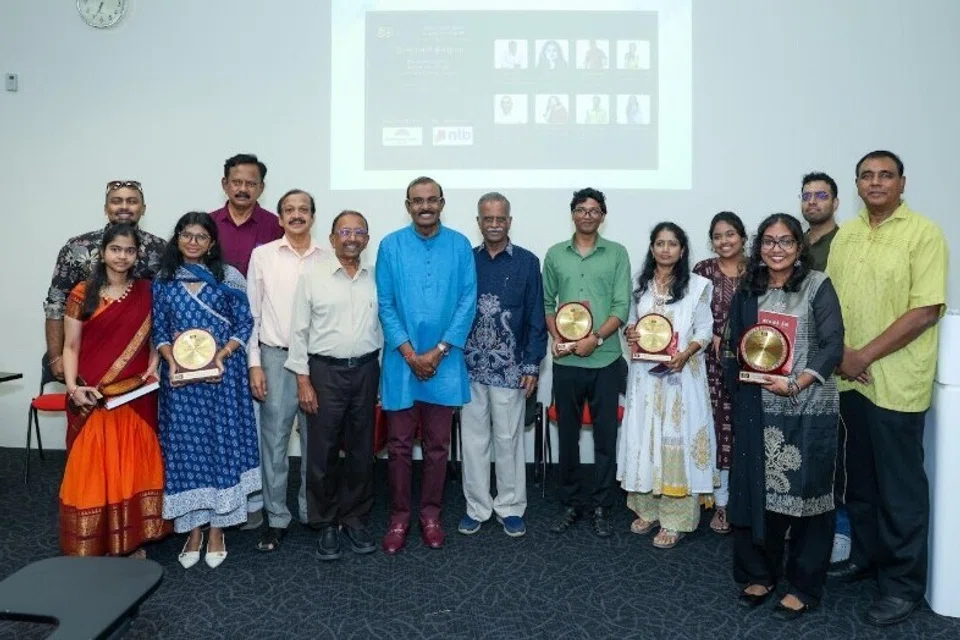
Two programmes stood out: a literary debate that embraced wisdom from beyond one language, and a short-film forum that opened new avenues for young talent.
The pattimandram asked: “Do we read literature for enjoyment, or to follow its teachings in life?” Both teams argued through quotations, humour and Tamil film songs, keeping the audience entertained.
One interesting contribution came from one of the speakers, who drew upon the poetry of Wali Muhammad Wali (1667-1707), an influential early Urdu poet. His ghazals explored earthly love, spiritual devotion and deeper human emotions.
The speaker argued that literature should not merely be admired for beauty. Readers should reflect upon the values and lessons embedded within it.
The debate was lifted to another level by its moderator and judge, Dr Prakash, popularly known as Ilakkiyapiththan. He highlighted how Tamil literature embraces diverse traditions, yet ultimately conveys universal human values. This openness is meaningful because Tamil literature has a rich tradition of embracing diverse influences.
Buddhist, Jain, Hindu, Islamic and Christian works have contributed to its heritage. Works such as Manimekalai, Sivaka Cintamani, Seerapuranam and Thembavani illustrate this diversity.
The youth forum brought young short-film enthusiasts together to discuss filmmaking and storytelling. Today’s youth communicate through images, dialogue, music and digital media.