At a time when cultural identity often finds itself at odds with globalisation, the Singapore Malayalee Association’s (SMA) Hopes N Light 2026 celebration proved that meaningful conversations can bridge generational divides.
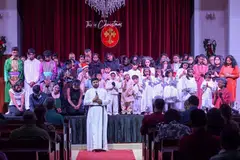
Held at the Civil Services Club at Tessensohn Road on Jan 10, the event welcomed the New Year and marked Christmas through music, dance, and community togetherness.
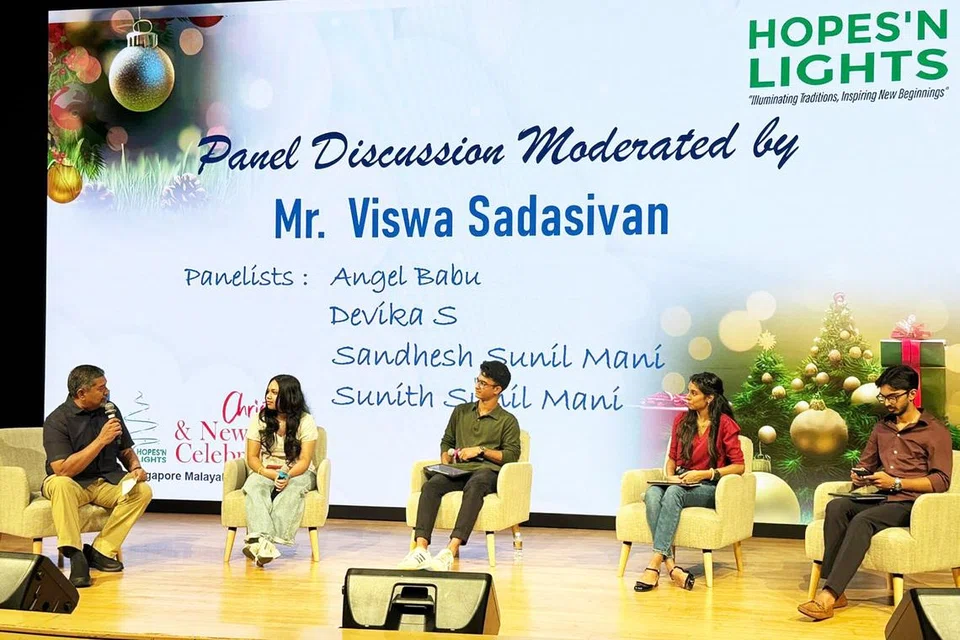
But the highlight was a deeply engaging youth panel discussion that placed the spotlight on the younger generation’s evolving relationship with tradition and heritage.
Moderated by former Nominated Member of Parliament and former SMA president Viswa Sadasivan, the panel featured four articulate Malayalee youths under the age of 25: Sandhesh Mani, a medical student at National University of Singapore (NUS); S. Devika, a bioengineering undergraduate at Nanyang Technological University; Sunith Mani, a mechanical engineering student at NUS; and Angel Babu, a Temasek Polytechnic student in cybersecurity and digital forensics.
The topic – “The Role of Tradition, Culture and Identity in a Globalised World” – could have easily leaned into platitudes. Instead, what emerged was a candid, thought-provoking exchange.
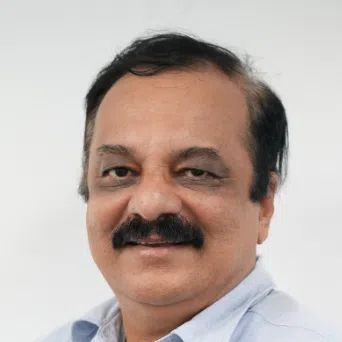
“As someone who has moderated hundreds of panels over four decades, this one stands out,” said Mr Viswa. “The youth spoke with honesty and depth, without being dismissive or entitled. The older audience listened intently – and respectfully – even when they disagreed.”
Three key ideas resonated strongly from the discussion.
First, the youth panellists saw tradition as dynamic, something to be adapted rather than preserved in amber. While they championed modernisation, they also stressed the importance of retaining cultural cores.
Second, the panellists urged a calibrated approach to cultural expectations. “Not all of us speak the mother tongue,” one said, “but that doesn’t mean we are disconnected. Music, stories, food – these are all valid entry points into our culture.”
Third, they emphasised the power of community celebration. Public gatherings, they argued, foster not just cultural awareness but belonging – a sentiment especially important in moments of personal struggle or dislocation.
SMA President Sunu Sivadasan-Ghani affirmed this vision: “Our aspiration is to make youth central to shaping our community’s future. This begins with listening to them – and trusting them.”
The intergenerational exchange was just one part of a programme that also included Margamkali, Oppana, and Thiruvathira dances, carols in Malayalam, and speeches by community leaders and clergy.