

Domestic violence can happen to anyone.
That was the central theme at Casa Raudha’s two-day domestic violence awareness roadshow held at Our Tampines Hub from Jan 24 to 25.
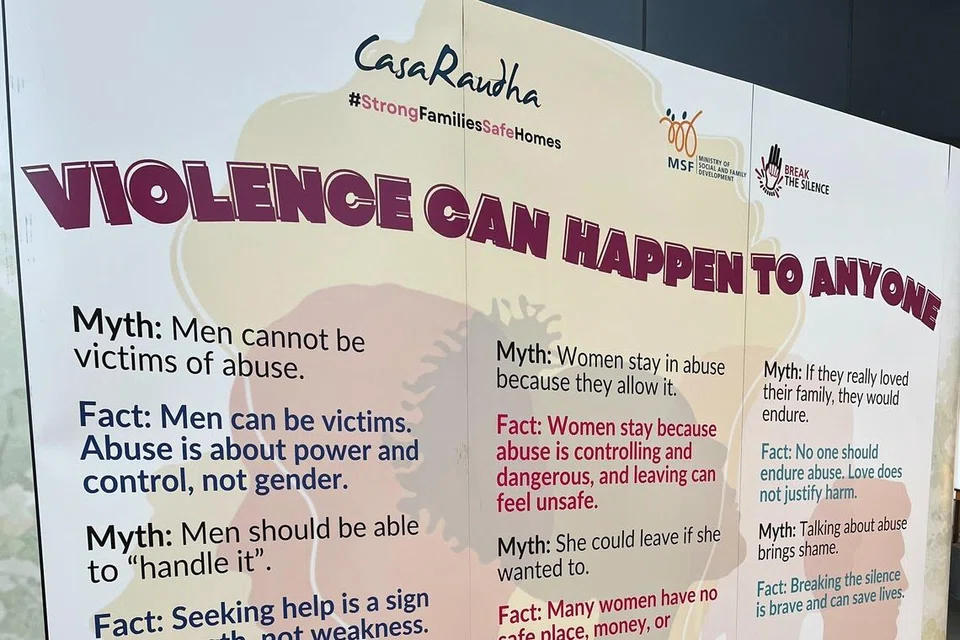
Titled “Strong Families, Safe Homes”, the roadshow featured a panelled exhibition and game booths, which highlighted the common signs and indicators experienced by victims, such as the layered emotions of guilt and shame associated with reporting abuse.
Formed in 2008, Casa Raudha is a social service agency (SSA) that has supported more than 1,700 women and children who are survivors of abuse. The organisation has since expanded its services to support male victims as well.
According to the 2025 Domestic Violence Trends Report, abuse cases with low to high safety and risk concerns to the vulnerable person increased by about 14 per cent from 2023 to 2024. This rise is primarily driven by a rise in child abuse and spousal abuse cases.
The report also stated that the increase in overall cases encouragingly reflects greater awareness and a growing willingness by victim-survivors, their families, and the public to report domestic violence.
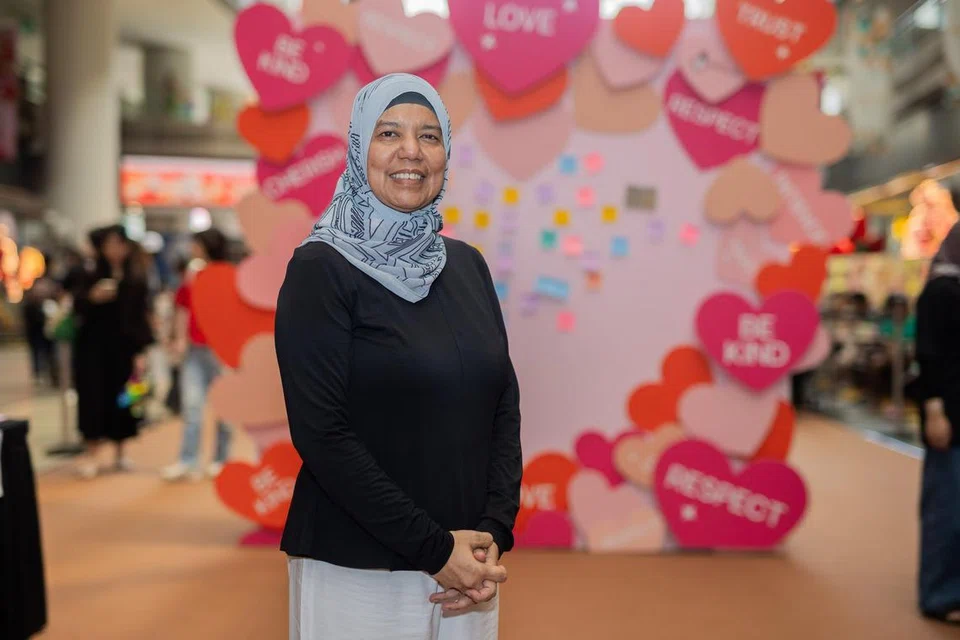
Casa Raudha’s executive director, Zaharah Ariff, told tabla! that a key objective of the exhibition was to raise awareness and empower bystanders to act, fostering shared responsibility for protecting vulnerable individuals.
Close to 2,000 visitors attended the two-day roadshow.
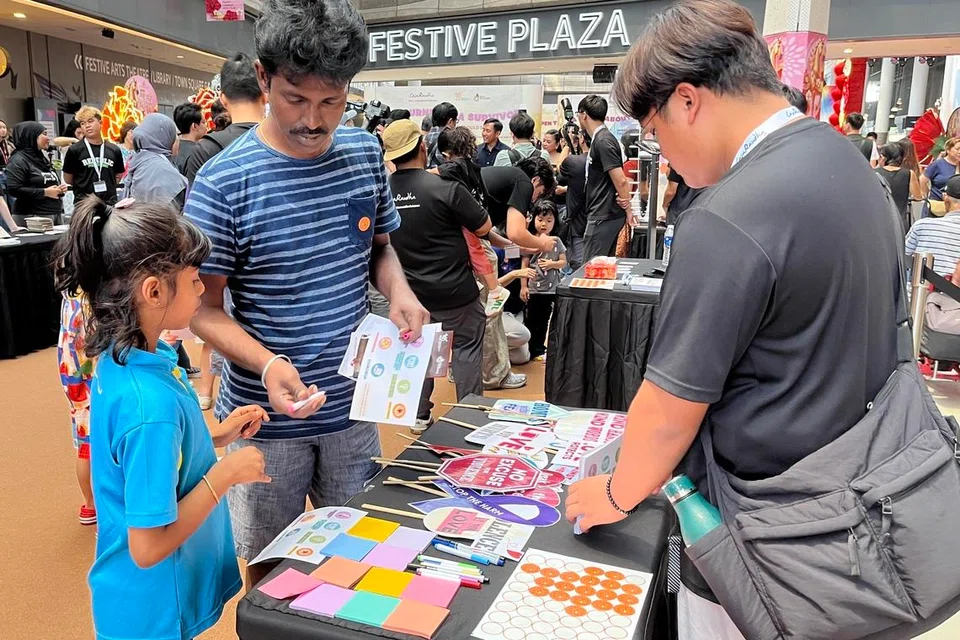
Mr Alangaram Muthuraman, 44, an IT professional, was intrigued by the display panels and explored the exhibition with his 8-year-old daughter after fetching her from a nearby tuition centre. Visitors also received prizes for completing three of the six available game booths.
“It’s a difficult topic to discuss, but the games were easy to follow and made it easier for my daughter to learn more about domestic violence and abuse,” Mr Alangaram said.
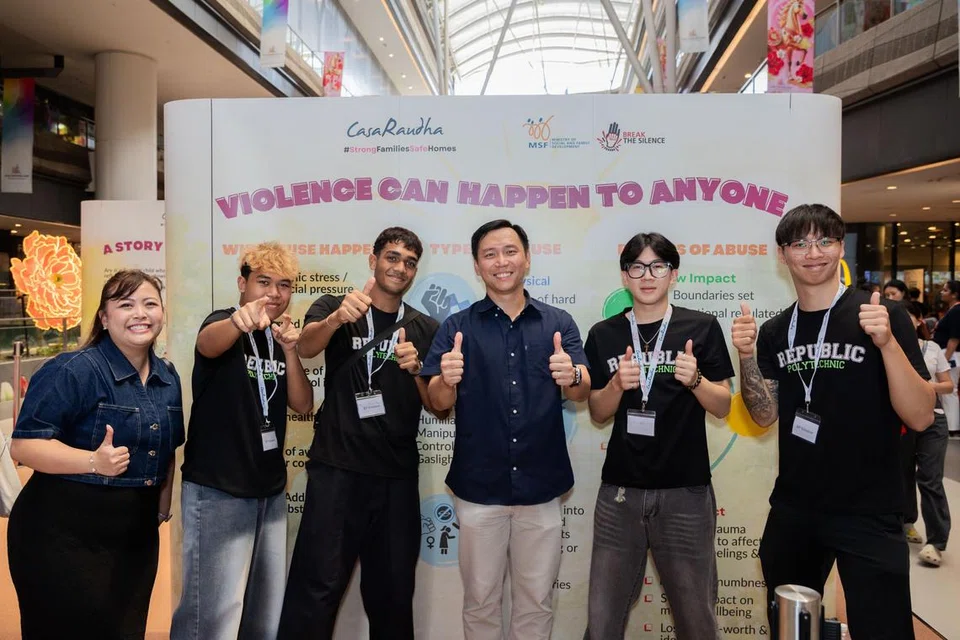
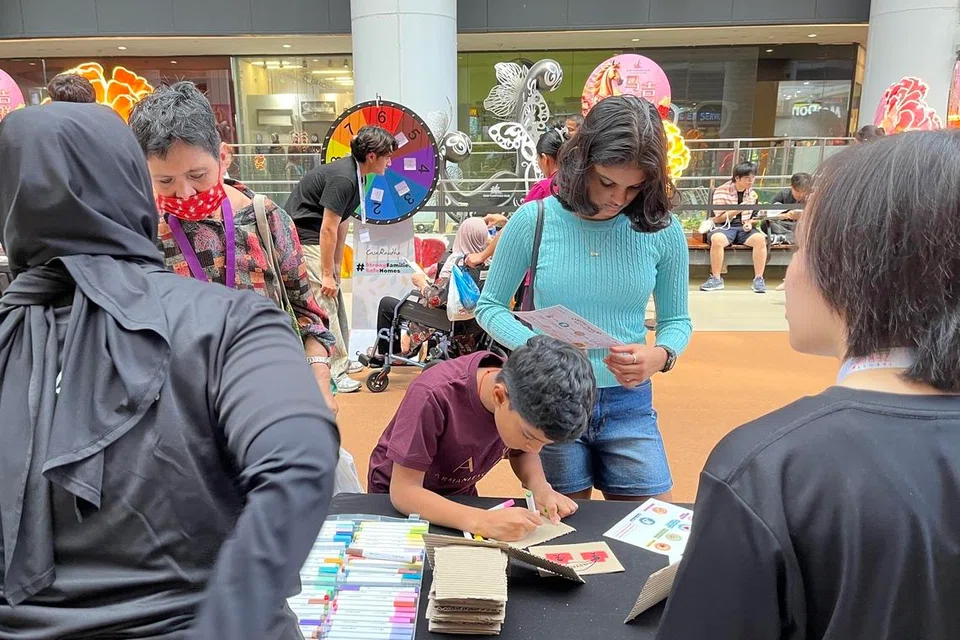
A team of 28 Casa Raudha volunteers and 43 Republic Polytechnic students helped man the exhibition and various game booths. An interactive dating game centred on domestic violence among youth, called “Break Free”, was also on display at the roadshow.
It was co-created by the Ministry of Social and Family Development (MSF) and students from institutes of higher learning as an educational tool to raise awareness of unhealthy and toxic relationships that can escalate into abuse.
“A lot of these things usually happen behind closed doors, so it’s good to have more awareness about these situations,” said Ms Ridhu Soji, 14, who participated in the games alongside her younger brother.
Minister of State for Social and Family Development Goh Pei Ming played “Break Free” during his tour of the exhibition. He was at the roadshow to officially announce the launch of the S$15 million Protection Practitioners Care Fund.
Protection practitioners are regularly exposed to trauma during the course of their work, and face distinctive pressures in dealing with urgent and high-risk cases daily.
Ms Kalajayanthi Jayagomar, 38, a senior social worker at Allkin Singapore, noted that practitioners may also face verbal aggression, hostility, or threats from clients.
“I have personally experienced periods of fear when travelling home after work, following threats made by a client whose spouse I had placed in a crisis shelter,” Ms Kalajayanthi said.
“Even with strong team support, this sustained exposure to trauma and high-stakes decision-making can gradually lead to emotional burnout or compassion fatigue,” she added.
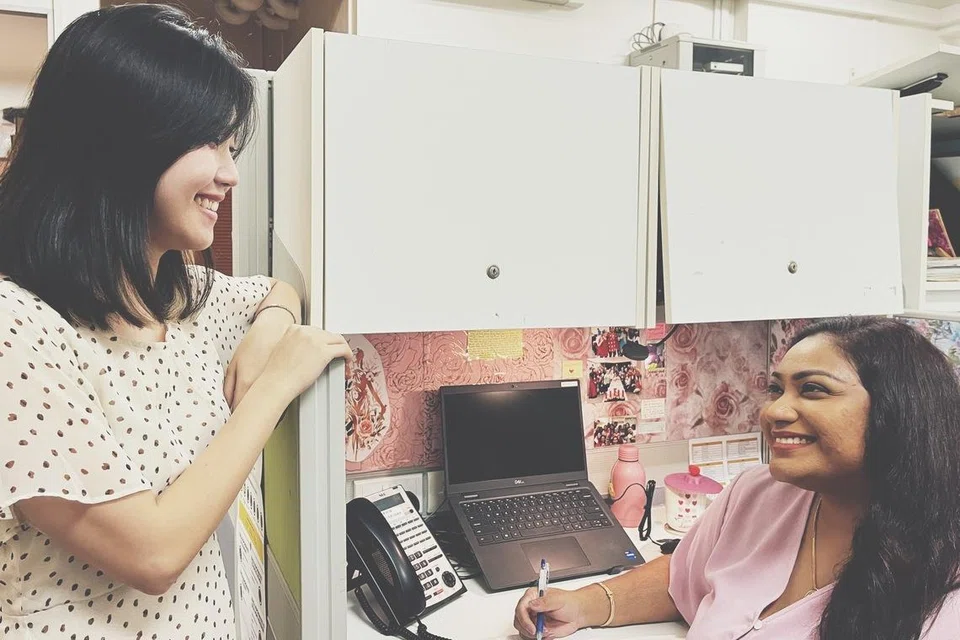
Clients are sometimes assigned to caseworkers of the same ethnicity due to language and cultural considerations. However, understanding family violence within a cultural context adds further complexity, noted Ms Sunitha Gunasekeran, an assistant senior social worker at TRANS Family Services.
“Certain controlling or abusive behaviours may be normalised or minimised within families due to cultural beliefs around marital roles, filial duty, or family honour,” Ms Sunitha said.
“Because of our shared ethnicity, clients may expect us to align with them on their values and cultural beliefs, requiring practitioners to carefully assess risk while navigating potential resistance, denial, or stigma,” she added.
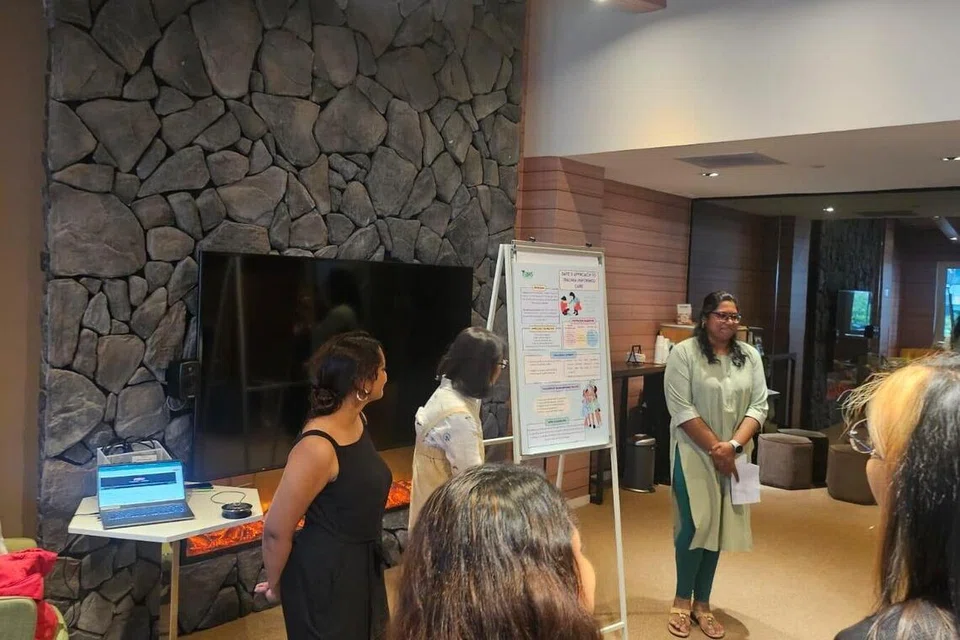
From Feb 1, SSAs can tap on the Care Fund to build more supportive work environments, which is expected to benefit over 1,000 protection practitioners.
These funds can be used to provide psychological support for staff or make alternative manpower arrangements so that caseworkers can take wellness leave to recover and recharge emotionally.
If you or someone you know is in an abusive relationship, seek help by contacting the National Anti-Violence & Sexual Harassment Helpline at 1800-777-0000 or make an online report.