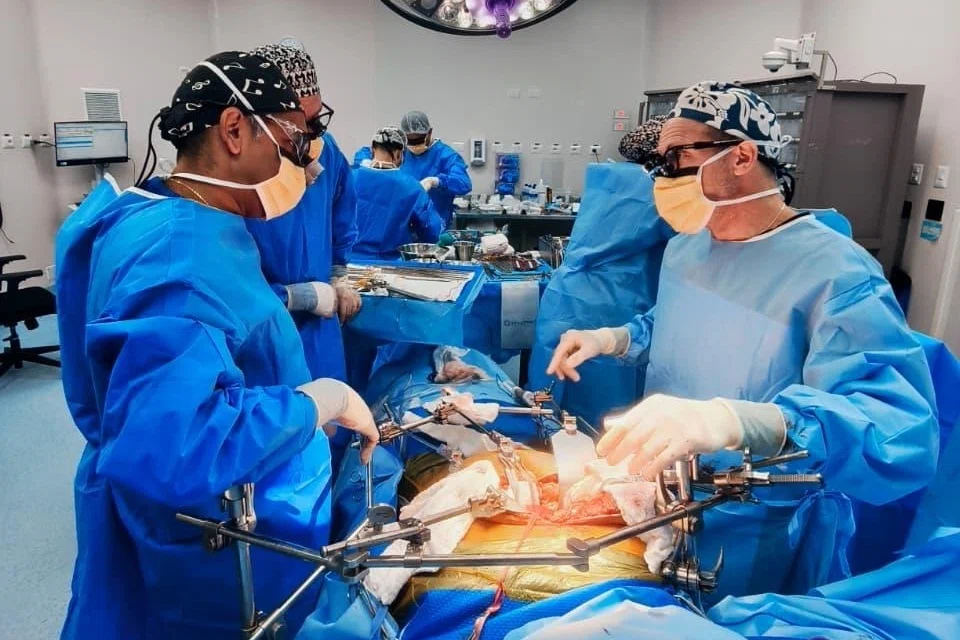
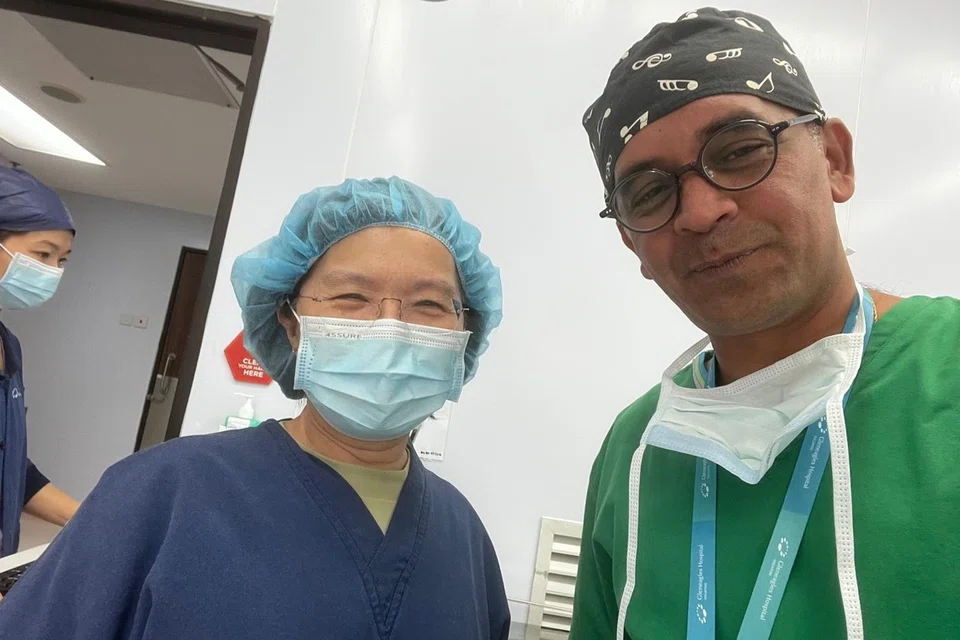
For more than two decades, Singapore surgeon and National University of Singapore (NUS) Associate Professor Glenn Bonney has battled one of medicine’s deadliest diseases. Every week, he performs some of the world’s most complex pancreatic operations, knowing that despite major advances in surgery, many patients will eventually see the cancer return.
Instead of accepting those grim odds, the senior consultant and liver, pancreas and transplant surgeon at PanAsia Surgery Group, under Foundation Healthcare, has spent the past decade searching for a better answer.
Today, that effort has resulted in one of Singapore’s most promising cancer research projects – a next-generation therapeutic vaccine designed to help the body’s own immune system recognise and destroy pancreatic cancer.
The vaccine science, led by NUS’ Associate Professor Le Thi Nguyet Minh, has shown encouraging results in published preclinical studies and is expected to enter first-in-human clinical trials within the next 12 to 18 months.
“Pancreatic cancer is quite difficult to treat,” Dr Bonney told tabla!. “The pancreas is located in such a way that the disease can develop very slowly without you actually knowing you have it. And even when it is detected, the cancer is very good at evading the immune system.”
The research comes at a crucial time for Singapore. Recent international studies have shown the Republic has one of the world’s fastest-rising rates of pancreatic cancer among both men and women. While researchers have yet to identify the exact cause, Dr Bonney believes increasing rates of Type 2 diabetes and fatty pancreas may be contributing factors.
More worrying, he said, is that the rise is occurring across all stages of the disease and cannot simply be attributed to earlier diagnosis through better scans.
Because the pancreas lies deep within the abdomen, symptoms often appear only after the tumour has grown or spread. Unexplained new-onset diabetes, sudden weight loss and rapid jaundice are among the warning signs people should not ignore.
Pancreatic cancer is especially difficult to treat because only about 20 per cent of a tumour consists of cancer cells. The remaining 80 per cent is made up of dense fibrous tissue known as the stroma, which acts as a protective shield, preventing many drugs and immune cells from reaching the cancer.
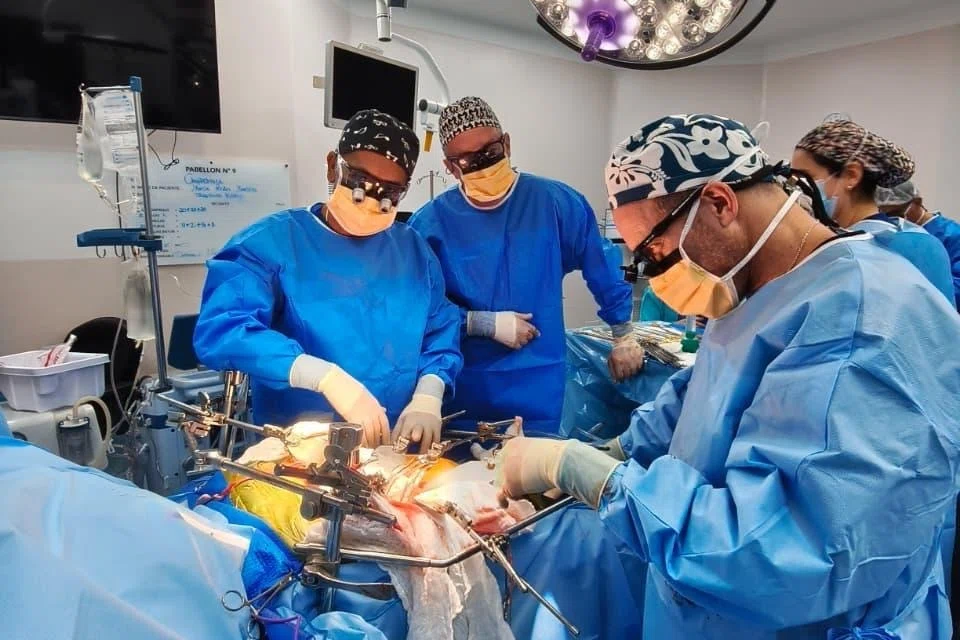
Although keyhole and robotic surgery have transformed patient recovery over the past two decades, with hospital stays reduced from two to three weeks to an average of seven days, long-term survival has changed little. More than half of patients still suffer a recurrence within three years, even after surgery and chemotherapy.
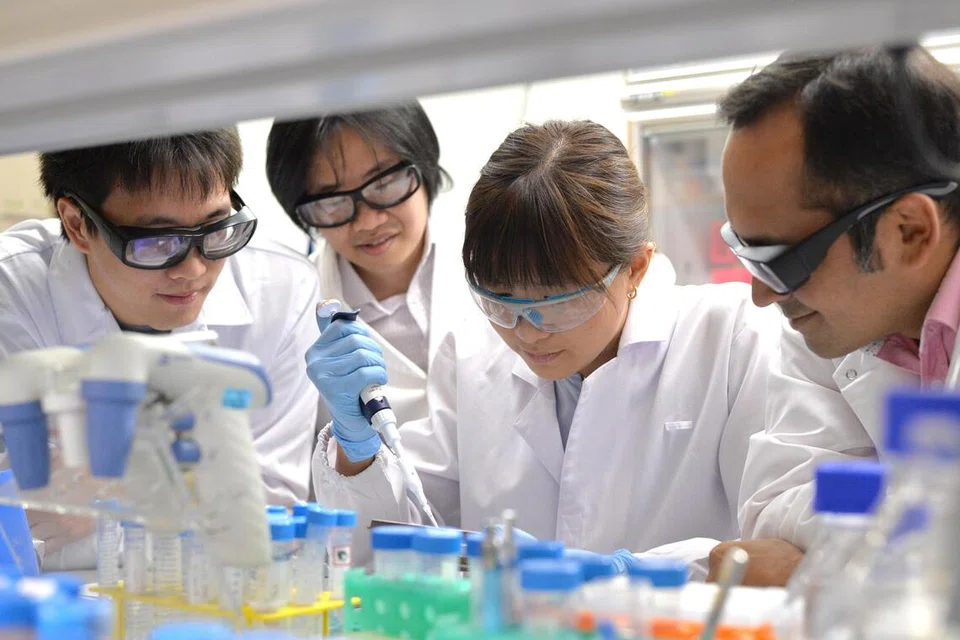
That sobering reality inspired Dr Bonney to move beyond the operating theatre and into the research laboratory. Working alongside A/Prof Le and researchers at NUS, the team developed a therapeutic vaccine that uses microscopic vesicles naturally released from a patient’s own red blood cells.
These tiny biological packages are engineered into what researchers describe as a molecular “Trojan horse”. Once they reach the tumour, they either deliver anti-cancer agents directly into cancer cells or guide the patient’s immune cells to attack the tumour.
“These aren’t vaccines to prevent it,” Dr Bonney explained. “These are vaccines to treat it when present. We do so by harnessing the patient’s own immune system to attack the cancer.”
Laboratory studies have already shown the vaccine can significantly reduce tumour growth while demonstrating an excellent safety profile in non-human primates.
“We expect the first-in-human trials to be in the next 12 to 18 months,” Dr Bonney said, adding that the project has received strong support from institutional and government funding.
While excited by the early findings, he cautioned that the vaccine’s true impact can only be assessed once human trials begin. Even so, he hopes it could one day become a powerful complement to surgery and chemotherapy, offering patients with advanced disease a safer and more effective treatment option and, ultimately, improving the chances of a cure.
A/Prof Le, whose expertise includes extracellular vesicles and drug-delivery technologies, said the collaboration brings together complementary strengths in the search for new pancreatic cancer treatments.
“Together, we hope this technology will bring new therapeutic opportunities to patients with one of the world’s deadliest cancers,” she said.
Behind Dr Bonney’s international medical career lies a remarkable family story rooted in Kerala.
His maternal grandfather left Palakkad as a 19-year-old, travelling by bus to Bombay before boarding a ship to Malaya in search of a better future. He eventually became the manager of a rubber estate in Seremban and later married Dr Bonney’s grandmother from Thiruvananthapuram. His mother went on to become a pioneering professor at the University of Malaya, specialising in plant physiology.
“My grandparents came from India... and their journey from India to Malaysia, and my family’s journey from Malaysia to the UK and now in Singapore is one I’m deeply proud of,” Dr Bonney said. “My mum is Malayalee... I’m deeply proud of my Indian roots.”
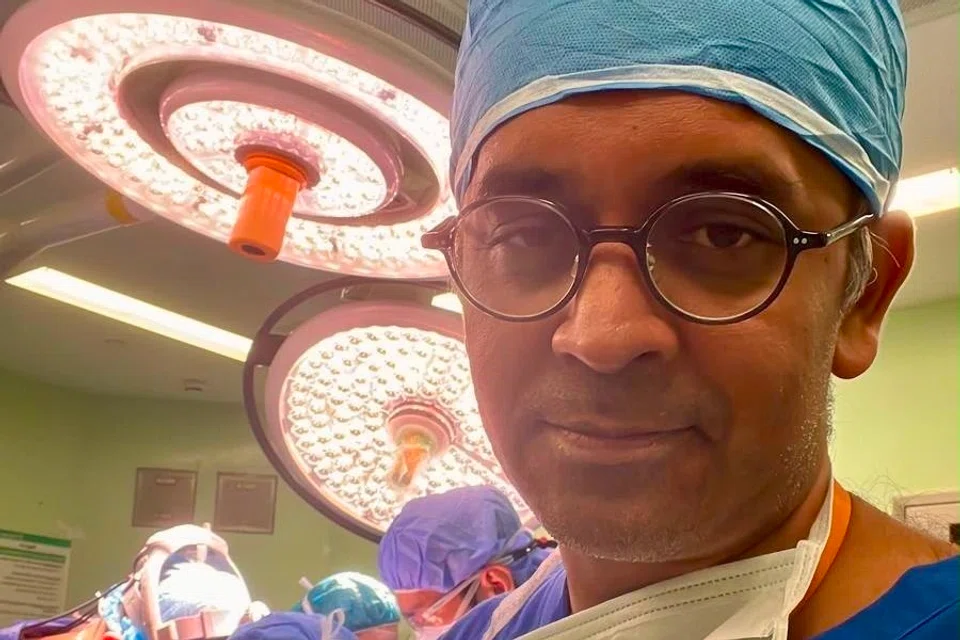
He believes Indians have consistently demonstrated resilience, curiosity and adaptability wherever they have settled. Those values, he said, have shaped both his life and career. His ties with India remain strong, having recently attended a conference of liver and pancreatic surgeons in Bengaluru, with further medical meetings planned in Jaipur and Agra later this year.
Today, Dr Bonney has performed more than 3,000 complex operations, participated in over 500 liver transplants and helped shape international guidelines in liver transplantation and pancreatic cancer. Yet, he believes the pancreatic cancer vaccine may prove to be his most significant contribution.
For patients facing one of the world’s deadliest cancers, a cure may still be some years away. But with researchers in Singapore working to overcome pancreatic cancer’s extraordinary ability to evade the immune system, the project offers an intriguing new direction in the long search for more effective treatments.