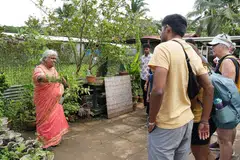

Ganga, Mariamman, Jalkonwar. India has many water guardians and deities, and over 2.4 million water bodies, according to a water census by the Ministry of Jal Shakti.
However, water scarcity and pollution are on the rise, with 342 million people lacking access to safe water in the nation, according to international body water.org. India needs those guardians more than ever.
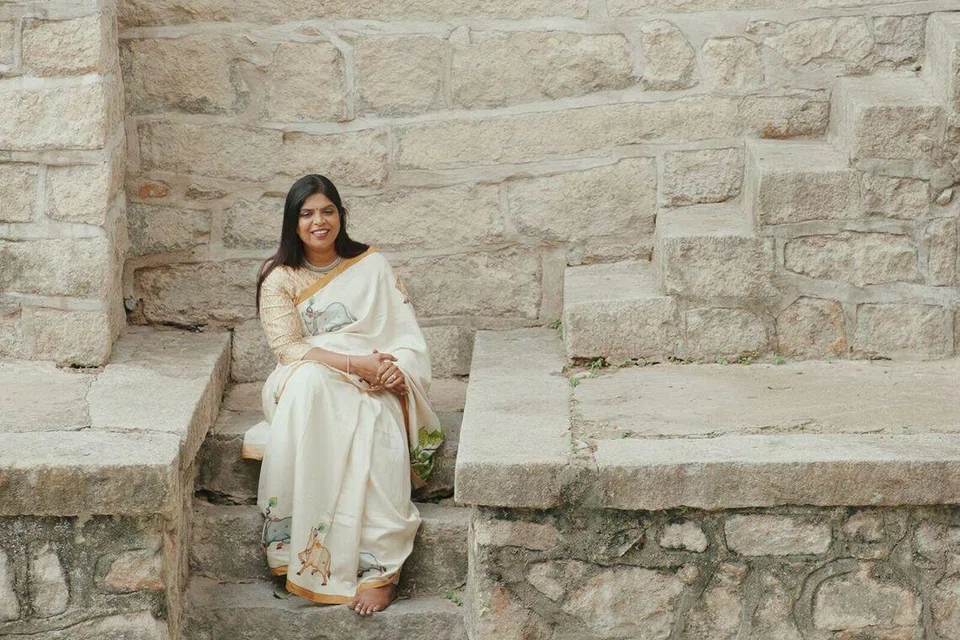
Ms Kalpana Ramesh, a 56-year-old interior designer and architect in Hyderabad, is trying to answer this call.
Ms Kalpana’s persistence in water conservation and rainwater harvesting through her non-governmental organisation, Society for Advancement of Human Endeavour (SAHE), has earned her the title of the “Water Warrior”. Her work has been lauded, with her even being featured on the Prime Minister of India Narendra Modi’s radio programme Mann Ki Baat.
Ms Kalpana did not pursue her education in urban engineering and is formally trained in interior design and architecture. However, she believed that thinking from this angle helps to find a more holistic approach to conservation and restoration.
Her first splash into this realm was by turning her own home water tanker-free.
“Registered tankers take about one to two days to come to homes, so people rely on unregistered tankers, but the quality of the water is not good. I didn’t want that for my family,” she said, “So, I began researching how to do rainwater harvesting, and started on my roof.”
“People have a notion that rains only come in the monsoon, but in India we get rains throughout the year,” she added.
For a 1,000 sq ft (93 sqm) rooftop, up to 100,000 litres of rainwater can be collected in a year, according to Ms Kalpana. She soon convinced her neighbourhood of 100 homes to join her, and collectively they have not bought a single tanker in nearly a decade.
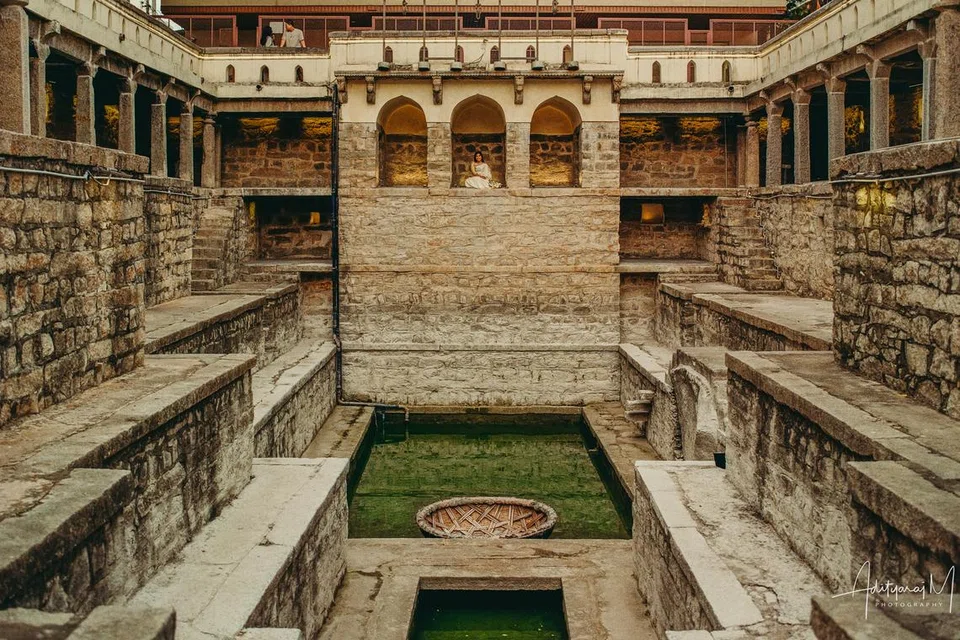
Ms Kalpana and SAHE, working with specialists like hydrologists, are restoring lakes and 30 plus stepwells in the South Indian region, with successes such as the Kudikunta lake and Bansilalpet stepwell.
“Through the years, there were multiple troublemakers who didn’t allow me to work on these projects. They would say, ‘You are a woman, who are you to tell us what to do?’” she said.
“Funnily, anything about water conservation, including rainwater harvesting, the decision in a colony or apartment is only made by men, but the woman is the one who knows when you need water in your house,” she added.
Water and Conservation
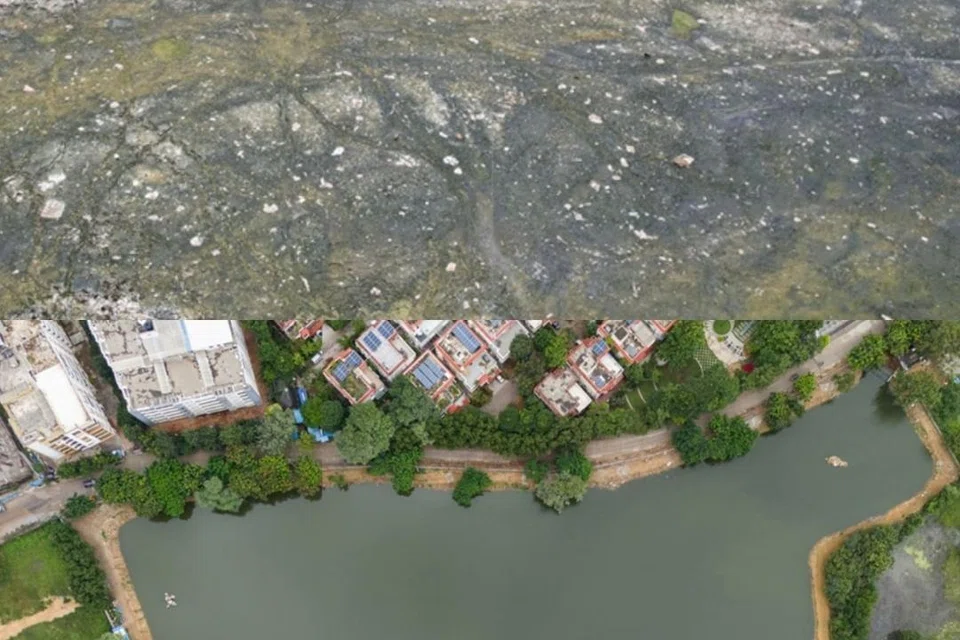
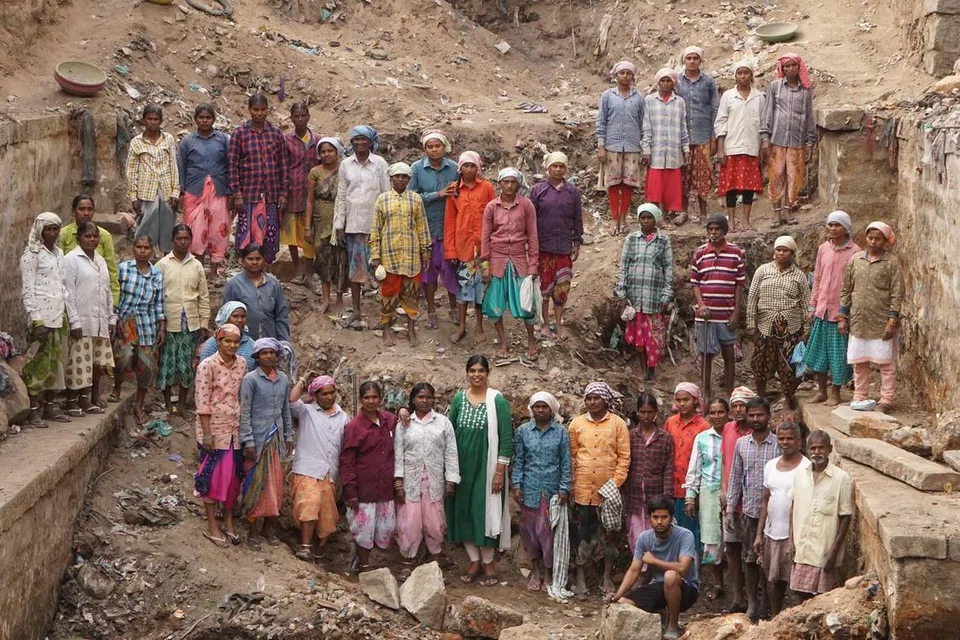
Ms Kalpana hit a major milestone through the restoration of Kudikunta lake - an over 32,000 sqm lake that was filled with toxic sludge and sewage.
After diverting 42 sewage pipes and 200 community engagements, the lake is flourishing with flora and fauna, with locals even fishing for aquatic life, such as murrel.
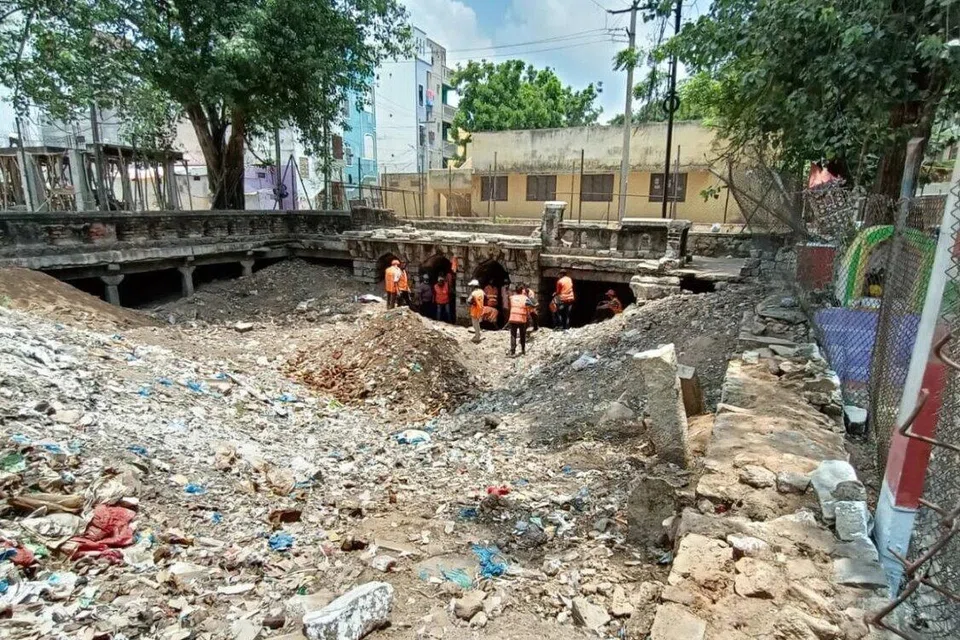
Waterbodies aren’t just lakes and rivers to Ms Kalpana; they also carry heritage. This was one of her main motivations for restoring the Bansilal stepwell.
“It’s so inspiring to look into what the rulers and architects of the past thought about water collection and conservation,” she said.
From a complete dumpyard, the stepwell earns Rs 800,000 or S$10,700 monthly through visitors and cultural activities being held there and has fresh, clean water pooling inside.
“That’s the value of our heritage. The story of water coming back to that stepwell or of clean water now in our lake, clean water in the bore wells,” said Ms Kalpana.
Water and Data Centres
Visakhapatnam, a major coastal city and district in Andhra Pradesh, has been marked as a major developmental hub for South India with companies like Google planning to spend some US$15 billion on building data centres in the region. However, Dalit communities have protested, alleging land-grabbing and worsening water scarcity.
In response, the Water Warrior said that the country must continue to develop, but with compensation.
She suggested that data centre roofs could be used for rainwater harvesting and that up to 100 wells could be protected in the area of the centre. She also mentioned that companies behind them could run nationwide campaigns and projects that are water-positive through corporate social responsibility.
“While maybe a data centre is required in today’s world, we should strike a balance with nature. Even the data centres, the water that you consume and the harm that you are doing to the environment, can you put back that much water?” she asked.
Water and Singapore
Ms Kalpana lived in Singapore for a few years on the cusp of the millennium and was a permanent resident; however, she gave up her residency to stay with her family in India.
“I am always astonished by how a country like Singapore relied so heavily on imported water, and how they were then able to switch to more independent sources,” she said.
Though her conservation efforts did not start in Singapore, she still had a connection through the medium.
“My relationship with water in Singapore was more with the Watercolour Artist Society under Alan Chan,” she said. “I happened to see one of his exhibitions, and I was so enamoured by his, you know, watercolour art. I asked if he would teach me and such, and he said a straight no. But I persevered and made friends with him.”