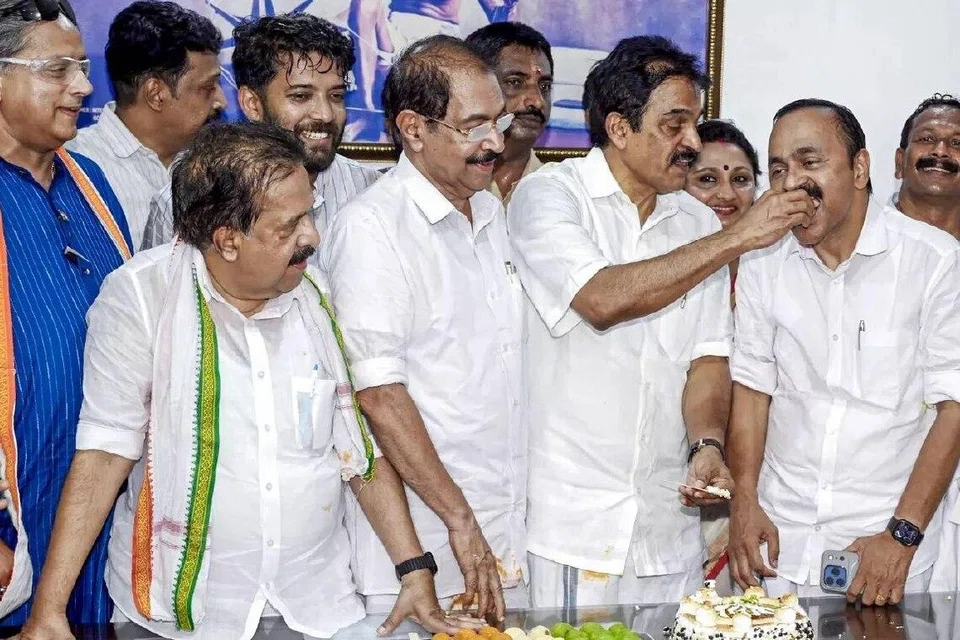

After a decade of rule by the Left Democratic Front (LDF), an exception to the state’s long-standing rhythm of anti-incumbency, voters have once again restored the Congress-led United Democratic Front (UDF) to power with a sweeping mandate of 102 seats in the 140-member Assembly.
The result marked the end of the last remaining Communist-led state government in India, closing a chapter that had long made Kerala an outlier in the country’s political landscape.
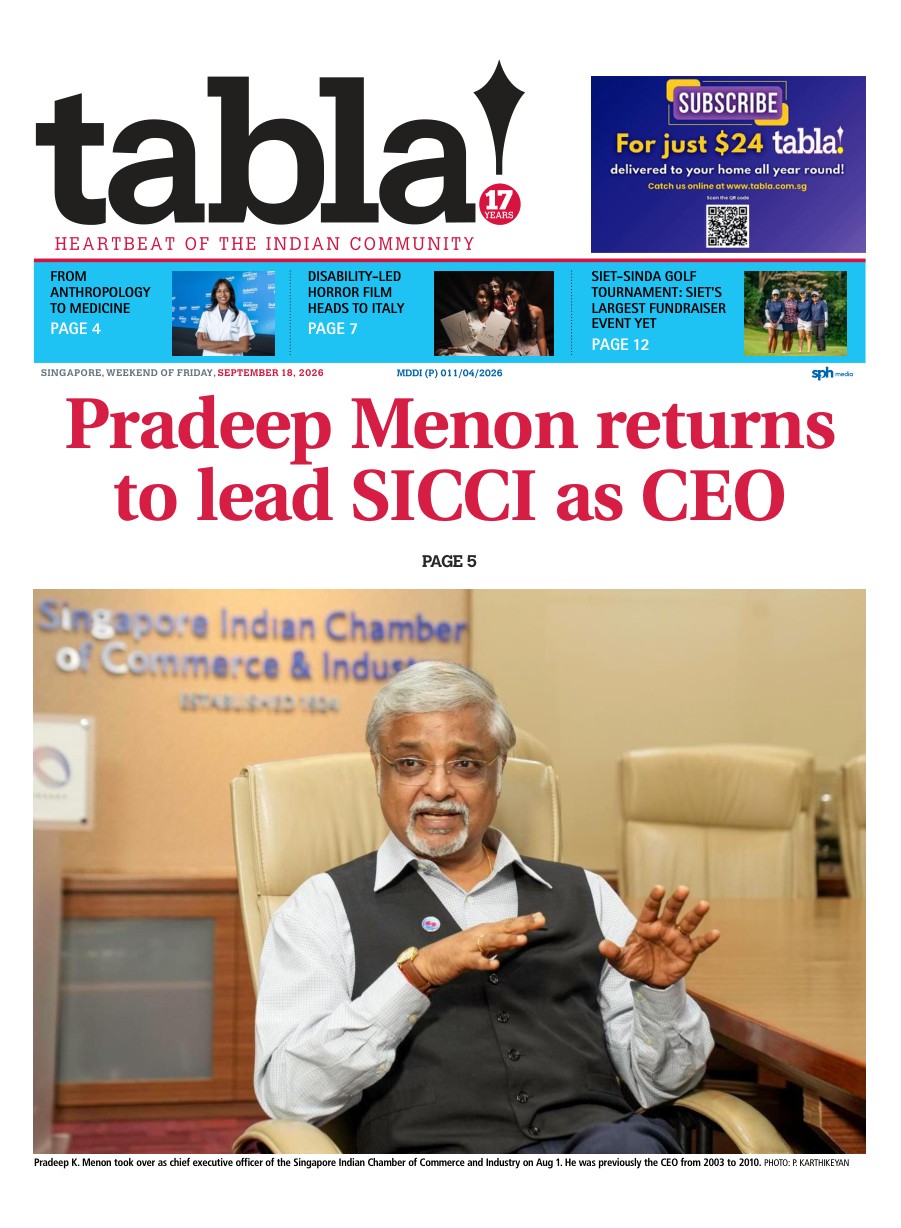
For many in Singapore’s Malayalee community, the recent Kerala election results have sparked a sense of optimism, particularly among those who maintain strong personal, financial, and emotional ties to the state.
Reflecting on the result, filmmaker and community leader Rajeshkumar Gopalakrishnan, 49, observed that the outcome followed a familiar electoral pattern of a back-and-forth swing between the LDF and the UDF.
Although the former had previously broken that trend by securing a consecutive term with 10 years of continued governance under its belt, he felt the alliance was unable to sustain its support this time due to economic concerns.
Kerala’s economy, he noted, relies heavily on foreign remittances, tourism, and industrial development. “Some infrastructure investments were made but they were not sufficient to generate enough local revenue or expand the tax base,” he said.
He also pointed to campaign promises made by the UDF, which included welfare-focused measures such as free bus travel and increased welfare pensions, alongside pledges to improve the investment climate, which brought it to victory.
Managing director Reju Kumar, 54, a Malayalee who has lived in Singapore for nearly three decades, was ecstatic about the prospect of political change after 10 years under the same coalition.
Dissatisfaction with the previous administration was a core reason. The managing director of ETA Shipping Services expressed concerns about an environment influenced by “muscle power”.
This irrevocably impacted the business climate, impairing his ability to take any action regarding property he still owns back home.
In addition to attracting greater investment, he hopes more will be done to improve public safety and tackle drug-related activity and crime more effectively.
Ms Jyothi Nair, 52, concurred, citing corrupt practices such as the alleged mishandling of funds in Kerala’s temples. She hopes the UDF “will be more careful about how they handle matters of religion and caste” as well.
This opinion was juxtaposed with Mr Rajith, who noted a key strength Kerala has: “The corruption level is already very low in Kerala compared to any other Indian state,” suggesting that institutional continuity underpins governance regardless of electoral outcomes.
At the same time, he expressed concerns about the structural challenges incoming government will face. “The treasuries are not in good condition,” he said, underscoring the looming fiscal pressures.
Demographic trends are another concern. “Kerala’s ageing population is growing,” he explained, as younger generations increasingly move abroad for “education or for work”. While remittances help sustain living standards, this creates “imbalance”, placing greater strain on healthcare and social systems.
Despite strong human development indicators, “comparable to any other European countries”, like Mr Rajeshkumar and Mr Reju, Mr Rajith pointed to a persistent “lack of industry”. To address this, he suggested focusing on “service-oriented industries – IT sectors, hospitality and medical tourism” as more viable pathways for growth.
While the UDF has won, Mr Rajith, head of finance and risk technology shared services at UOB, stressed that the LDF remains influential: “They are still strong as a political force,” with a “deep organisational structure in grassroots politics” and continued support in traditional strongholds.
From Singapore, the three interviewees continue to follow developments in India closely, reflecting the strong transnational ties of the Malayalee diaspora.
Upon reflection, Ms Jyothi noted that there is room for improvement in “the attitude of politicians and the broader political environment in India.” Taken together, these perspectives point to hope, albeit measured, for Kerala’s political future, with a new government set to take office soon.