
More often than not, what makes a difference in someone’s life is not one extraordinary act.
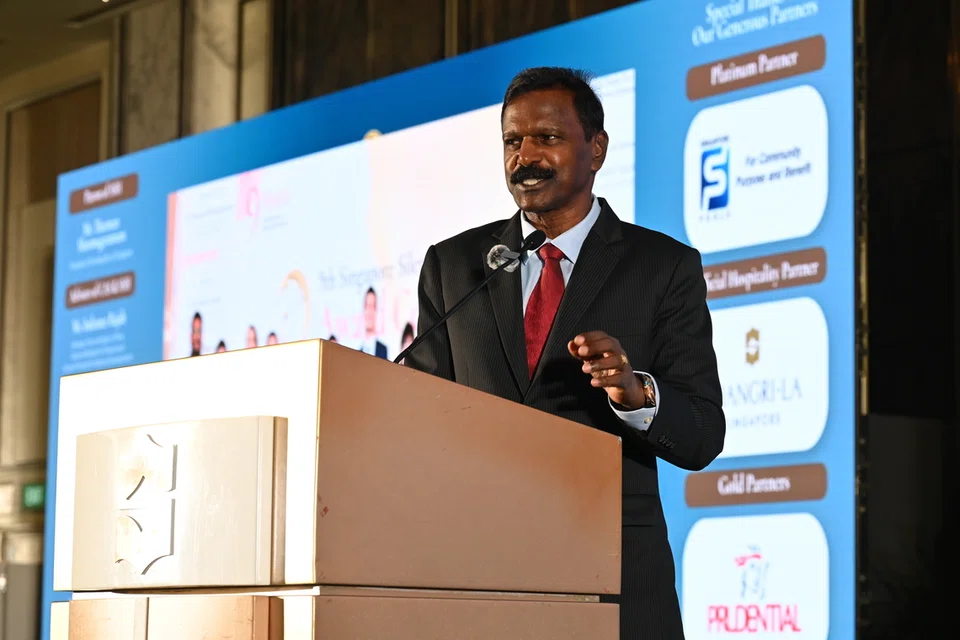
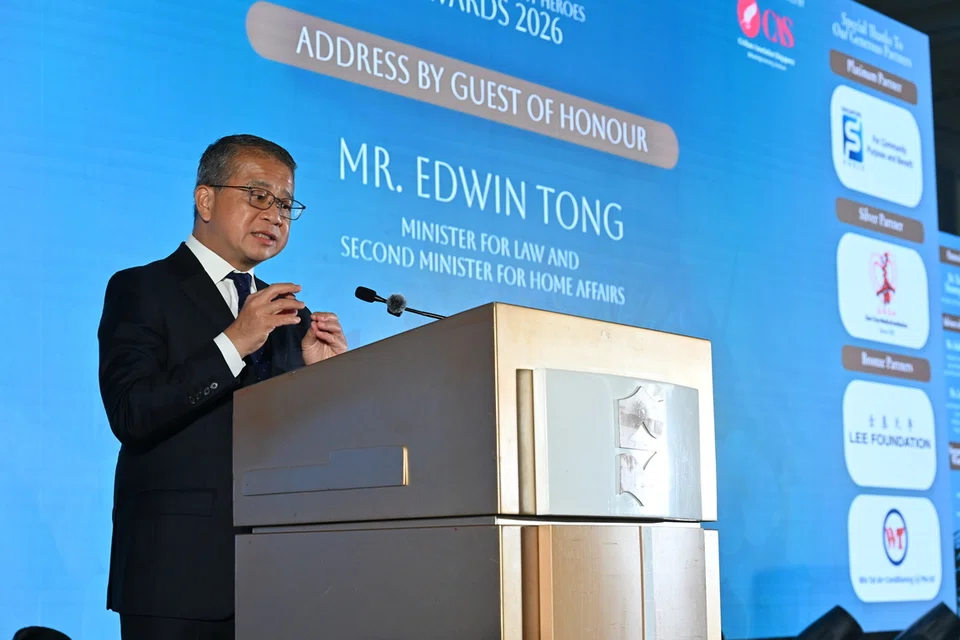
“It is, in fact, the ordinary act, the very mundane, simple but repeated like the neighbour who keeps checking in or the volunteer who keeps coming back,” said Minister for Law and Second Minister for Home Affairs Edwin Tong, who was guest of honour at the 13th Singapore Silent Heroes (SSH) Awards organised by the Civilians Association (Singapore) on Sept 19.
He added that “those are the qualities that reassure, that give confidence and allow people to find comfort”.
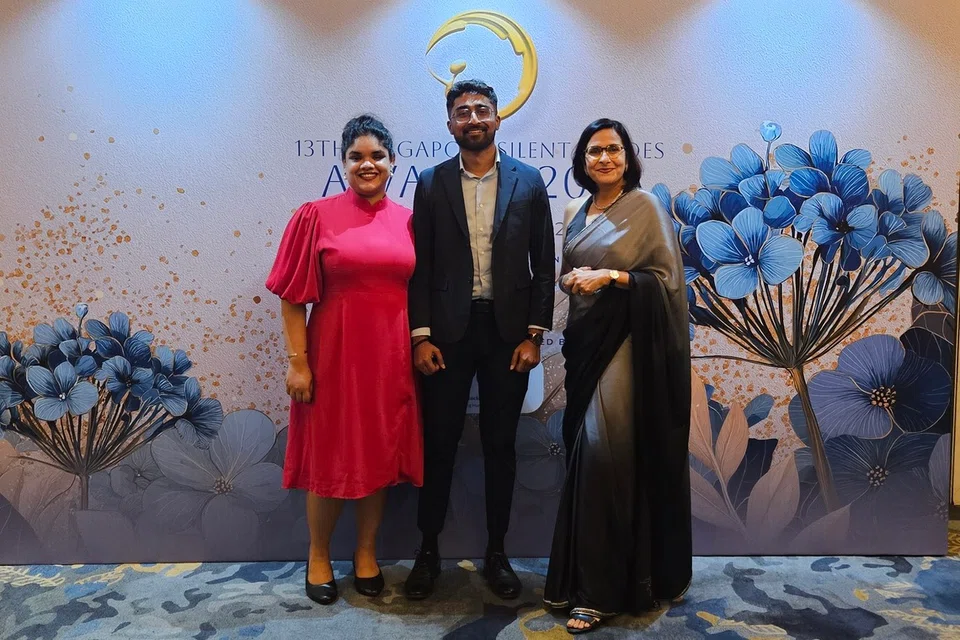
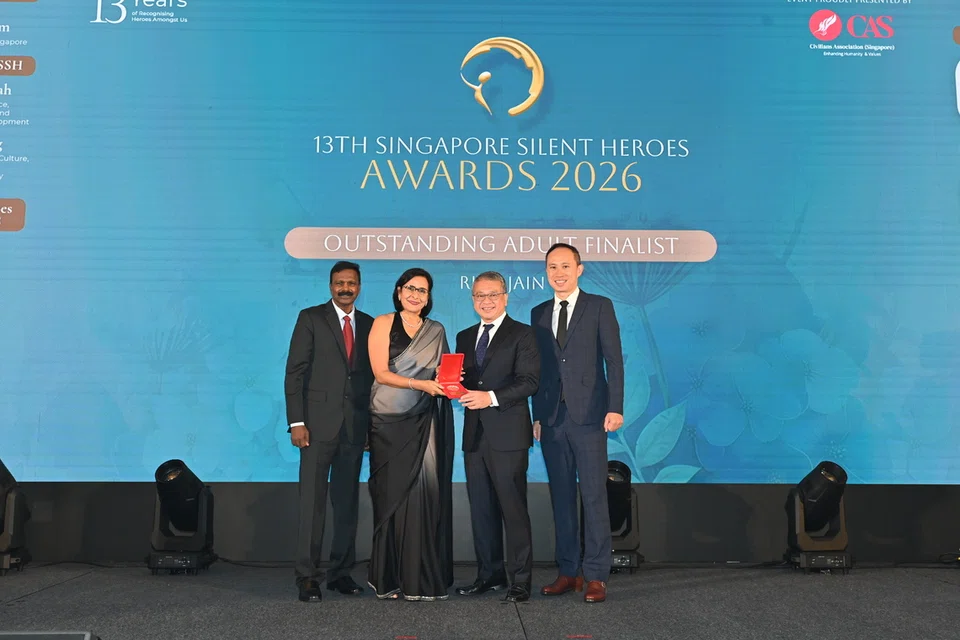
Dr Ritu Jain, a senior lecturer at Nanyang Technological University and SSH 2026 Outstanding Adult Award finalist, embodies these qualities through her advocacy for patients with epidermolysis bullosa or EB for short.
EB is a group of rare inherited skin conditions that cause the skin to blister and tear at the slightest touch due to a genetic mutation that prevents production of the protein that anchors multiple layers of the skin together.
“It’s the most painful disease we’ve never heard of and it is compared to third-degree burns,” explained Dr Ritu.
She cited how infants with the most severe subtype, or Dystrophic EB, are born without large patches of skin due to the friction from childbirth, and have to be administered morphine (a powerful opioid painkiller) even before they can receive their mother’s milk.
As a result, the families and caregivers of EB patients have to face immense psycho-social and financial challenges, which Dr Ritu experienced first-hand.
Her daughter and youngest child, Ira Jain, 26, had inherited EB Simplex, one of the milder subtypes. This made it difficult for her to walk short distances as the soles of her feet would blister, only worsened by Singapore’s heat and humidity.
“I didn’t realise how she would struggle at school,” Dr Ritu said.
Ms Ira had to be exempted from physical education classes, use the school’s lift (that was typically not meant for students) as she could not climb the many flights of stairs, and had to wear different footwear, which exacerbated the social stigma surrounding her condition.
It does not help that the foam dressings and ointments used by EB patients to help manage their pain or symptoms are not eligible for local subsidy. They are often purchased at a high markup through retail pharmacies, Dr Ritu noted.
In a bid to raise awareness and influence policy changes, Dr Ritu served as the president for the Dystrophic Epidermolysis Bullosa Research Association (DEBRA) International, which oversees over 50 national chapters, from 2021 to 2026.
She created avenues for information exchange by setting up WhatsApp group chats in India, Pakistan, Ukraine, Indonesia and other countries for patients and caregivers, who are mostly parents who do not know what EB is or how to take care of it.
“It has taken me multiple webinars to help them understand that putting salt in the bath water will actually protect the children from pain,” Dr Ritu said.
She also curated a team of specialists and led them across different cities in India to train doctors and medical professionals on EB conditions and how to treat patients better.
“Once you see how even small contributions can make a big difference, you cannot ever stop being an advocate,” Dr Ritu added.
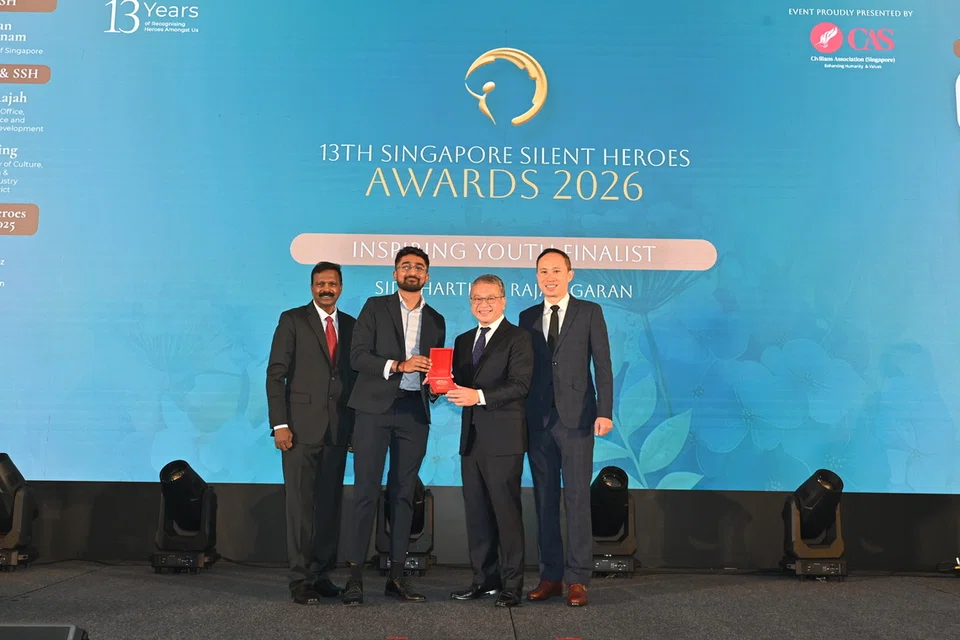
Another SSH 2026 Award finalist was Mr Siddharthen Rajasegaran, 32, a career programme executive at =DREAMS (pronounced as equal dreams), a residential campus dedicated to children from less-resourced circumstances.
He was nominated by a friend for the Inspiring Youth Award in lieu of mentoring young people aged 17 to 35 through various leadership programmes he facilitated during his stint at SINDA from 2019 to 2024.
“I was introduced to a lot of inspiring youth who wanted to give back to the community,” Mr Siddharthen recounted. “I got more inspired by them and it became something that I still wanted to carry on even after I left”.
An example was a mentee that he met in 2021, who was a Ngee Ann Polytechnic student at the time. She started out as a programme participant and even mentored a few others before taking on the role of a co-lead in the SINDA Youth Leaders Seminar in 2024.
“For me, that was a very proud moment to see her from a participant, who didn’t know how she could contribute, to who she is now,” Mr Siddharthen added.
He also runs a ground-up initiative with a couple of friends called Illuminate Lives that works with migrant workers and gives out festive gift packs to marginalised communities during the holy month of Ramadan.
“It does not always have to be a huge project,” Mr Siddharthen explained. “If you can bring together two or three others who can help each other, that’s enough. You don’t need a title or need to have a lot of resources to start something meaningful”.
This year’s 20 awardees and finalists were chosen from a pool of 140 nominations by an awards committee comprising five judges independent of SSH, which included lawyer and Pro Bono SG’s chief representation officer Sadhana Rai.
The newly inducted Silent Heroes will also join SSH’s alumni network, and may be invited to take part in initiatives like the Breaking Barriers Community Leadership workshop led by SSH secretary and SINDA Youth Club chairperson Dash Shanmugam.
“Just imagine the possibilities when one Silent Hero meets another. Their individuals acts of service can become a collective force for good,” said Mr MP Sellvem, president of Civilians Association (Singapore) and SSH chairman.