

The past year marked milestone anniversaries and momentous occasions for many local Indian organisations. tabla! spoke with community leaders and members to reflect on these achievements and explore what the road ahead looks like for the business, arts, and social sectors.
Arts and Culture
2025 was a milestone year for the Indian Heritage Centre (IHC) as it celebrated a decade of working with the community to grow into a vibrant community space. It received close to 1.8 million visitors, not just from Singapore’s Indian and South Asian communities but also from other Singaporeans and foreign visitors.
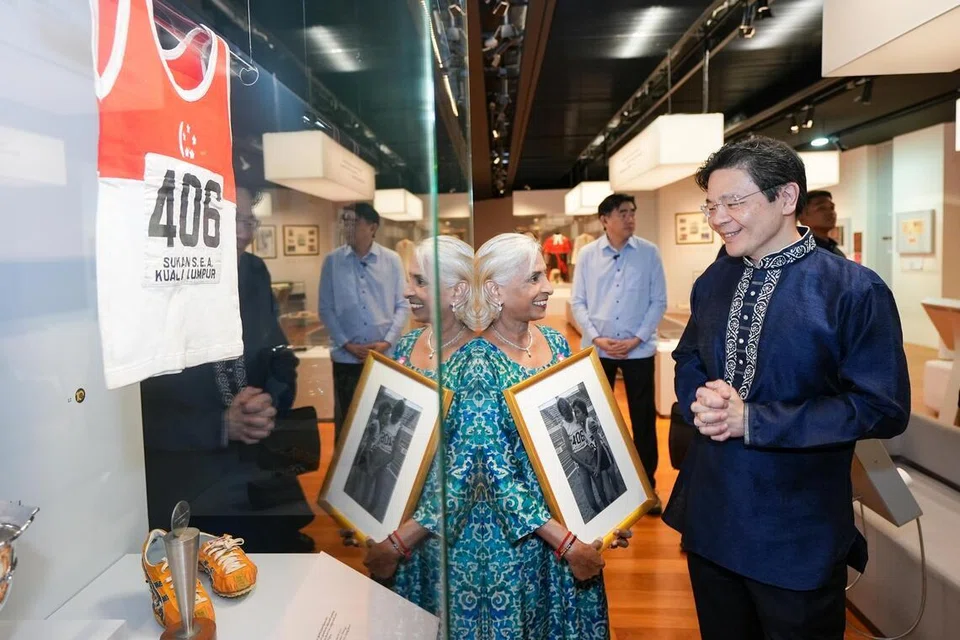
Noting the centre’s upcoming Pongal Open House on Jan 10, 11, 17, and 18, IHC’s general manager Kiruthiga Mahendran said that attendees can “experience the charm of a folk village with cultural activities, craft workshops, and performances celebrating the spirit of Pongal”.
The Singapore Indian Fine Arts Society (SIFAS) also had a landmark year in 2025, owing to the relocation of the academy to its latest premises at Middle Road.
“The Middle Road facility has been designed as one of the finest purpose-built spaces for Indian classical music and dance in the region, integrating acoustics, aesthetics, accessibility and contemporary learning environments. It reflects our belief that classical arts deserve infrastructure that is both respectful of tradition and aligned with modern expectations,” said SIFAS president K.V. Rao.
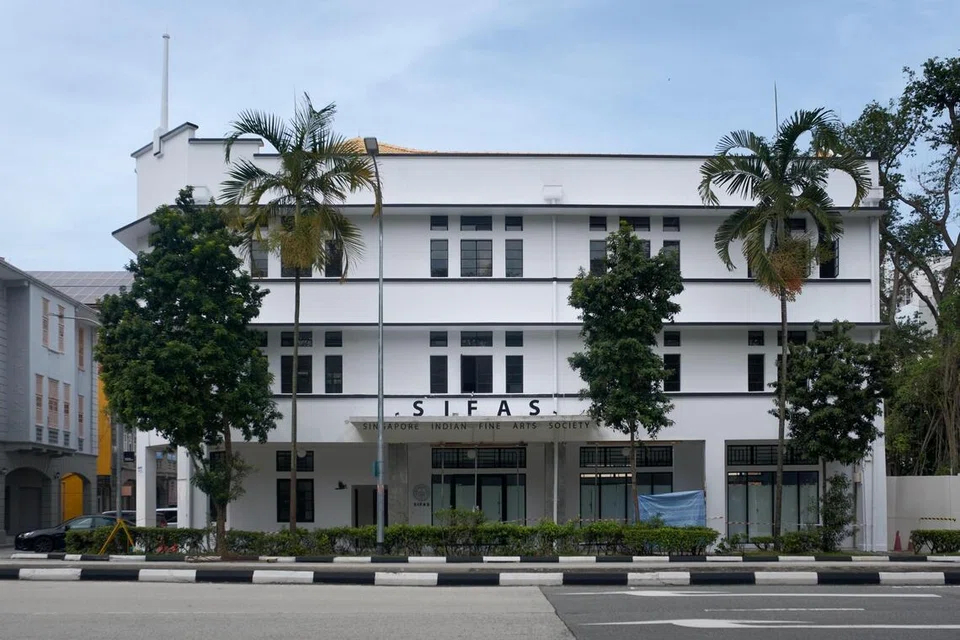
About 2,000 students are enrolled at SIFAS. In 2026, the academy intends to attract more participants of non-Indian origin, while also expanding collaborative work with other traditional music and art genres.
“A major development is the renewed momentum of SIFAS Productions, our independent production company. It provides a strong platform for Singapore-based artists to perform internationally and has already staged impressive productions at prestigious venues in India,” Mr Rao said.
ATAM, a non-profit organisation celebrating the traditional folk arts, highlighted the Anandha Kondaattam festival in August, 2025. The event had some 30,500 attendees, uniting over 100 performers on stage and showcasing 20 unique Indian folk arts, integrating all Indian sub-ethnicities.
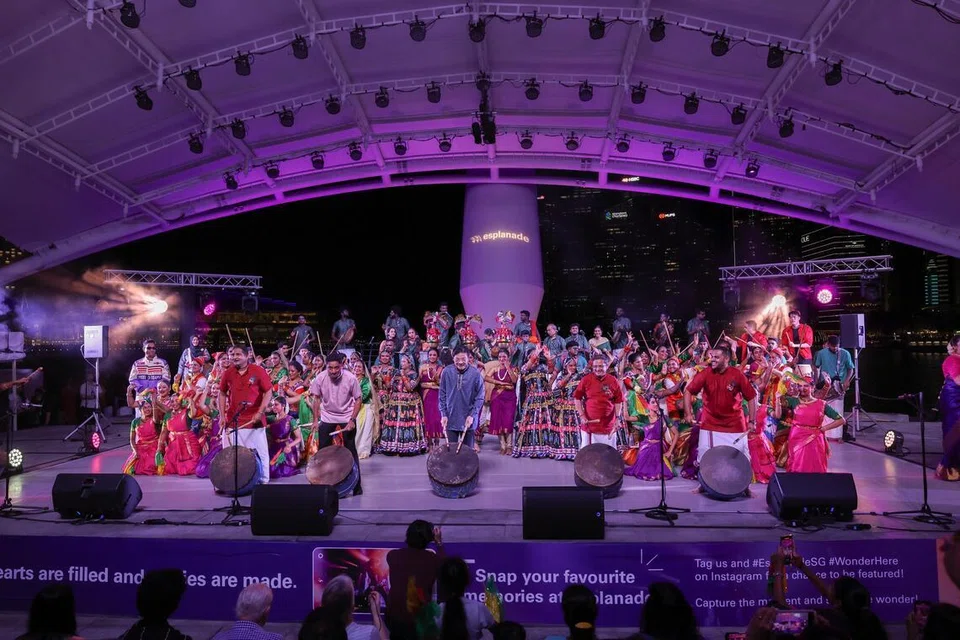
“I think the 2026 outlook is definitely positive for the performing arts sector in the local Indian community because I believe that we love to express ourselves,” said ATAM’s incoming chief executive officer Vishnu Vardni.
She cited how ATAM was able to bring on board a rarer art form, such as Koli, a fishermen’s folk dance from Maharashtra, because the local community that practises it wants it to be seen and passed down to the next generation.
“There’s the performance and the educational element. Moving forward, I think we need to focus on the latter, and encourage people to take it up, especially youth who may not see the value-add of such art forms,” Ms Vishnu said.
Community
Self-help group Singapore Indian Development Association’s (SINDA) chief executive officer Anbarasu Rajendran pointed out that SINDA will continue building on its existing programmes while introducing targeted enhancements to uplift the community in 2026.
“These efforts focus on strengthening students holistically, empowering families towards self-sufficiency, and deepening volunteer-led community impact to help the community adapt and thrive in an evolving landscape,” he added.
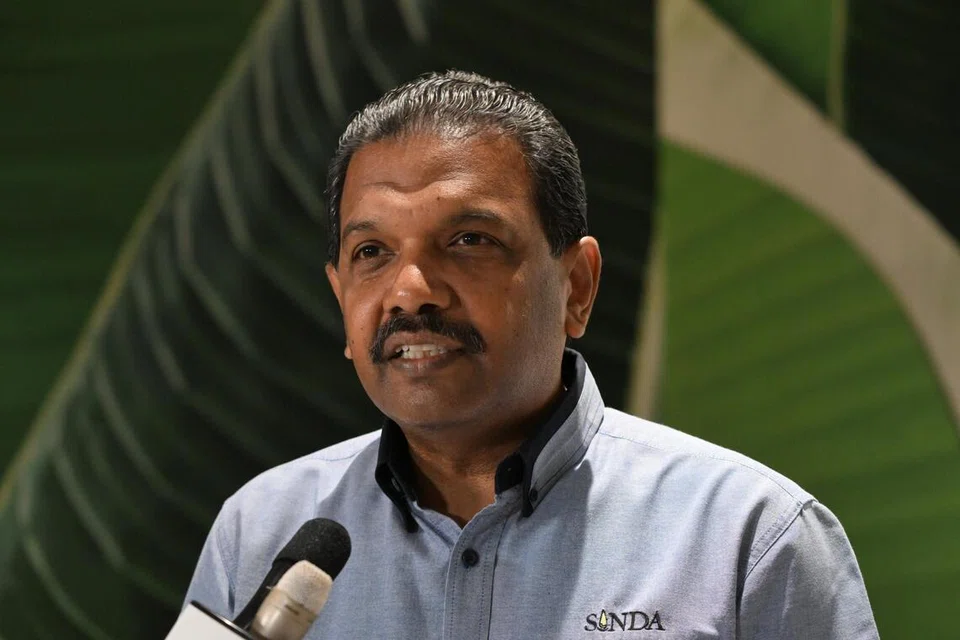
An example would be expanded academic support for students through SINDA’s STEP programme, which operates across 24 physical centres and a virtual centre, with plans to reach 4,200 students by 2026. Another key focus area would be families in the bottom 10th percentile, with SINDA aiming to support an estimated additional 3,000 families through customised interventions and national schemes.
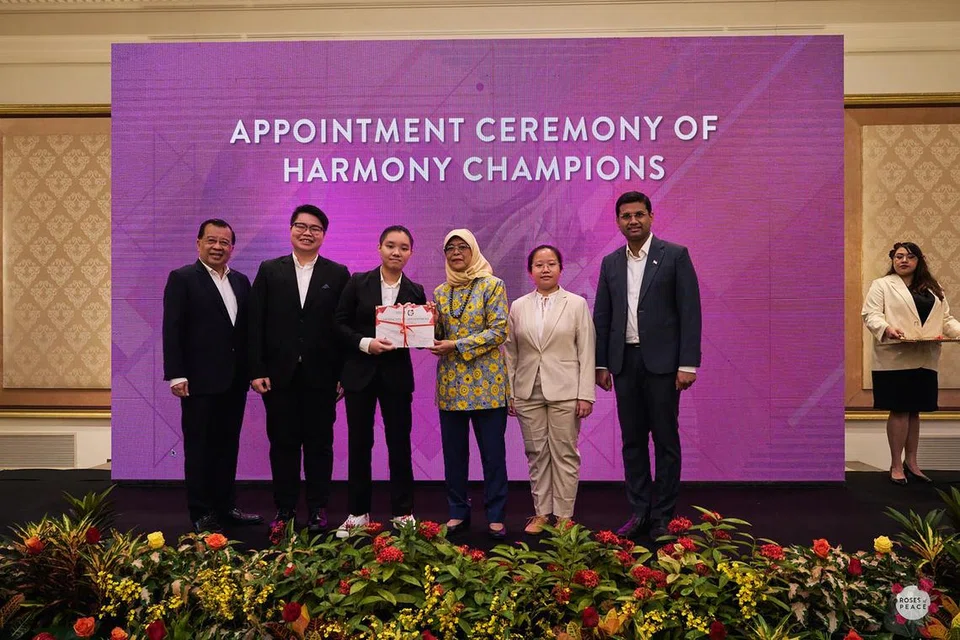
Non-profit, youth-driven organisation Roses of Peace (ROP) is dedicated to fostering social cohesion in Singapore by building bridges across diverse racial, religious, and ethnic communities.
“ROP will be conducting its third round of the Harmony of Champions programme, where the primary focus is on training young leaders for racial and religious harmony. It will also be starting a programme to promote inter-religious harmony in a corporate setting by getting young working professionals on board,” said ROP’s president Mohamed Irshad.
Narpani Pearavai, as the coordinating body for the Indian Activity Executive Committees (IAEC), enables Indian Singaporeans to contribute positively at the constituency, district, and national levels.
“To promote healthy living among the Indian community, Narpani will be collaborating with Tan Tock Seng Hospital to promote vascular studies, which will study the risk of heart diseases,” noted Narpani’s chairman Ravindran Ganesan.
“Narpani is also planning to start a pilot initiative with three Group Representation Constituencies to conduct Tamil writing and journalism workshops. There are plans to conduct a networking session with various IAEC chairpersons in April to come up with ideas to help the needy Indian families,” he added.
Business
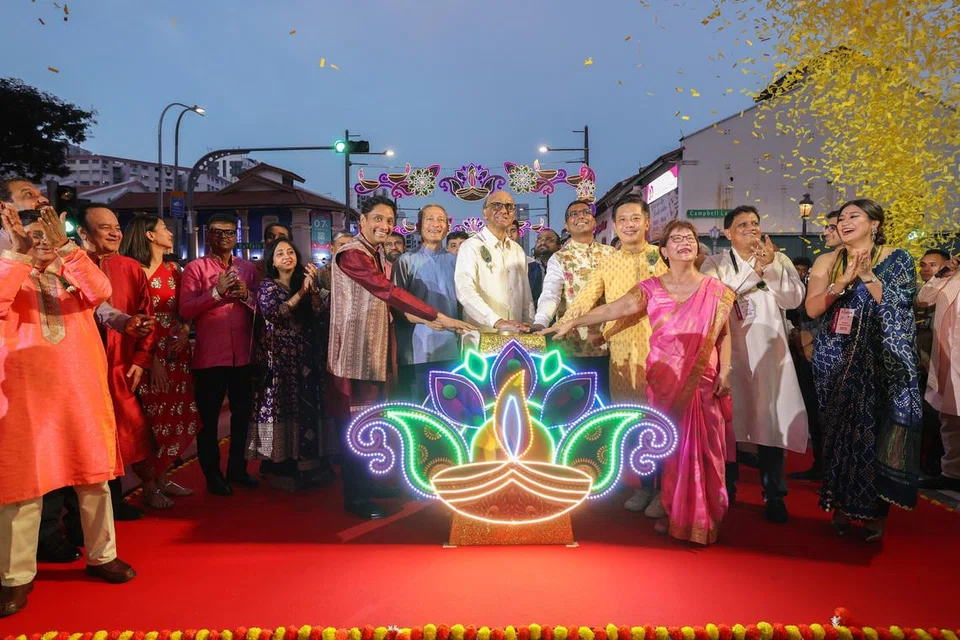
The defining highlight for the Little India Shop Owners and Heritage Association (LISHA) this year was DEEPAVALI UTSAVAM 2025, where Serangoon Road was closed off to create a shared cultural space for the wider community.
“Having the President of Singapore as the Guest of Honour was a moment of deep significance, and not just as recognition but as affirmation of the role community-led organisations can play at a national level,” said LISHA’s general manager Gloria Steven.
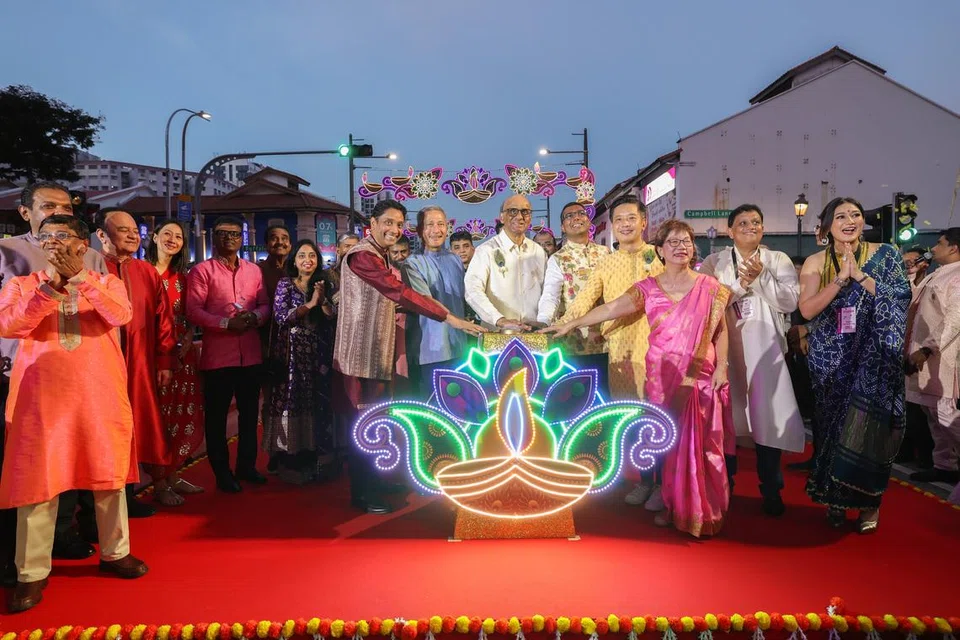
Building on this, LISHA will be focusing on initiatives that deepen impact rather than simply scale up. This includes nurturing future leaders, creating intergenerational platforms, and developing programmes that connect cultural identity with contemporary social and economic realities.
“The current environment is forcing businesses to mature by moving away from short-term survival thinking towards resilience, governance, and long-term value creation,” Ms Gloria said.
In 2026, the Singapore India Chamber of Commerce and Industry (SICCI) will celebrate 101 years of service to the Indian business community in Singapore. It plans to focus more on small-medium enterprises (SMEs), entreprenuers, women empowerment, and overseas expansion for local businesses.
“Through our SME Centre, we actively support members in their digitalisation journey, cost optimisation, collaboration opportunities, reskilling initiatives, and effective utilisation of government schemes,” said SICCI vice-chairman Rajkumar Chandra.
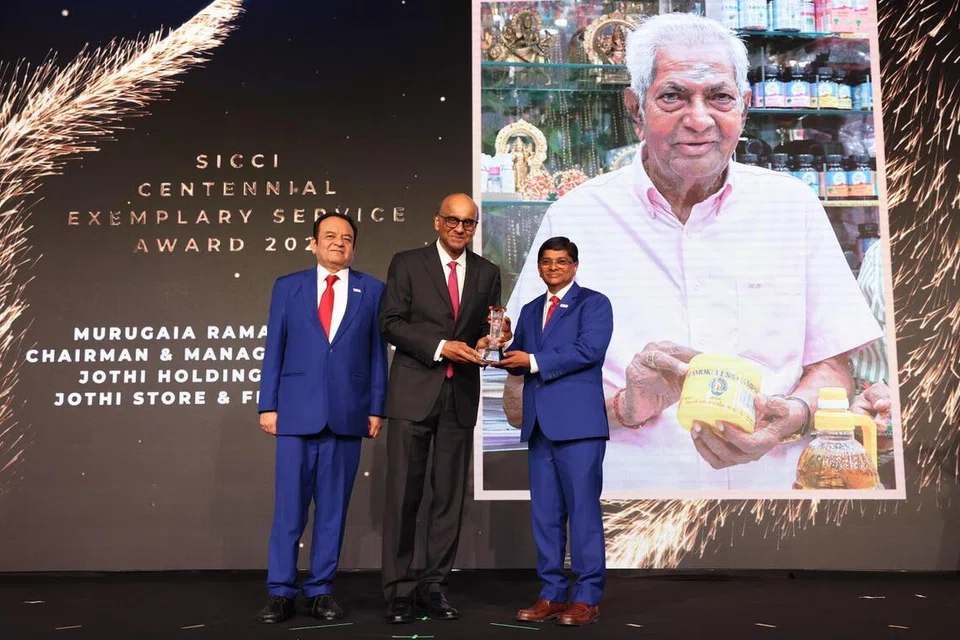
SICCI will play a proactive role by consistently articulating members’ pain points and proposing practical solutions to the government, ensuring that policy feedback remains timely, relevant, and grounded in real business needs, Mr Rajkumar noted.