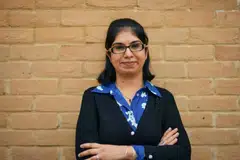
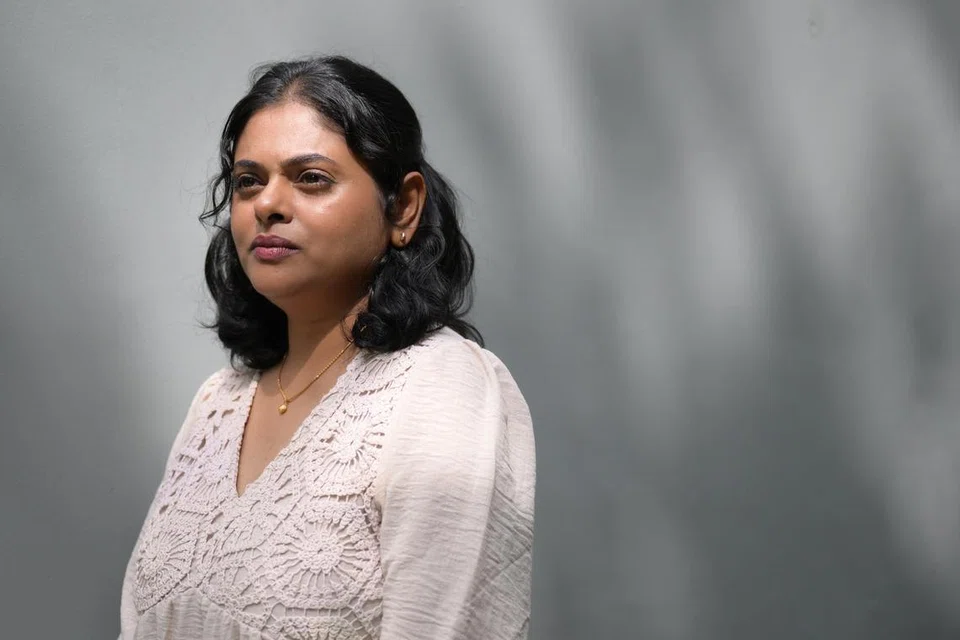

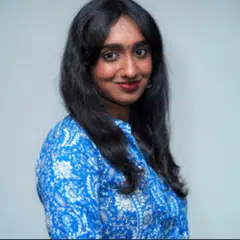
Former architect Mrs Kinnari Bhosale may no longer be drawing blueprints for buildings, but she is now engaged in a far more vital reconstruction project: rebuilding her body and mind.
Relocating to Singapore in mid-2022, she thought the hardest days of her life were over. The now 35-year-old had then survived an unplanned pregnancy during India’s second wave of Covid-19, battling the virus before delivering twin boys prematurely.
Singapore was supposed to be a fresh start. Instead, it became the battleground for a medical crisis she never saw coming.
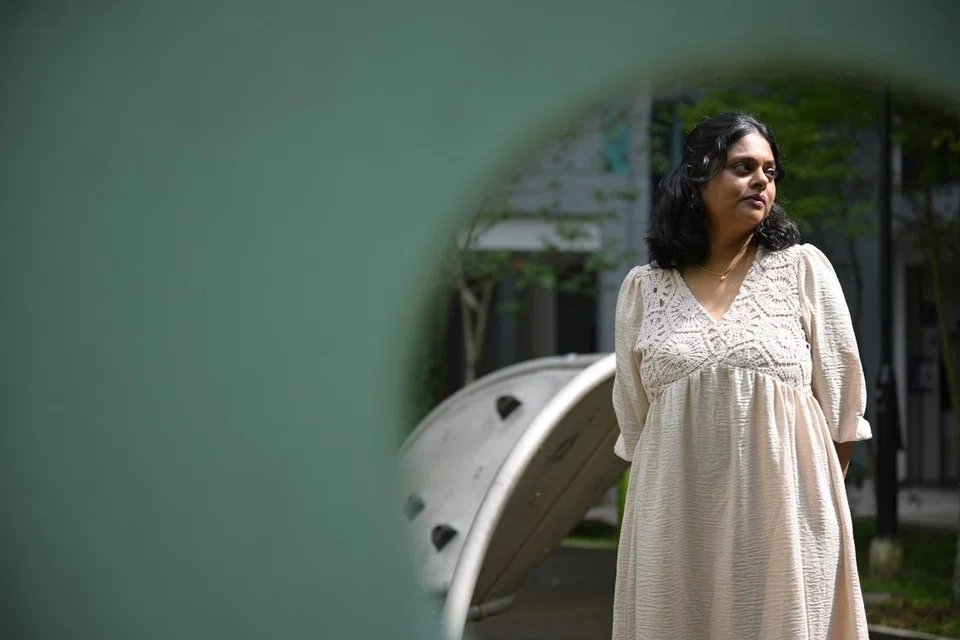
Initially dismissing a persistent ache in her left breast, she visited a general practitioner on Jan 2, 2025. The pain lingered for over two weeks, and the tissue grew unusually hard. It felt like a stone, she recalled.
“I was healthy. I was active. I was running after two toddlers every day,” Mrs Kinnari said. “So when the doctor mentioned cancer, I was in complete denial.”
A terrifying series of scans and biopsies at Mount Elizabeth Hospital eventually ruled out cancer. But they revealed a diagnosis almost as daunting: idiopathic granulomatous mastitis (IGM).
IGM is a rare, chronic inflammatory breast condition believed to involve the immune system mistakenly attacking healthy breast tissue. While she was relieved it was not cancer, the reality of IGM was grim. There is no guaranteed cure, and the condition is known for recurrences.
Mrs Kinnari’s health deteriorated rapidly. Her Erythrocyte Sedimentation Rate (ESR), a marker for inflammation, spiked to four times the healthy limit, and silent lumps morphed into large abscesses. Strikingly, she felt absolutely no pain when this happened – a lack of symptoms she warns can be dangerously misleading. Rushed visits to her specialist’s clinic for painful needle aspirations soon became routine.
By April, surgery was unavoidable. Doctors excised a thick inflammatory mass and placed her on vacuum-assisted wound therapy to drain infected fluid and promote deep tissue healing.
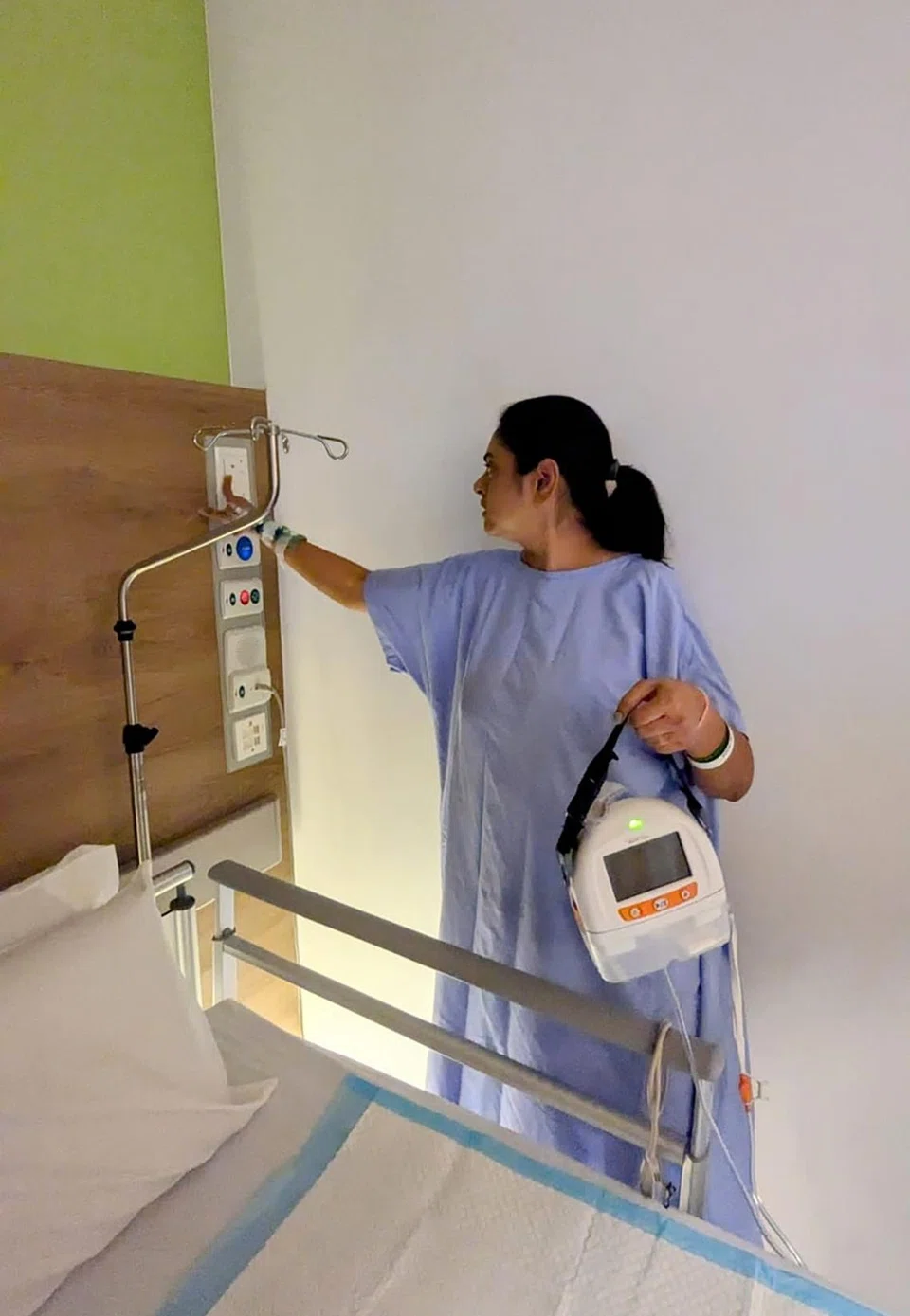
High-dose steroids brought a wave of side effects, including weight gain, hair loss, and secondary blood sugar spikes. Today, she still takes up to 15 pills a week to manage the lingering effects. Everyday chores, from kneading dough to simply holding her child’s hand, can still trigger sharp pain.
While the exact medical cause of IGM is unknown, Mrs Kinnari believes her body finally gave way under years of unacknowledged pressure, from gruelling night shifts as an architecture student to the stress of raising her children in a foreign country.
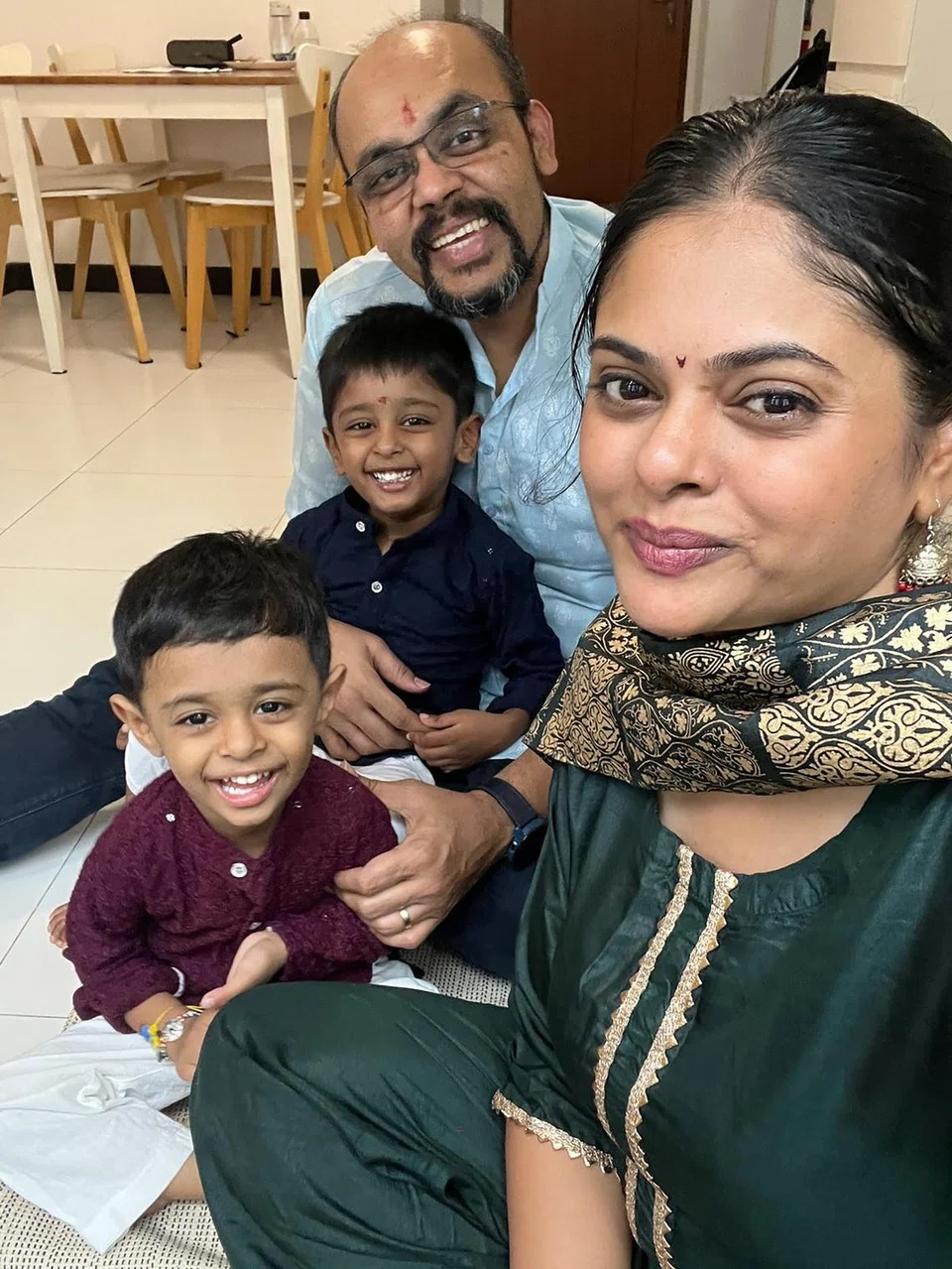
After months of recovery, she recently experienced a small flare-up – a stark reminder of the condition’s aggressive and unpredictable nature. However, rather than succumbing to the fear of a full relapse, Mrs Kinnari has resolutely embraced a disciplined, holistic approach to managing her health.
To keep her inflammation at bay, she had to rethink her traditional diet. Growing up in a Maharashtrian household, wheat roti (or chapati) was an everyday staple. She has now replaced it with gluten-free millets such as bajra and jowar and incorporated raw turmeric into her diet.
More importantly, she completely overhauled her mindset. “I am a different person now,” she said. “I’ve set boundaries for the people and things that don’t add to my progress. If I feel a person doesn’t value me, I don’t waste my time on them.”
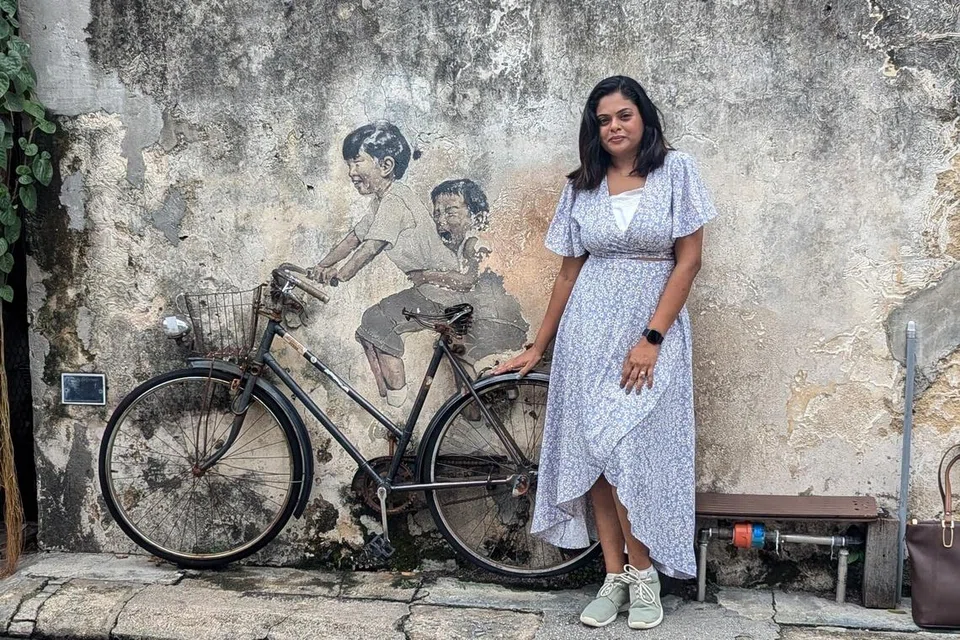
A major pillar of this mental recovery has been solo travel. To escape the daily chaos of life, she takes short, independent trips to places like Thailand and Malaysia. She actively documents these journeys of self-recovery and healing on her Instagram account.

“I like solitude. In solitude, I recharge,” she noted. Though she would love to travel further in the future, she said that she currently chooses locations that are safe and closer due to health and financial reasons.
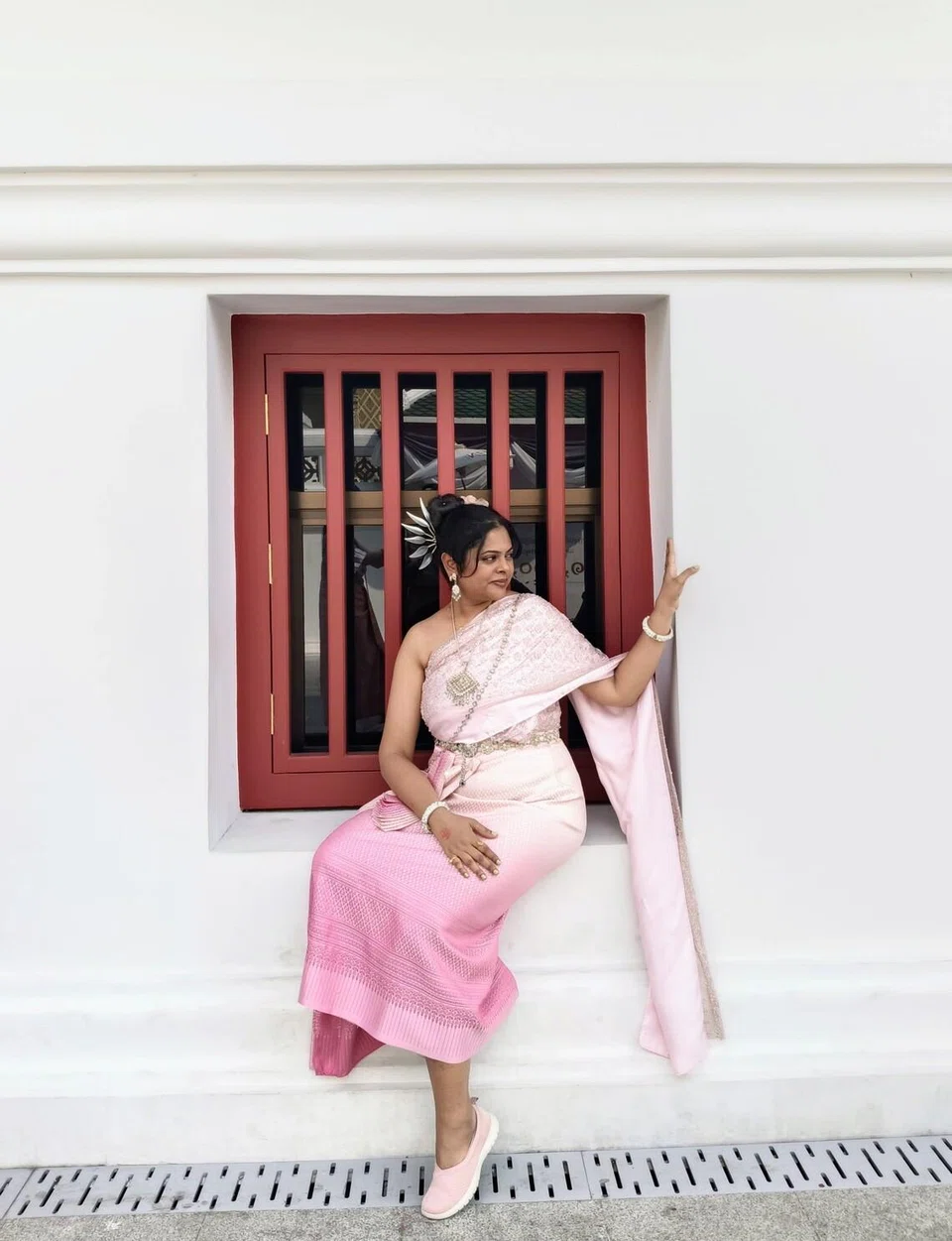
This ordeal has also profoundly reshaped her life’s priorities. “I realised that materialistic things come and go and that health is the biggest wealth. I want to flaunt about my health to people, not about which bag I have or which shoes I’m wearing,” Mrs Kinnari said.
She hopes her story will encourage other women to prioritise themselves. “Breast conditions do not always hurt, and symptoms are not always obvious. If something feels unusual, don’t wait. Be your own advocate.”