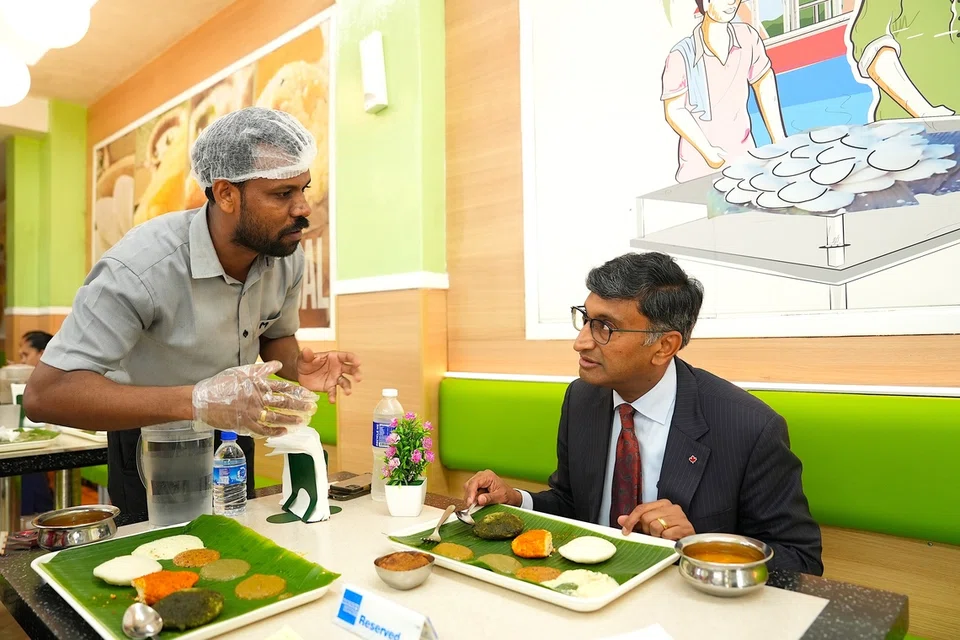
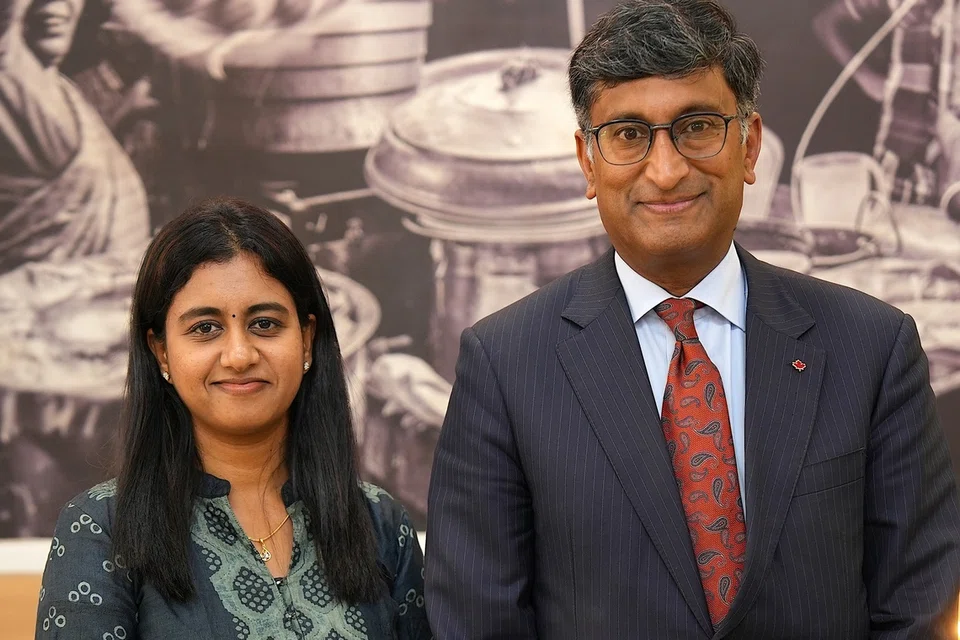
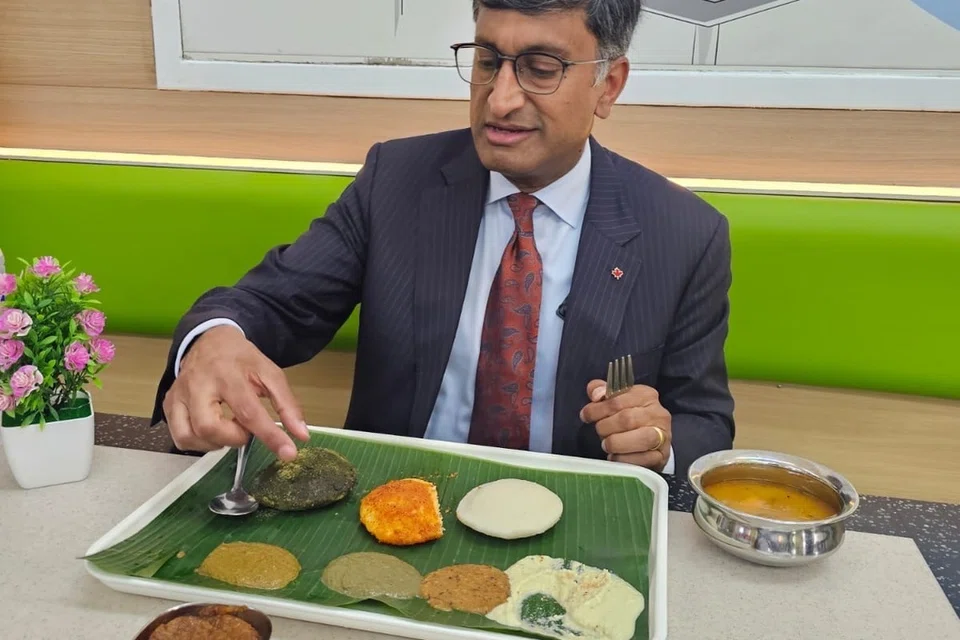
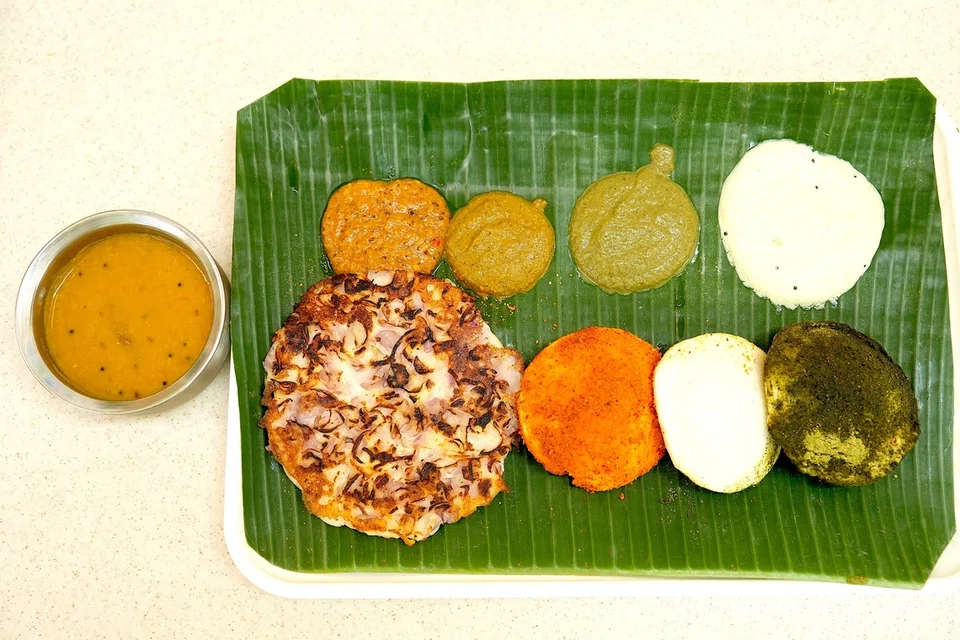
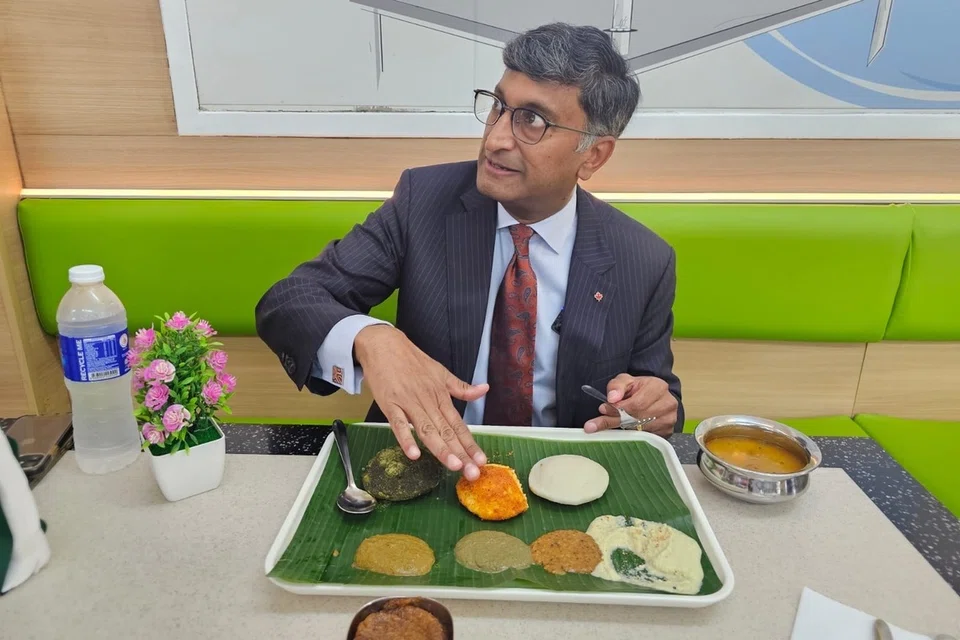
Sitting over idlis at Murugan Idli Shop in Little India, Mr Paul Thoppil was unequivocal about what should accompany his favourite South Indian breakfast.
Sambar or coconut chutney?
“My God, who’s choosing? And why would you choose? You gotta have both,” Canada’s High Commissioner to Singapore said with a laugh during an interview on Sept 15.
The exchange revealed something about Mr Thoppil that his surname already announces rather loudly.
Born and raised in Canada, he remains deeply attached to his Malayalee roots – through food, family, childhood summers in Kerala and even the woman he married.
His father, Mr James Varghese, came from Chengannur in Kerala and grew up in extremely modest circumstances, in a home without running water or electricity. After studying commerce and working for Exxon in Kolkata, he emigrated to Canada in the early 1960s, eventually settling in Ottawa.
He later returned to Kerala to find a bride and married Ms Omana, from Palayam in Thiruvananthapuram.
Their two Canadian-born sons were never allowed to forget where the family came from.
Mr Thoppil attended Saturday Malayalam classes as a boy, although mastering some Malayalam sounds proved too much for his “North American tongue”.
More successful was his education in Malayalee food.
His mother was an accomplished cook, and the family ate dishes such as meen (fish) curry, kappa (tapioca) and beef curry. Christmas meant appam and goat stew.
Kingfish for the family’s meen curry was so important to his father that weekend trips were made from Ottawa to Montreal to buy it, packed into coolers filled with ice for the journey home.
And, almost every summer, once school ended in Canada, the family flew to Kerala.
Mr Thoppil remembers fetching water from the well at his paternal grandparents’ rural home in Chengannur, helping around tapioca fields and running downhill when a fishmonger appeared on his bicycle.
Thiruvananthapuram offered a different experience. His mother’s four brothers, their wives and children would gather to welcome the Canadian relatives, sometimes travelling from other parts of Kerala.
Those journeys were expensive for an immigrant family, but Mr Thoppil now regards his parents’ decision to spend their savings maintaining those connections as one of the defining influences of his life.
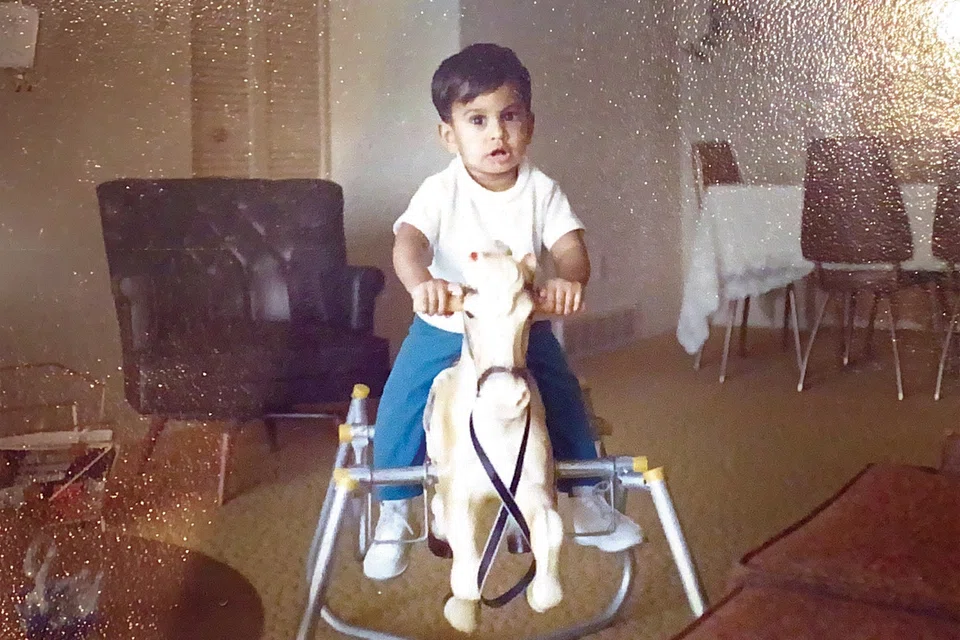
Another was his father’s belief in giving back.
Despite supporting a young family in Canada and his ageing parents in Kerala, Mr Varghese helped establish the Canada-India Village initiative in Chengannur, working with Rotary and a Roman Catholic church in Ottawa.
Land was acquired, and a vocational training centre was developed to help young women learn skills such as knitting and earn an income. Crops including tapioca and pineapple were grown to help support the project.
Watching his father devote himself to a community thousands of kilometres away left a lasting impression.
“The notion of giving back was essentially what my father instilled on my brother and I,” Mr Thoppil said.
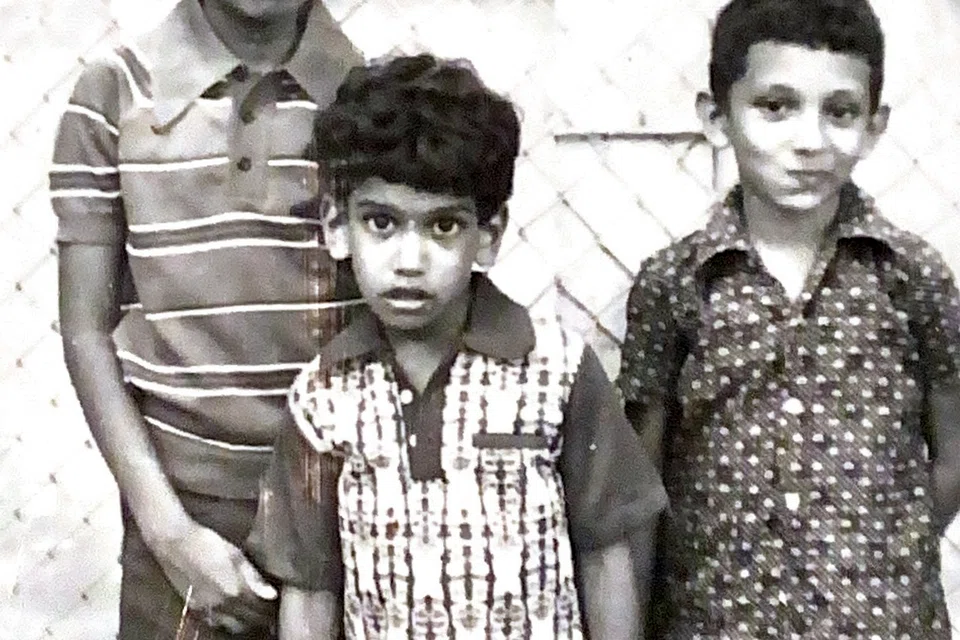
He believes the family’s constant movement between Canada and India also gave him and his younger brother Jacob an international outlook. Both eventually pursued careers with a strong international dimension.
The Kerala connection eventually extended to marriage.
Mr Thoppil surprised his Canadian friends by agreeing to an arranged-marriage introduction. He met Ms Naina, whose family home is in Kakkanad, Kochi.
Their first conversations were heavily chaperoned. When the Canadian in him suggested dinner alone so they could get to know each other, the Kerala solution was simple: The chaperones came to the restaurant too.
The courtship continued through expensive weekly international telephone calls after he returned to Canada.
They have now been married for 30 years and have two sons, Joshua and Isaac.
“It’s the best decision I’ve ever made,” Mr Thoppil said of marrying Ms Naina.
His route into diplomacy was similarly unconventional.
A Chartered Professional Accountant, Mr Thoppil began at Price Waterhouse Coopers before moving into the Canadian government. He later joined the Canadian Commercial Corporation and rose to become its chief financial officer.
Then came an unusual invitation: Join Canada’s foreign service in mid-career.
It was a significant opportunity, but Mr Thoppil was also conscious that he was entering a service where, at the time, there were relatively few non-Caucasian diplomats.
As a Canadian of Indian origin, he knew that establishing himself meant overcoming perceptions – both within the broader professional environment and among some of the people he encountered overseas – about what a Canadian diplomat was supposed to look like.
His career consequently carried an additional burden: His credentials, authority and Canadianness could not always be taken for granted.
Mr Thoppil recalled that Asian interlocutors generally found an immediate cultural familiarity with him, which could be an advantage. But particularly among an older generation, there could also be surprise when the Canadian representative walking into the room was not white.
“Is he really Canadian?” was how he described one of the perceptions he sometimes encountered.
Rather than allowing his ethnicity to become a limitation, Mr Thoppil turned it into a diplomatic strength. His Indian heritage, he believes, gave him a deeper instinctive understanding of Asia and often allowed him to establish rapport more quickly across the region.
He steadily rose through Canada’s diplomatic and public-service ranks, serving as Minister Commercial in Tokyo and later Assistant Deputy Minister for Asia-Pacific at Global Affairs Canada.
He helped develop Canada’s Indo-Pacific Strategy and received a 2021 Public Sector Award of Excellence for his contribution towards securing the release of Canadians Michael Spavor and Michael Kovrig, who had been detained in China.
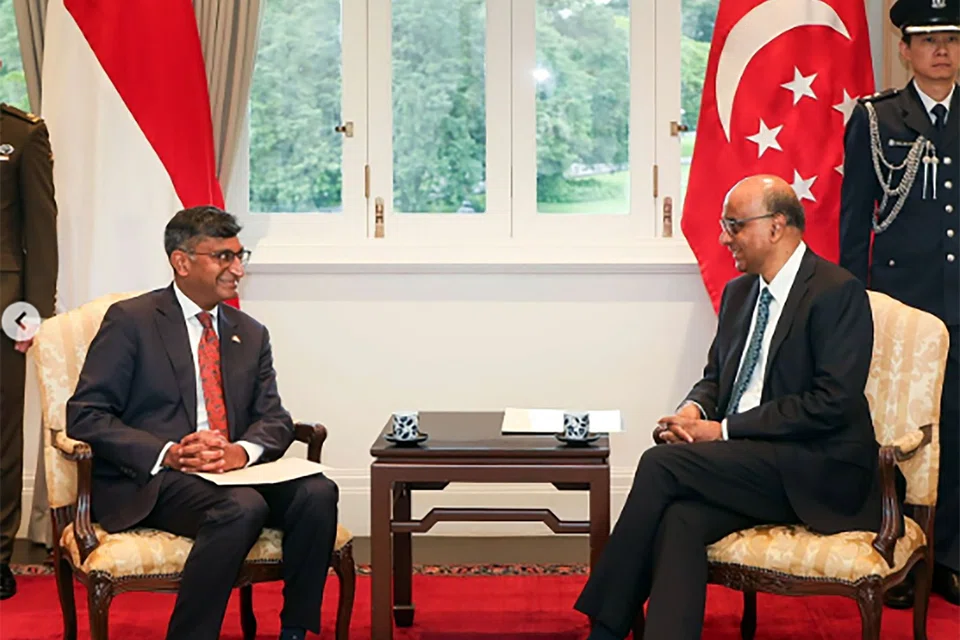
In 2023, he became Canada’s first Indo-Pacific Trade Representative. He was subsequently appointed High Commissioner to Singapore in 2025 while continuing in that regional role.
Singapore, he believes, presents a rare diplomatic opportunity.
Approaching his first anniversary here, Mr Thoppil wants to deepen a relationship between two geographically distant countries that he sees as sharing many interests and values.
The 59-year-old is particularly interested in strengthening people-to-people links, including exploring how the substantial Indian diasporas in Canada and Singapore could create another bridge between the countries.
Yet, amid high diplomacy, some connections remain wonderfully uncomplicated.
Like idli.
Mr Thoppil loves its simplicity and healthiness – and insists it must come with both sambar and coconut chutney.
Kerala itself continues to exert an even stronger pull.
What he misses most is its sense of community: Strangers smiling when asked for directions, relatives dropping in without appointments, and family members somehow learning he has arrived before he has told them.
No matter how much time has passed, returning feels as though he never left.
For a Canadian diplomat whose career has taken him across Asia, that may be the enduring power of his Malayalee identity.
Canada is where Mr Thoppil was born and built his life.
But Kerala remains the place he can still call home.