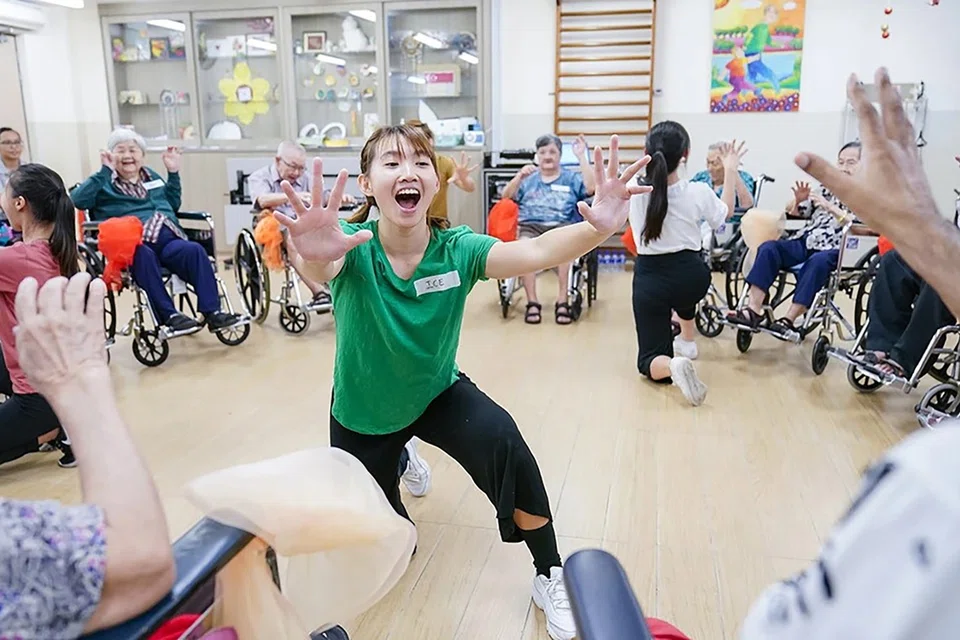

From Dec 8 to 12, Singapore hosted Healing Arts Singapore (HASG), Asia’s first national-level festival dedicated to arts and health.
The landmark initiative brought together researchers, artists, healthcare professionals, and policymakers across Singapore’s top institutions – from the National Gallery to the National University of Singapore (NUS) – to explore how the arts can be embedded into systems of care to improve public wellbeing.
Co-led by the Centre for Music and Health at NUS Yong Siew Toh Conservatory of Music and the Nanyang Academy of Fine Arts, University of the Arts Singapore (UAS), the festival was part of the Healing Arts global campaign by the Jameel Arts & Health Lab in collaboration with the World Health Organisation (WHO). The campaign has previously seen editions in New York and Paris – but Singapore marked the first national-level engagement in Asia.
At the heart of the campaign’s design and success was Dr Nisha Sajnani, co-director of the Jameel Arts & Health Lab, professor at New York University Steinhardt, and a drama therapist whose formative years in Singapore and Malaysia shaped her worldview.
“Healing Arts Singapore was a way to raise public awareness about the role of arts and heritage in health, while building the infrastructure to support it,” said Dr Nisha. “What we saw last week was unprecedented cross-sector collaboration, anchored in evidence and grounded in cultural relevance.”
Canadian-American Dr Nisha’s parents were born in Sindh, Pakistan, and then immigrated to Singapore and Taiping during the partition of British India in 1947. Her parents were married in Singapore and then immigrated to Canada, where she was born.
Dr Nisha returned to Singapore and Malaysia for two months every year during her teenage years.
Over the course of the week, HASG convened over 30 events, including academic symposia, policy meetings, exhibitions, live performances, and capacity-building workshops. Key announcements included:
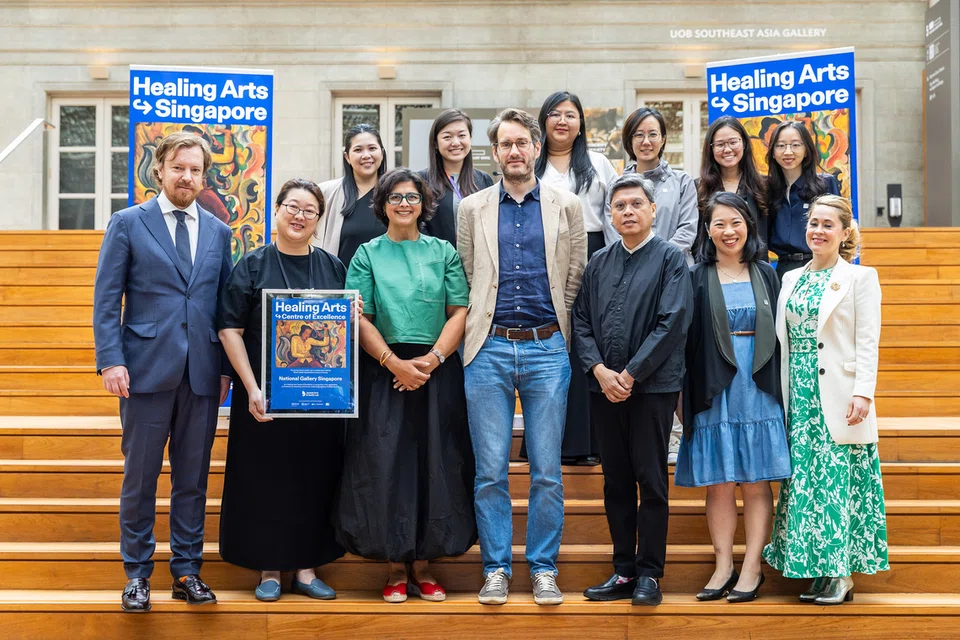
• National Gallery Singapore’s designation as Asia’s first Healing Arts Centre of Excellence – the first museum in the world to receive this accreditation.
• The regional launch of the Jameel Arts & Health Lab–Lancet Global Series, beginning with a photo-essay of 32 visual stories that explore arts and health relationships, including two from Singapore.
• The unveiling of THRivE, a groundbreaking digital toolkit developed by NUS to evaluate the impact of arts and heritage programmes on health outcomes.
“By aligning research with real-world implementation, we move from arts being ‘nice to have’ to being recognised as part of essential care,” said Dr Nisha, who played a central role in conceptualising Healing Arts and designing its evaluation framework. “We are not just showcasing arts interventions – we are creating the policy and institutional support needed for them to last.”
The accreditation of National Gallery Singapore as a Healing Arts Centre of Excellence signals a growing recognition of museums as partners in public health.
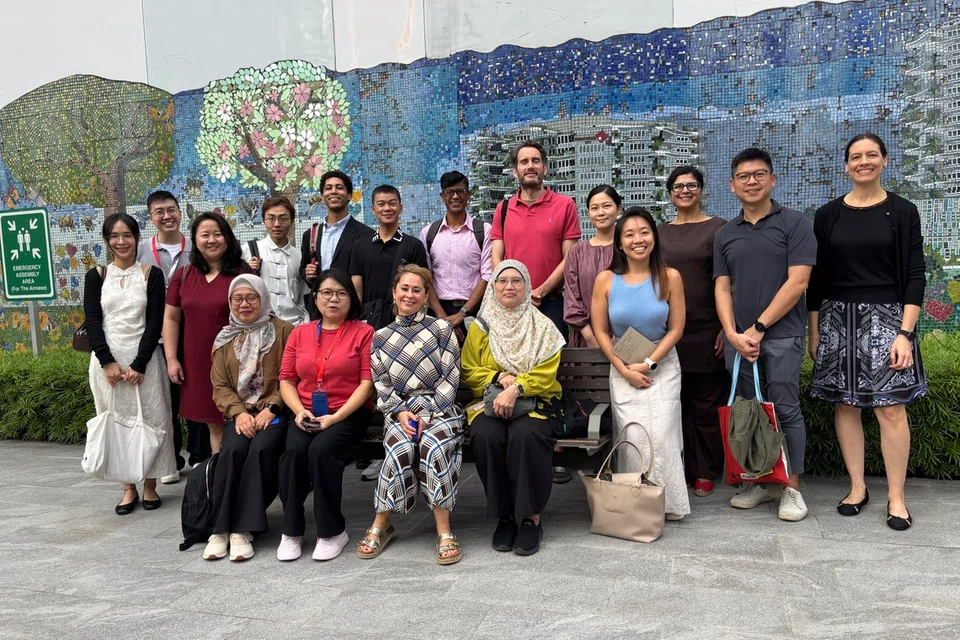
The Gallery’s accessible and therapeutic programmes – such as Slow Art, Gallery Wonders, and Art With You – have supported people living with dementia, persons with disabilities, and neurodiverse audiences through tactile art, mindfulness-based viewing, and dedicated calm rooms.
“The National Gallery is reimagining the museum as a place of care and wellbeing,” said Dr Nisha. “It serves as a beacon for how cultural institutions can serve as critical spaces for health, empathy, and inclusion.”
This designation places the Gallery in the company of global cultural leaders like Carnegie Hall and the Scottish Ballet, also accredited by the Lab.
Launched during HASG, the THRivE Toolkit – developed by the Centre for Music and Health at NUS – provides Asia’s first comprehensive framework for arts and health evaluation. It includes use cases, methods, and best practices for practitioners across clinical and community settings.
“By offering structured and practical evaluation,” said Dr Nisha, “THRivE can help organisations measure impact and advocate for long-term investment in arts-in-health programmes.”
Dr Nisha’s leadership in Healing Arts Singapore has deep personal roots. “Singapore and Malaysia were home during my childhood and adolescence. The region shaped my values, and it has been incredibly meaningful to return in this professional capacity,” she said.
She maintains active collaborations with Singaporean researchers like Dr Kat Agres (NUS) and Dr Michael Tan (UAS), with whom she co-led research on the role of the arts in preventing non-communicable diseases, recently published in Nature Medicine.
“The arts foster resilience, connection, and emotional engagement – all key to holistic health,” said Dr Nisha. “With initiatives like HASG, we are laying the foundation for a new model of care – one where creativity and health go hand-in-hand.”
santosh@sph.com.sg