
In the fast-evolving world of ophthalmology (the field of medicine that deals with the anatomy, functions, and diseases of the eye), Professor Jodhbir Mehta stands out as one of the world’s leading experts in corneal disease and refractive surgery.
With a career built on a combination of scientific curiosity, surgical expertise, and an unwavering commitment to improving lives, Dr Jodhbir combines groundbreaking research with hands-on patient care.
But his story goes far beyond his work at the Singapore National Eye Centre (SNEC) and the Singapore Eye Research Institute (SERI) as the former’s Deputy CEO (Research) and the executive director of the latter.
Dr Jodhbir’s story begins in a household where intellectual pursuit was the foundation of everyday life. He was raised in a family where both parents were highly accomplished.
“My dad was a doctor, and my mom was a teacher, so I was exposed to medical things early on,” Dr Jodhbir said, adding that he has always been inquisitive about things which aided in his career as a researcher.
But the path to becoming the globally recognised expert he is today was not a smooth one. During his training, Dr Jodhbir faced the challenge of balancing rigorous clinical training with his passion for research. “Medical school is long, and the exposure to research is limited,” he recalled.
“It was difficult to juggle all those things – surgical skills, examinations, postgraduate exams – but I always tried to keep doing some research.”
What kept him going through the grind was the inspiring environment in which he trained. At the time, many of the best clinicians in ophthalmology were also actively involved in research, demonstrating how academic inquiry could directly benefit patient care. This realisation shaped his career trajectory.
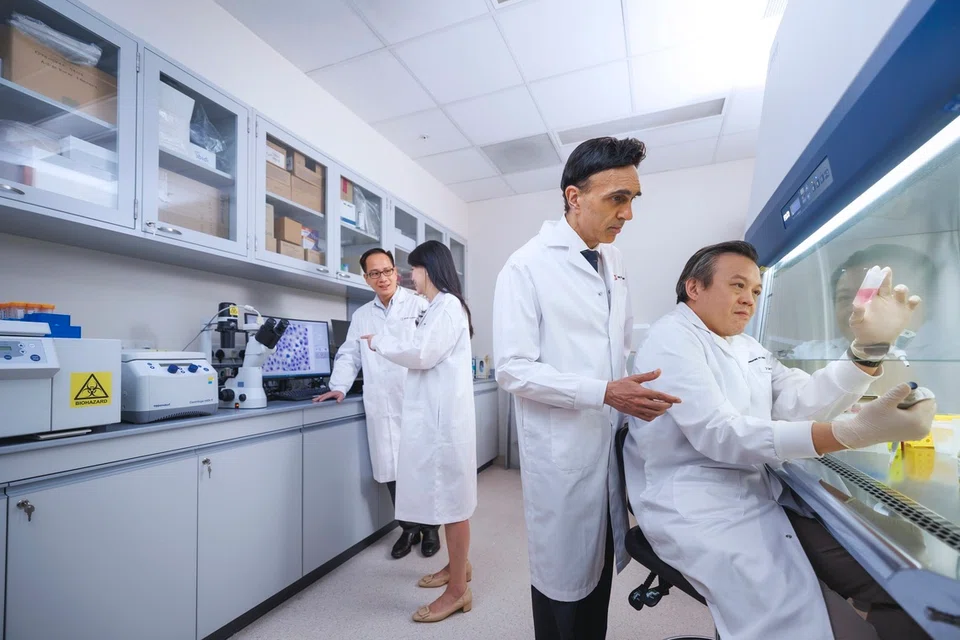
Today, Dr Jodhbir’s career is defined by an impressive balance of clinical practice, cutting-edge research, and leadership in large-scale programs. As the director of SERI, he not only leads a world-class team in advancing ophthalmic research but also mentors junior clinicians and contributes to a growing body of scientific literature.
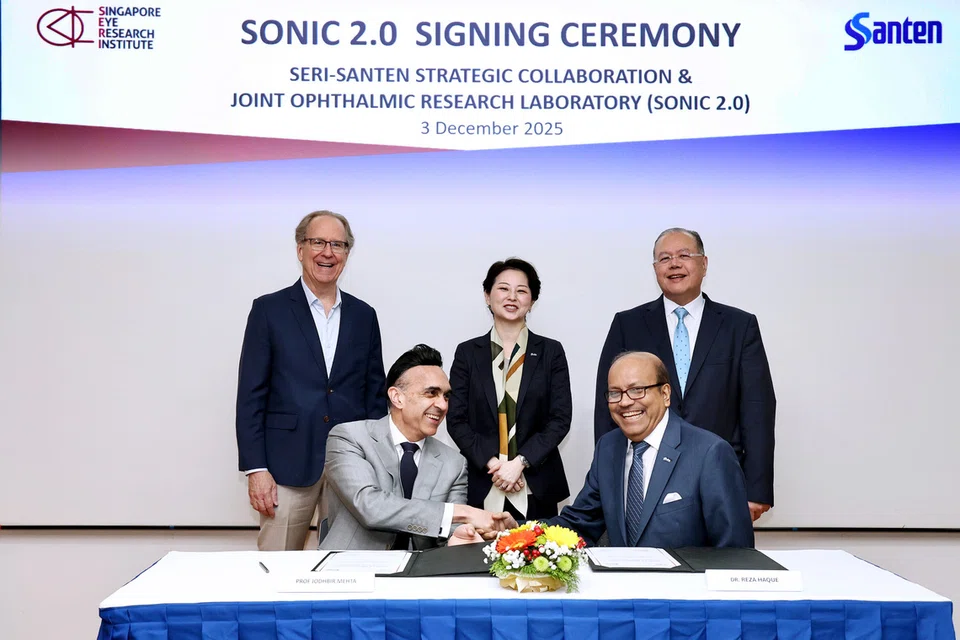
Just earlier this month, he launched SONIC 2.0, in which SERI is expanding its partnership with Japan’s Santen Pharmaceutical through a new S$21 million research collaboration aimed at developing treatments for vision-threatening eye diseases.
When asked how he manages the competing demands of clinical care and research, Dr Jodhbir said: “You have to be time-wise and organised.” He attributed his steadfastness to intentional growth.
In addition to strategic time management, Dr Jodhbir credited his mental discipline and focus, developed through years of participating in competitive sports, as key to his success.
Whether it’s hockey during his medical school years or running marathons and skiing today, Dr Jodhbir puts a premium on calibrating his mental control in high-pressure situations, a skill he applies directly to the operating room. “The ability to run a four-hour marathon is like doing long surgery,” he noted.
Perhaps one of Dr Jodhbir’s most significant accomplishments is his ability to bridge the gap between laboratory research and clinical application.
“We have been lucky with many translational research projects,” he said. “From devices to cell therapy, we’ve been able to take our work from the lab and apply it to patients.”
However, one challenge he noted is the journey from “bench to bedside” – the process of moving scientific discoveries from the research laboratory (the bench) to patient care and treatments (bedside). “It’s not just bench to bedside, it’s patient to bench to bedside and then to the population,” he noted.
As ophthalmology continues to advance, Dr Jodhbir is deeply interested in how artificial intelligence (AI) will reshape the field.
“I think it has a lot of potential in medicine especially in fields that rely on diagnostics and need complex treatment planning. It will free up resources and equalise care in many situations, since AI can synthesise data much faster than humans, but it should free up resources to focus on implantation and delivery,” he said.
He is also keenly aware of the risks that come with new technology. “While AI can be a valuable tool, we need safeguards in place to protect against abuse and fraudulent activity,” he cautioned.
Reflecting on his upbringing in an Indian household, Dr Jodhbir noted the academic pressure that many children of immigrant parents face. “All Asians children face those pressures, my brothers and sisters are all professionals in healthcare, engineering, law or business. I think it can certainly influence your choices when you are young, but it didn’t really narrow choices for any of us.”
Now, with his parents no longer here to witness the fruits of his labour, Dr Jodhbir reflects fondly on their enduring influence. “Now they see things from afar,” he said with a smile. His colleagues however, have had a front-row view of his achievements.
“Jodhbir has been a close friend and colleague for over 15 years, during which I have witnessed his remarkable rise to become an international leader in corneal disease and refractive surgery, as well as a world-recognised clinician-scientist,” said Prof Ecosse Lamoureux, Director, Population Health, and Epidemiology Platform at SERI.
For Dr Jodhbir, impact is measured by the lasting influence he has on those around him – his patients, his colleagues, and his students. “Push and keep on pushing yourself to be the best person you can, this will require change in yourself – so you have to keep on evolving,” he said.