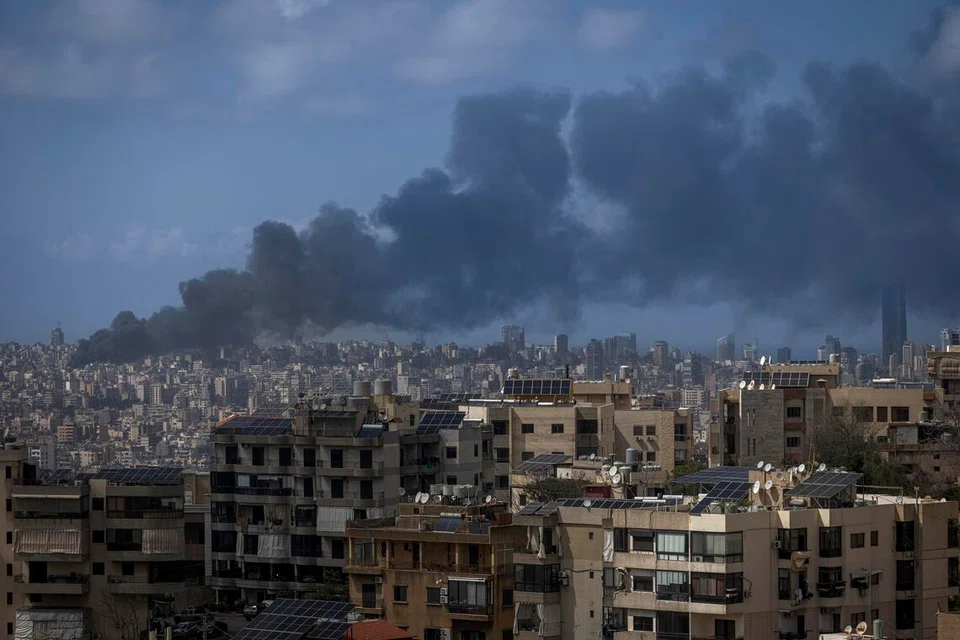

From making fewer trips on the road to limiting the use of air conditioning to conserve energy, Singaporeans are recalibrating their lives to cope with the rising costs brought on by the Middle East conflict.
With the conflict entering its sixth week, Singapore is already seeing higher petrol prices and electricity tariffs.
To help households and local businesses manage the increased costs and the energy crisis caused by the conflict, several support measures were announced in Parliament on April 7 by three respective ministers on the Homefront Crisis Management Committee.
For Mr Mohammed Jahafar, 36, a marketing and communications lead, these measures feel more like a band-aid than a sustainable long-term strategy.
“It certainly helps, but it is not sufficient to defray the already high cost-of-living in Singapore for large families like mine,” said the father of three, adding that “my middle-income salary should ideally be enough to meet inflation and not be reliant on government handouts.”
Though he drives, Mr Jahafar takes public transport to work and reserves his car primarily for school pickups, drop-offs, and family activities on weekends. If the high prices persist, “it impacts the kids the most,” he noted.
“If we consider wants like family holidays or enrichment classes, sports or hobbies – which I strongly believe are essential for the children’s holistic development and well-being – it can be a source of stress and concern,” Mr Jahafar explained.

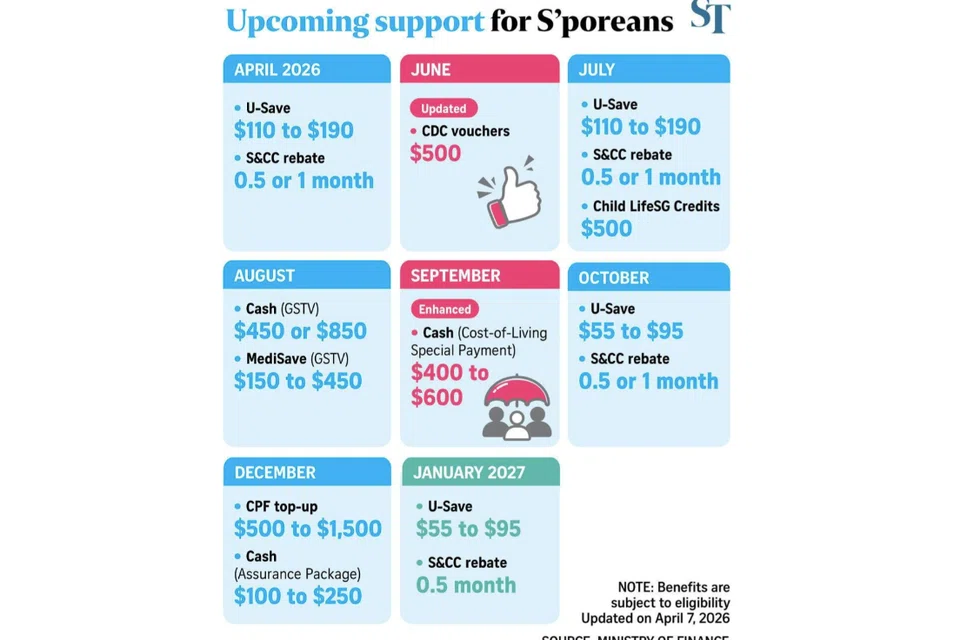
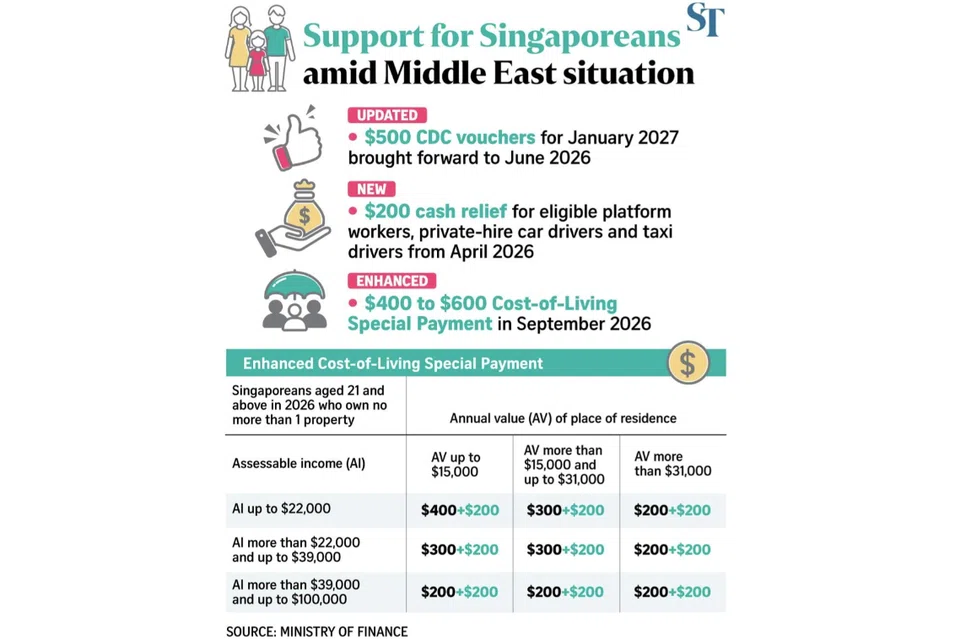
The support measures announced include the earlier disbursement of S$500 CDC vouchers in June 2026. These vouchers were initially supposed to be given out in January 2027.
The Cost-of-Living Special Payment will also go up by S$200 for all eligible Singaporeans – that is, those with an assessable income of up to S$100,000 and who do not own more than one property. About 2.4 million Singaporeans will now get between S$400 and S$600 in cash in September 2026.
Another discussion point is the use of air conditioners, noted Mr Melvin Solomon, 36, an assistant sales manager in the construction industry.
“Singapore is going through a heatwave, so I don’t know how we are going to conserve energy by not using the aircon,” quipped Mr Melvin.
The father of two, who has a four-month-old daughter, echoed that the support measures are helpful to a certain extent, “but once the money is used up, it’s back to square one”.
Coordinating Minister for National Security K. Shanmugam announced in Parliament that Singaporeans should also be prepared for imported food products from certain countries to be unavailable. This news has led some to consider stocking up on essential food supplies.
“My in-laws will shop for groceries every week and buy in bulk. After work, our family will usually have dinner at their place as they are taking care of my daughter as well,” Mr Melvin said.
“We don’t have a choice, we have to try to work together as a family because in Singapore, minimally, we all work five days a week because financially, everyone is affected,” he added.

Active platform workers, private-hire car drivers and taxi drivers will receive S$200 in cash from the end of April, as part of the Government’s support measures to cushion the sharp increase in fuel prices.
Mr Arul Hillary, 67, a Singapore Armed Forces retiree, has been a Grab driver since 2018. He usually makes 10 to 15 trips a day, which he claims has not been impacted much. “To cover the increased cost of petrol, I will just make a few extra trips,” he said.
He appreciates the Government’s support for private-hire platforms like Grab because they play an important part in the country’s transportation system.
“Nurses and doctors who work night shifts, how would they travel?” Mr Arul noted. “I think the Singapore government is on top of the situation, and that they will definitely have a solution as seen during the Covid-19 pandemic.”
His optimism contrasts with that of Mr Andy, a 70-year-old GrabCab driver with about 15 years of taxi-driving experience. He works all seven days of the week, averaging 12 to 14 trips per day. “Some days are better than others,” Mr Andy said.
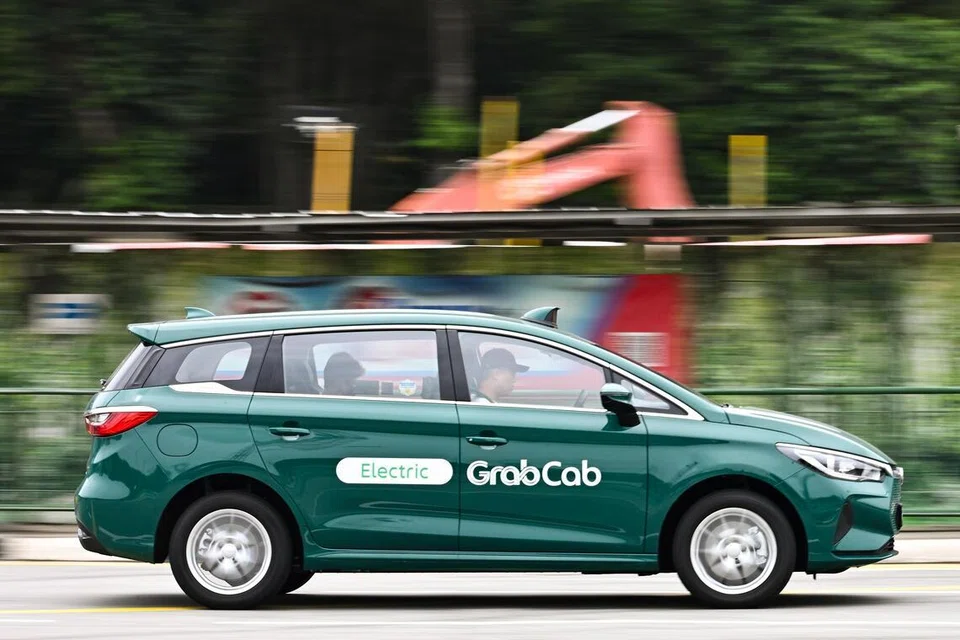
Prior to the conflict in the Middle East, he used to spend about S$70 on petrol each day. With the recent surge in prices, Mr Andy currently refills his tank once every few days, having to cut down on trips to conserve fuel. “The S$200 cash handout would only cover me for three days of petrol top-ups.”
He also has to pay the daily rent to GrabRentals for the lease of the GrabCab car, which can cost around S$100 per day. “It’s about S$3 per litre for petrol now. If it increases to more than S$4, it will be very difficult to earn an income as a taxi driver,” Mr Andy shared.
For businesses, the 40 per cent corporate income tax rebate announced in Budget 2026 will be increased to 50 per cent.
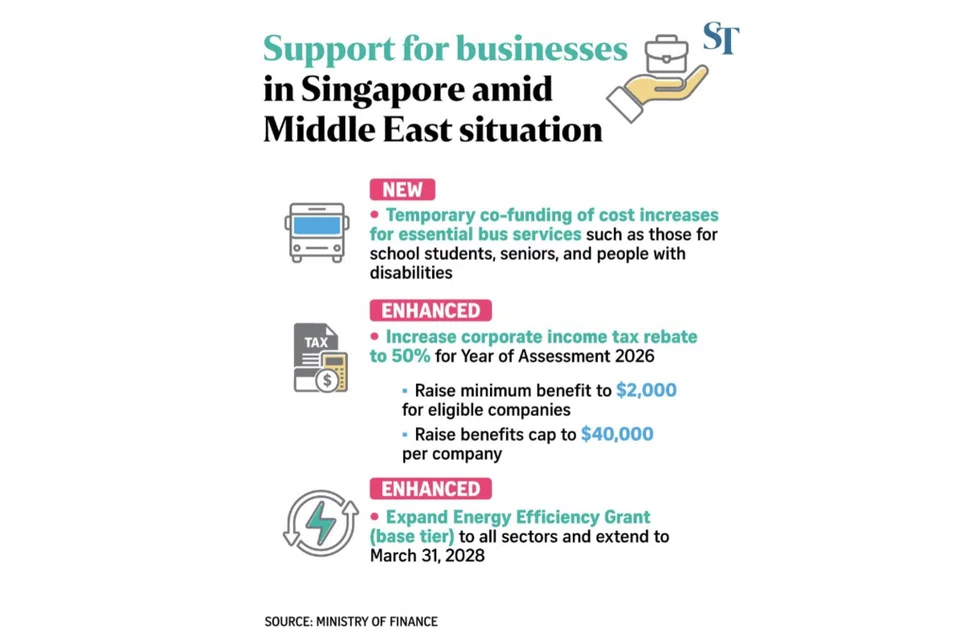
Though the tax rebate will offer some relief, the overall situation for the Singapore shipping industry is gloomy, noted Mr Anuj Sahai, the managing director of T&T Salvage Asia.
“The industry is facing significant disruption from the Iran-US war, marked by skyrocketing bunker fuel prices, suspended routes and increased vessel waiting times. Marine insurers have also begun cancelling war risk covers in certain areas, and imposing surcharges,” Mr Anuj said.
From a youth’s perspective, Ms Shaheera Farook, 22, a political science major at the National University in Singapore, views the conflict in the Middle East as another example of how US-led interventionism destabilises entire regions while ordinary people pay the price.
“The support measures are effective in relieving some anxieties Singaporeans are grappling with. The financial burden and oil shortage were adequately addressed. The only thing missing was a stronger mandate on energy conservation, though that would be difficult to enforce,” Ms Shaheera said.