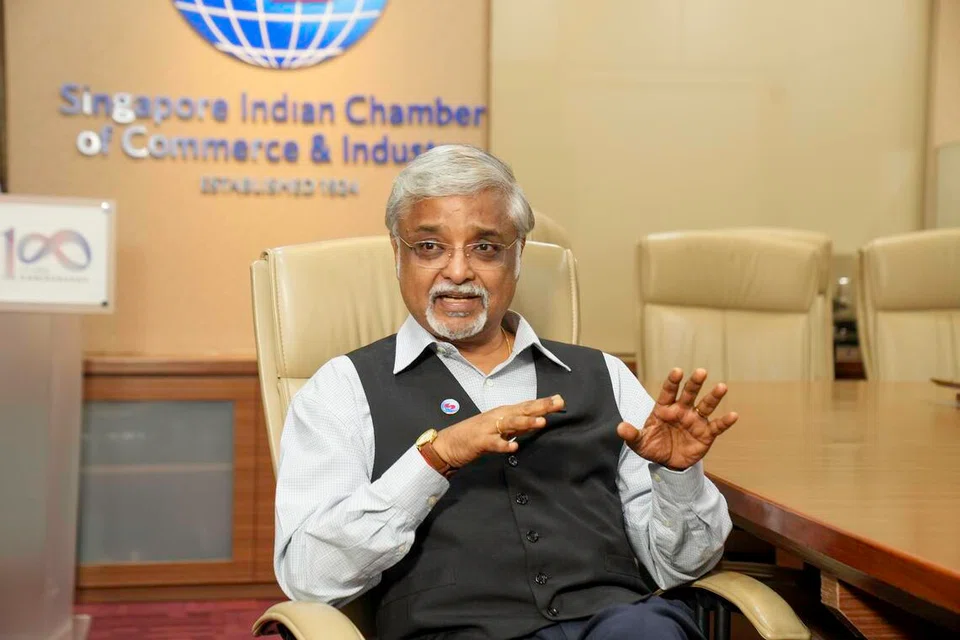

When Pradeep K. Menon took over as chief executive officer (CEO) of the Singapore Indian Chamber of Commerce and Industry (SICCI) on Aug 1 this year, he stepped back into familiar surroundings yet under vastly altered global economic conditions.
Having previously served as SICCI’s CEO from 2003 to 2010, Mr Pradeep brings both seasoned perspective and a fresh blueprint to his second tenure.
While traditional operational headaches like securing funding and accessing markets remain persistent for local small and medium enterprises (SMEs), he points out that today’s rapidly changing business environment demands a brand-new mindset.
Chief among these forces is the relentless march of artificial intelligence (AI) and digital disruption.
“In every era there is technology, but what we are facing today is how fast it is changing,” Mr Pradeep told tabla!. “Before you can come to terms with the current state of technology, it has already changed to something even far more complex.”
Beyond mere survival, the chamber is focused on enabling companies to use technology as a tool for productivity, as an advantage to increase market share and competitiveness, as well as to go beyond the traditional market space, he added.
Moving Beyond AI Anxiety
To shift local SMEs from fear to adoption, SICCI is launching a series of hands-on technology initiatives. Rejecting one-off seminars that leave participants inspired but without practical implementation steps, the chamber is rolling out structured “business clinics” on technology.
Under this programme, members send key personnel to examine real operational challenges, whether in marketing, human resources, or financial management, and directly test AI-driven solutions to solve them.
To remove financial barriers, foundational modules will be offered completely free of charge, with advanced courses available at nominal rates.
“We do not want cost to be a hurdle,” Mr Pradeep noted. “Businesses can go all the way in a very cost effective way, get the benefits, and then come back to us and say they are now utilising technology to their advantage. It’s no more a threat, it’s an opportunity.”
This drive towards digitalisation is already reflected in SICCI’s internal operations. On Aug 1, aligned with Singapore Customs mandates, the chamber fully transitioned its Certificate of Origin (CO) trade documentation services to an electronic platform, offering free clinics to help traditional trade businesses navigate the change.
Capitalising on India’s Growth
Beyond internal technology upgrades, a core focus of SICCI’s strategic roadmap is strengthening cross-border trade, particularly with India’s booming economy.
Over the next three to six months, the chamber plans to elevate its engagement with Indian government leaders, policymakers, and industry networks. It is currently organising targeted trade missions to key Indian states, starting with Tamil Nadu – unlocking commercial opportunities for Singapore-based firms.
Indian enterprises look to Singapore for “rich know-how knowledge” that enhances business productivity in a cost-effective manner while Singapore businesses gain access to vast consumer markets and deep talent pools, Mr Pradeep highlighted.
“It’s kind of symbiotic. India benefits from us, and we too, want to go into India. The market is humongous,” he said. “We want to be part of the growth. We want a slice of the pie.”
India, which saw a 7.8 per cent GDP growth in the first quarter of fiscal year 2026-27, is also a key resource for manpower and talent.
“One of the biggest problems today’s businesses are facing is manpower, talent,” Mr Pradeep highlighted. “Singapore is never going to be able to overcome its talent shortages organically or domestically. We will have to rely on international talent, and India is one of the markets that can continue providing that.”
SICCI also aims to solidify Singapore’s role as a trusted, rule-based gateway for regional capital, including ASEAN investors seeking transparent entry into India’s fast-growing economy.
Nurturing Youth Entrepreneurs
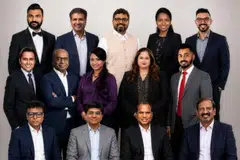
Attracting and guiding the next generation of business leaders is another pillar close to Mr Pradeep’s heart. Driven by its energetic Aspiring Entrepreneurs Network (AEN) subcommittee-led by dynamic board directors Sanjey Chandran Chandroo, Sunil Rai, Prakash Somosundram, and S Mahenthiran – SICCI is seeing a surge of interest from startups.
To support budding founders, SICCI is reviewing its constitution to introduce lower-cost associated membership tiers for young entrepreneurs and overseas companies.
The chamber is also hosting inter-chamber forums to share best practices for startup mentorship and reaching out to local tertiary institutions to offer students hands-on internships and connections with angel investors.
Strengthening Community Roots
While business growth remains central to SICCI’s mission, community upliftment and corporate social responsibility (CSR) are equally vital.
Under the newly launched Indian Engagement and Development Initiative (INEI), SICCI is actively contributing to the business and economic pillar.
Working alongside SINDA and other Indian community organisations, the chamber is enhancing career resilience, talent matchmaking, and financial empowerment for youths aged 15 to 35.
“We bring our commercial expertise to the table,” Mr Pradeep noted. “Through internships, career clinics, and mentorship, we want to help our community members build long-term capability. We are helping people find careers, but more importantly, we want to cultivate the job creators of tomorrow.”
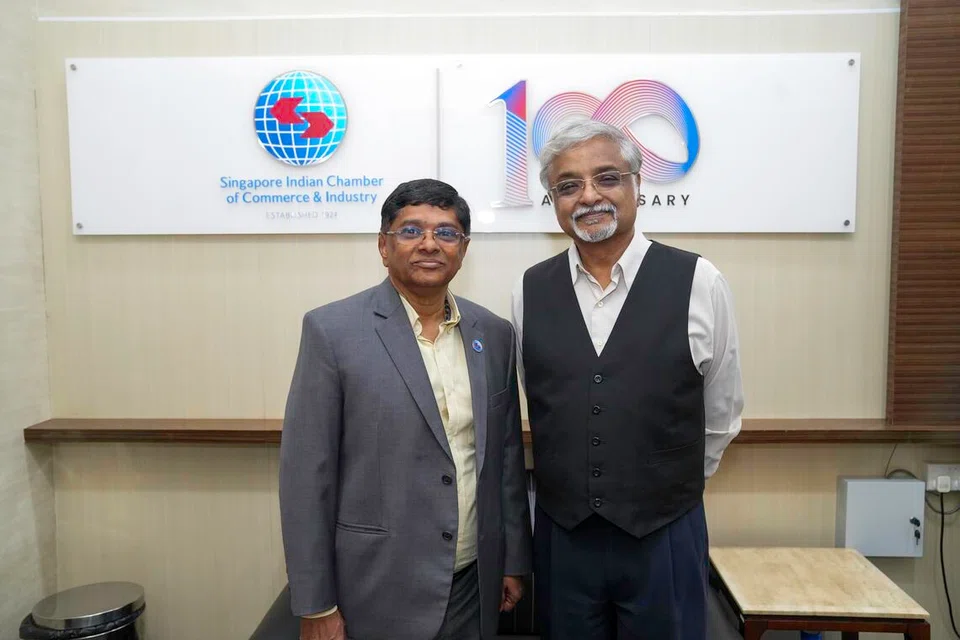
When Mr Rajakumar Chandra assumed the chairmanship of SICCI in July following the board elections, filling the vacant CEO position was a top priority. Rather than conducting an extensive external search – which typically leads to a six-to-twelve-month onboarding gap – Mr Rajakumar sought immediate stability and proven leadership.
His search led to Mr Pradeep who has worked under three different chairmen with varying directions and brought the chamber to great heights.
“I really thought we needed someone who knows SICCI better than anyone else,” Mr Rajakumar said. “Beyond his deep experience with Indian businesses and trade associations, Mr Pradeep brings a soft-spoken, highly articulate approach that commands respect and builds strong relationships within the Secretariat and across the broader business community.”
As global trade patterns grow more regionalised and complex, Mr Pradeep’s vision for SICCI blends resilience with adaptation – building what he terms “business immunity” while ensuring Singapore Indian businesses remain agile, tech-savvy, and connected to regional opportunities.