My wife and I were leaving a temple one evening when an elderly Bengali couple approached us. They were from Kolkata, visiting their son and daughter-in-law who were working in Singapore. They said they would return to Kolkata after a month in Singapore.
Unfortunately, we forgot to exchange phone numbers, so we lost track of them.
I can only imagine how they spent their time in Singapore: Sightseeing, shopping and meeting their son and daughter-in-law’s friends – that’s typically what parents do when they visit their children abroad.
I wonder if shopping in Singapore still holds the same appeal for Indian visitors as it did in the past.
When I first arrived here in 1988, the late Lee Kuan Yew was prime minister. The MRT system covered only a small area, and Orchard Road had fewer shopping malls.
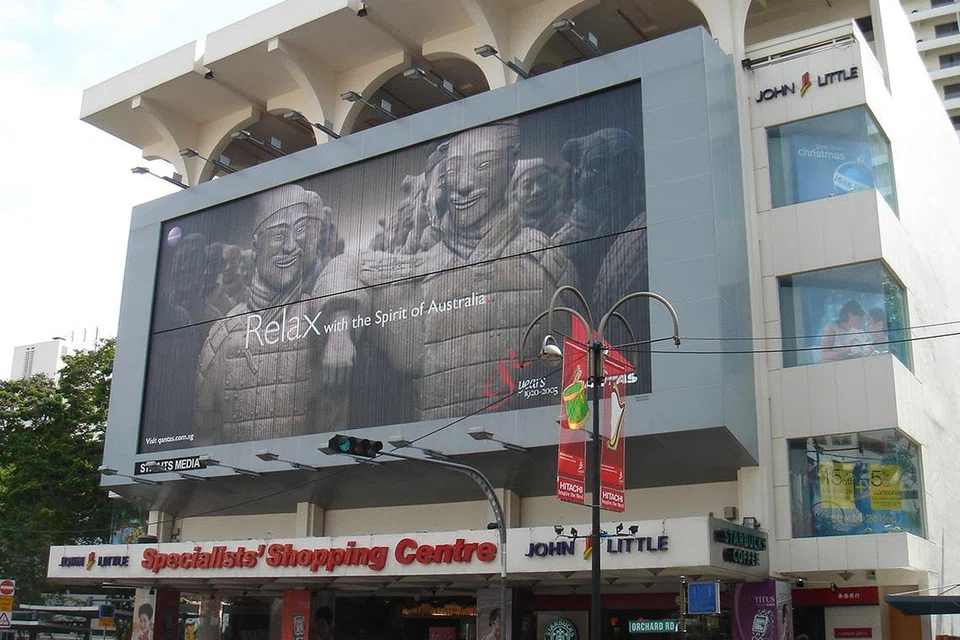
The Specialists’ Shopping Centre – the oldest mall in Orchard Road – was a popular hunting ground for tourists, especially the John Little store which sold bargain goods and winter clothing.
The modest-sized mall stood opposite Centrepoint, then the most prestigious mall, which housed Robinsons, Marks & Spencer and my favourite weekend haunt, Times Bookstore.
There was no Paragon or Ngee Ann City, just Tangs and Lucky Plaza at one end and Plaza Singapura at the other. Yet, Orchard Road was just as busy as it is today.
Meanwhile in Little India, shoppers lugged around shiny suitcases, flitting in and out of old shophouses and hunting for bargains along the Serangoon Road stretch that flaunted all kinds of merchandise.
There was no Little India Arcade then, and people used pagers instead of handphones. But perhaps the most significant change for me is the absence now of Indian tourists lugging video cassette recorders (VCRs) and video cassette players (VCPs). Those were the must-buy items back then.
For such big-ticket items, they flocked to Mustafa, which was then located in Serangoon Plaza, a building now replaced by Centrium Square. Today, Mustafa thrives in its own expansive Mustafa Centre on Syed Alwi Road, just a stone’s throw away. The old Mustafa, though smaller, was always bustling with shoppers, especially Indian tourists eager to buy everything from Sony TVs to Lindt chocolates.
Departing passengers at Changi Airport often carried packages containing audio and video equipment, items reputedly cheaper in Singapore than in India. Some of them bought in bulk and were likely couriers for shops selling foreign goods in India. India had strict import restrictions back then, but markets like Kolkata’s Fancy Market specialised in foreign products.
Today, Kolkata boasts upscale malls with luxury brands, and Indians no longer need to shop abroad for electronics or luxury goods.
Yet, around the world, tourism boards, hotels and restaurants are constantly competing for Indian travellers, especially in the Middle East and South-east Asia, says The Economist. Vietnam is a growing destination for Indian tourists, while Singapore, Thailand and Dubai remain popular.
Indians mostly saw foreign lands in movies back then. Who remembers Shammi Kapoor and Sharmila Tagore in An Evening In Paris or Joy Mukherjee and Asha Parekh in Love In Tokyo? These old Bollywood blockbusters linger in the memories of senior citizens who recall a different India and a different Singapore, when accounts were kept in ledgers, typists typed on typewriters, stenographers took dictation in shorthand and nobody owned a cell phone.