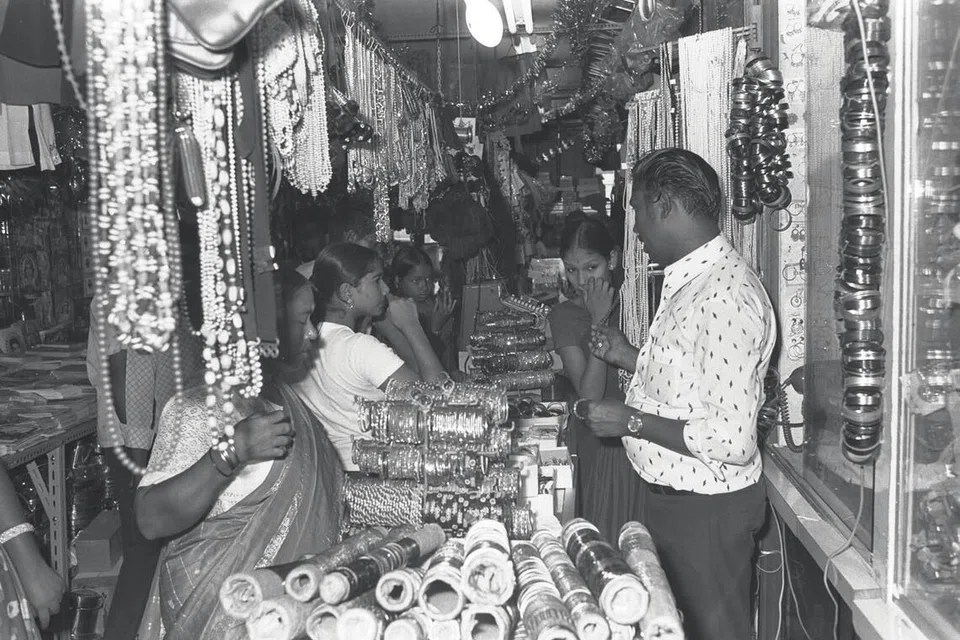


Once, they arrived with a soft rhythm, the Valayal Chettys, wandering vendors with wooden boxes slung across their shoulders. Inside lay rows of glass bangles, shimmering in reds and greens, waiting to circle a wrist and complete a story.
In Singapore’s Indian homes, bangles were never mere ornaments; they marked life, femininity, and continuity. Ancient Tamil poetry reflects this symbolism, where slipping bangles signify longing and emotional fragility. In daily life, too, bangles trace life’s passages – marriage, motherhood, and festivals, each colour carrying quiet meaning.
Even the late Indian political activist and poet Sarojini Naidu captured their essence: “Lustrous tokens of radiant lives, for happy daughters and happy wives.” Across generations, bangles have carried poetry within their delicate circles.
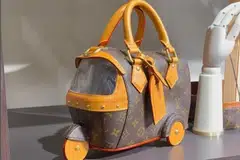
Today, that poetry has found new expression. In Singapore’s fashion circles, bangles are experiencing a bold resurgence. No longer fragile glass loops, but chunky, sculptural pieces made of resin, metal, and wood. They are worn not for tradition, but for expression. The language has shifted: from symbolism to style, from custom to choice.
Yet, behind this revival lies a troubling silence.
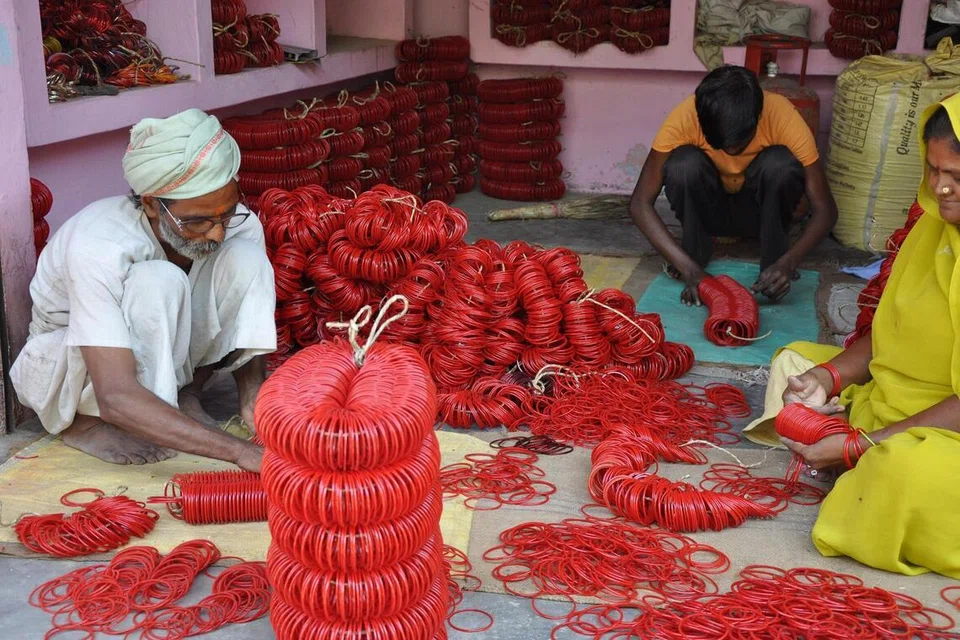
In Firozabad, India’s famed “Glass City”, the furnaces are dimming. For over 200 years, this town has produced glass bangles, accounting for more than half of India’s output and supporting hundreds of thousands of livelihoods.
Today, that ecosystem is under severe strain. Disruptions in natural gas supply, driven by geopolitical tensions, have cut fuel availability, causing production to drop sharply. Exports have declined, and many small units have shut down.
The crisis is not merely industrial – it is human. Entire families depend on this craft, even as concerns about unsafe conditions and child labour persist. When furnaces go cold, it is not just output that declines, but inheritance that fractures.
Closer to home, however, the story still glimmers.
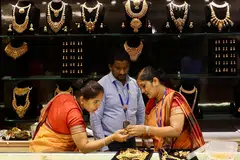
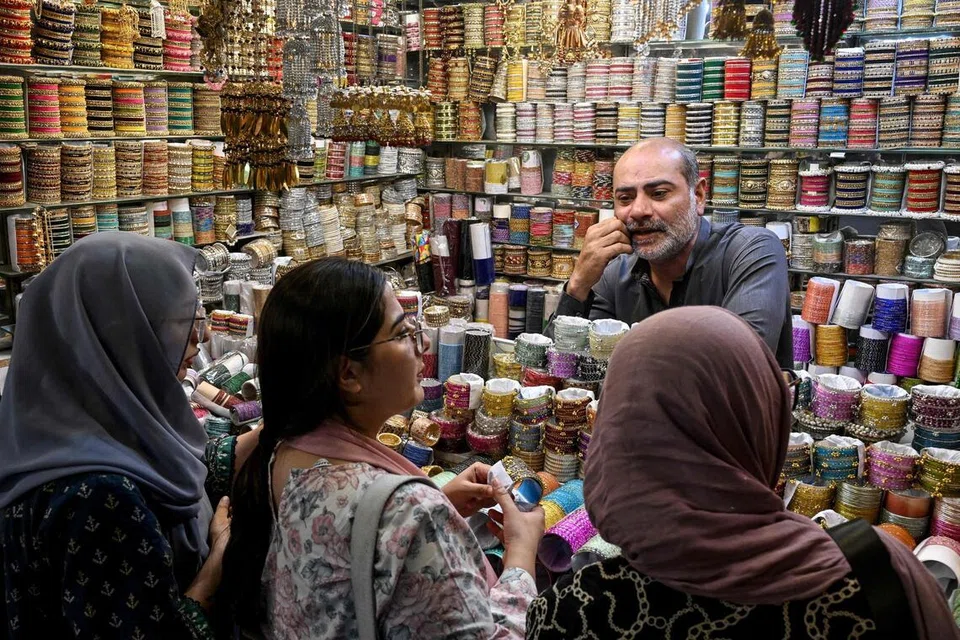
In Little India, shopfronts dazzle with cascades of bangles. During Deepavali and wedding seasons, demand surges, sustained by Singapore’s Indian community.
In places of worship such as Sri Sivan Temple, the Goddess during the Tamil month of Aadi is adorned with 10,000 bangles offered by devotees, symbols of fertility, prayer, and auspiciousness. Here, the bangle is not fashion, but faith.
This contrast is striking: while global fashion celebrates revival, diasporic spaces preserve ritual meaning.
Perhaps this is the paradox of our times: heritage thrives in display, even as its roots weaken in silence.
The journey of the bangle, from the Valayal Chetty to the global runway, reminds us that culture transforms as it travels. But it also depends on fragile ecosystems of labour and tradition.
If the furnaces of Firozabad fall silent, the loss will not be merely economic. It will be felt in the fading of skill, the thinning of tradition, and the quiet disappearance of a cultural language expressed in glass and colour.
The next time we hear the gentle clink of bangles, it may be worth remembering the hands that shaped them and the uncertain future they now face.
For when the bangles fall silent, something far more profound is at risk: the continuity of a living heritage.
Ms Rhama Sankaran is a freelance journalist.