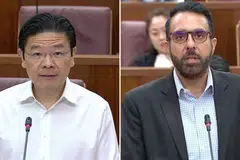
In a city-state where governance is treated with rigour and measured by outcomes, few subjects ignite as much debate as political salaries. As Parliament debated the latest review of political remuneration on Sept 10, Prime Minister Lawrence Wong noted a practical truth: there will never be a “politically convenient time” to adjust political salaries.
With fixed benchmarks frozen for 15 years, Singapore’s fundamental question has never been whether to adjust these figures, but when and how to do so responsibly.
Singapore’s political compensation framework operates on a “clean wage” model with no hidden perks, official residences, or post-office pensions. The system intentionally applies a deliberate 40 per cent discount to private-sector market rates, ensuring that the ethos of public service remains front and centre.
In addition, 35 per cent of a minister’s pay also remains variable, directly tied to national and individual targets. The system is built on accountability; when the country performs, leaders are compensated. Tighter targets mean those variable components are earned, not guaranteed.
Critics often point to comparisons with foreign counterparts, but contrasting Singapore’s model with other nations is rarely an apples-to-apples exercise. Local leaders are expected to act simultaneously as effective politicians, executives, and long-term strategists.
As Minister Chan Chun Sing highlighted, the Cabinet’s ultimate test isn’t just firefighting current crises, but preventing those fires from starting in the first place. This responsibility requires drawing from a broad pool of proven talent.
This ethos extends to MPs maintaining full-time professional careers precisely to bring real-world, diverse perspectives into parliament. Their allowances exist specifically to support ground-level constituency work, and acknowledging the real-world realities of inflation and living costs is simply practical.
Governance requires perspective. In a complex global landscape, maintaining one of the world’s most effective, low-corruption governments depends on ensuring the financial hurdle of entering politics isn’t insurmountable for those ready to serve.
The focus must remain on the larger picture: securing the strongest possible leadership team to safeguard Singapore’s future.