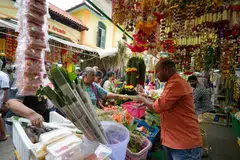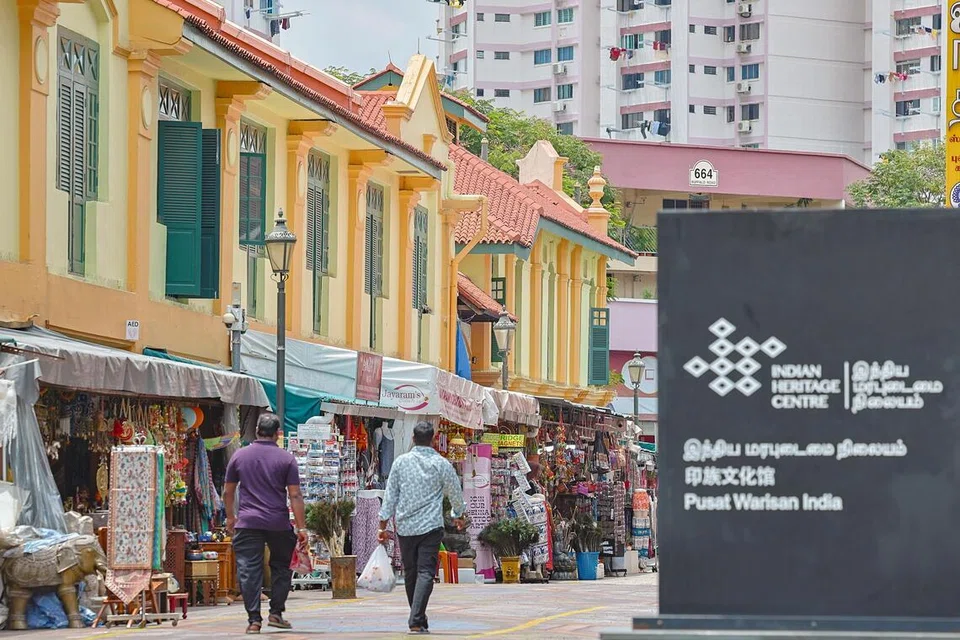
The stretch from Tekka Market to Mustafa Centre stands in stark contrast to the glossy, super-clean city Singapore is known for.
The place is noisy, raucous and vibrant. The eating joints offer food for nearly every taste and smell, with nearly every state of India fighting for attention.
Little India has come a long way from being a haunt of workers from India and Bangladesh.
Three waves of migration have made an impact in different ways. The British created the first wave when the colonial power brought in workers from India to build our earlier structures, like City Hall, fighting for attention with buildings like the spanking Esplanade. Then came Wave 2, with a newly independent Singapore on a building spree and HDB flats taking centre stage.
The third wave is what we are seeing now. It is a very different phase, bringing in people who are smarter, more confident, and topping up our economy by filling jobs that the new world demands.
You have to go to the city centre and places like Changi Business Park and Meyer Road to see and feel the transformation. Both places are teeming with Indian expatriates who want Singapore to be their home. And Little India gives them the feeling that they are not far from their hometowns.
This group is adding a new flavour to Little India with upmarket restaurants, jewellery shops, and flower shops fighting for retail space in a crowded and squeezed area.
Rents and property sales are hitting new highs. I asked a flower shop owner who has a tiny table space on a walkway outside a restaurant on Serangoon Road. He replied without batting an eyelid: S$3,000. He has been a regular face there for a few years, which only means the space has been making money.
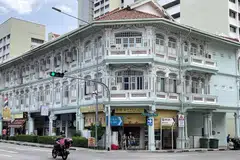
Shophouses are becoming a hot property. The area was the top performer with S$183 million deals struck last year, making up 25 per cent of Singapore’s shophouses changing hands.
A walk on the side streets, like Desker Road and Dunlop Street, will show a never-before-seen Bohemian lifestyle creeping in as backpacker hotels and watering holes add a new heartbeat to the area.
These changes give Little India a cool, hip image and have contributed in no small measure to what it is today.
The government has helped by keeping the shophouses intact and not sending in bulldozers to wipe out the old stretches that provide the setting for the old Singapore that many cherish. The Chinatown lesson was learnt.
The transformation of Little India has made my august life a little more pleasurable, a little more peaceful. It is a go-to place at least two times a week. Breakfast at Suriya is a must.
The crunchy vada is the best I have tasted, and the coconut chutney beats the taste at any other eating joint here and in Tamil Nadu.
Walk in there, and the smell of Chennai pervades the air.
The rambunctious Sunday crowds turn off many, but I have begun to enjoy the atmosphere as I go people watching.
They are generally well-behaved, ever ready with answers to my questions about their families back home in India, the jobs they do in Singapore, and how they spend their time here.
Language is a leveller as they melt when I talk to them in Tamil, and they respond: Oh, you can speak in my language.
I have begun to have withdrawal symptoms if I don’t walk down Serangoon Road and the little streets that take you to a Singapore of your childhood days.
PN Balji is a veteran journalist and media consultant with over 40 years of experience. He is the former editor of The New Paper and TODAY, and the author of the book Reluctant Editor.