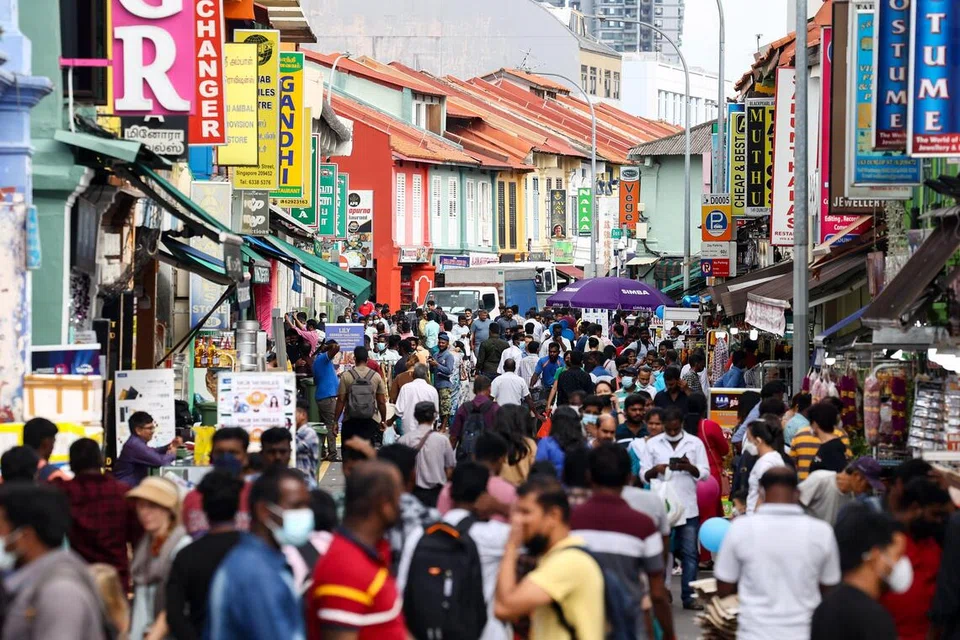
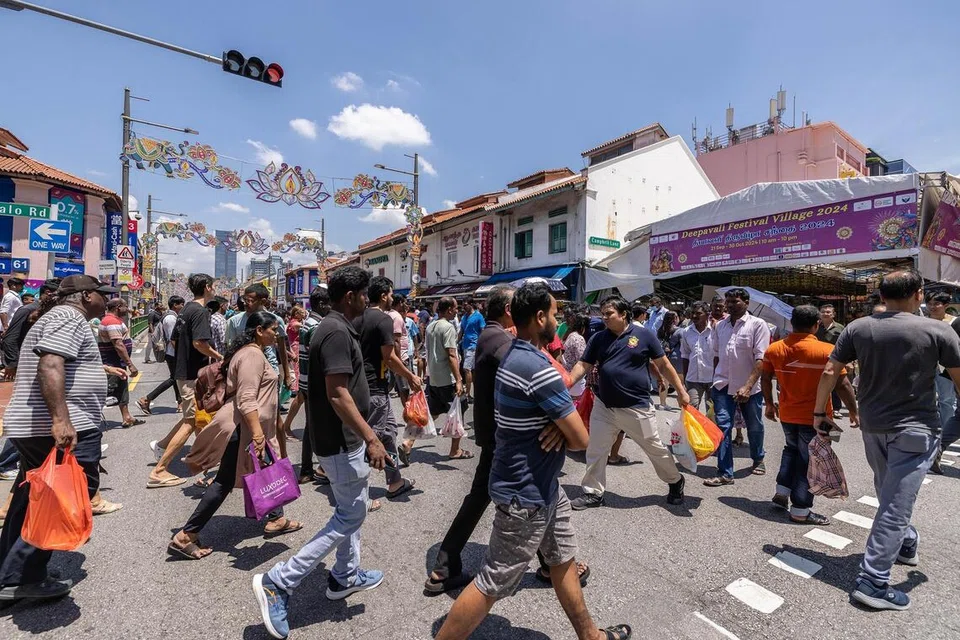

Among the grand classics of Singaporean complaints – alongside soaring prices, MRT delays and the almost daily “Why so hot ah?” versus “Why suddenly raining?” – one grievance towers majestically above the rest: “Singapore has gone foreign!”
As one online commenter dramatically declared: “So many foreigners that I feel like a visitor in my own country!”
Naturally, the internet reacted in the only way the internet knows how: with outrage, agreement and the occasional witticism.
One particularly sharp commenter replied: “Good what. Save money. No need travel overseas to feel like tourist.”
That is Singaporean logic at its finest. Yes, why spend thousands touring ASEAN when you can hear six languages, buy products from 20 countries and savour 11 cuisines at Lucky Plaza at a fraction of the cost?
Of course, Singaporeans are hardly alone in this complaint. Around the world, almost every country seems convinced it is being “taken over” by outsiders.
In the United States, politicians win elections by saying “close the border” every five minutes while promising to build walls so massive they could probably be seen from space.
In Britain, some lament that London no longer feels British because more Polish, Arabic, Hindi and Mandarin are heard on the Tube than the King’s English.
Ironically, many of these complaints are voiced by English folk while happily queueing for chicken tikka masala.
Australians complain migrants are driving up housing prices. Canadians say newcomers are changing neighbourhoods too quickly.
Then, the Italians worry about migrants crossing the Mediterranean, conveniently forgetting that Italians themselves once migrated enthusiastically to every continent offering jobs, sunshine or pizza ovens.
Human beings are fascinating creatures.
When our ancestors migrated, they were “brave pioneers seeking opportunity”. When other people migrate, civilisation is apparently collapsing.
Singapore’s case is especially amusing because we are essentially a nation assembled from immigrants, traders and adventurers who probably arrived a century ago saying: “This place not bad ah, maybe can make money.”
If most Singaporeans trace their family histories far enough back, they will eventually discover an ancestor arriving by boat with little more than a change of clothes.
Yet, today, some Singaporeans glare suspiciously at newcomers before heading off to eat Korean ramen, drink Taiwanese bubble tea, binge-watch foreign-made Netflix dramas and queue an hour for croissants.
To be fair, some concerns are perfectly legitimate. People worry about overcrowded trains, rising rents, job competition and whether social integration is keeping pace with immigration.
Those are serious issues deserving thoughtful discussion. But sometimes the complaints become unintentionally hilarious.
There are Singaporeans who complain that “foreigners are everywhere”. Curiously, this shocking discovery is usually made in Orchard Road, Marina Bay Sands or Sentosa.
Aiyah, these places were specifically designed to attract foreigners.
Complaining about tourists there is like visiting the zoo and expressing surprise that animals are present.
One online commenter sensibly pointed out: “If there are no visitors and foreigners, do you expect our economy and F&B sector to survive?”
Exactly.
Singapore spent decades and billions marketing itself to the world. We built Changi Airport, convention centres, integrated resorts and universities precisely so people from everywhere would come here.
It would be rather awkward if nobody showed up.
Perhaps the deeper truth is this: modern cities everywhere are becoming giant cultural hubs. But that hardly sounds like the downfall of civilisation.
After all, if Singapore ever truly became empty of foreigners, many of us would probably panic and ask: “Eh… where’s everyone? Economy okay or not?”