
I have been procrastinating. Not a day, or week, or month, but for several years now.
Finally, I relented. We had to renovate our home. Nothing dramatic, just the basics.
The contractor gave very clear instructions, keep whatever you need, and the rest will be taken away by our team to be discarded, thrown away, destroyed.
I didn’t even know where to start. Just the idea of opening those overflowing drawers, the wardrobe with sarees which belong to me, my mum and even a couple of Maharashtrian paithanis that were my grandmothers.
And the dedicated cupboards for the children as they were growing up, the first drawing of my daughter, my son’s first ugly clay pot, their yearbooks from school. For each and every year! I did ask the kids to take them. Their memories too. They shrugged.
Mum, they’re for you, they said. Please don’t throw them away. Keep them!
I even found my old school autograph book. Do kids even use autograph books anymore? There were theatre programmes from productions so old that half the cast are now grandparents. My dad’s pocket watch, which I had tried to get working, could not, but was still there.
Birthday cards. Letters. Photographs. An ancient address book containing telephone numbers of people who have either moved, vanished or passed on to a better telecommunications network or just passed on. I desperately called the contractor. We needed to postpone the “we are going to clear everything” date.
“Why are you keeping all this?” a practical friend asked. Because I am a daughter, because I am a mother, because I am Indian. We do not throw things away. We merely relocate them.
An object moves from the living room to a cupboard. From the cupboard to a drawer. From the drawer to a box. From the box to the storage. And eventually, when nobody knows what it is anymore, it achieves the status of family heirloom.
I don’t know if my mother belonged to that school of thought. But it was just the way we lived. Nothing was ever discarded because “it might come in useful”.
Useful for what was never entirely clear.
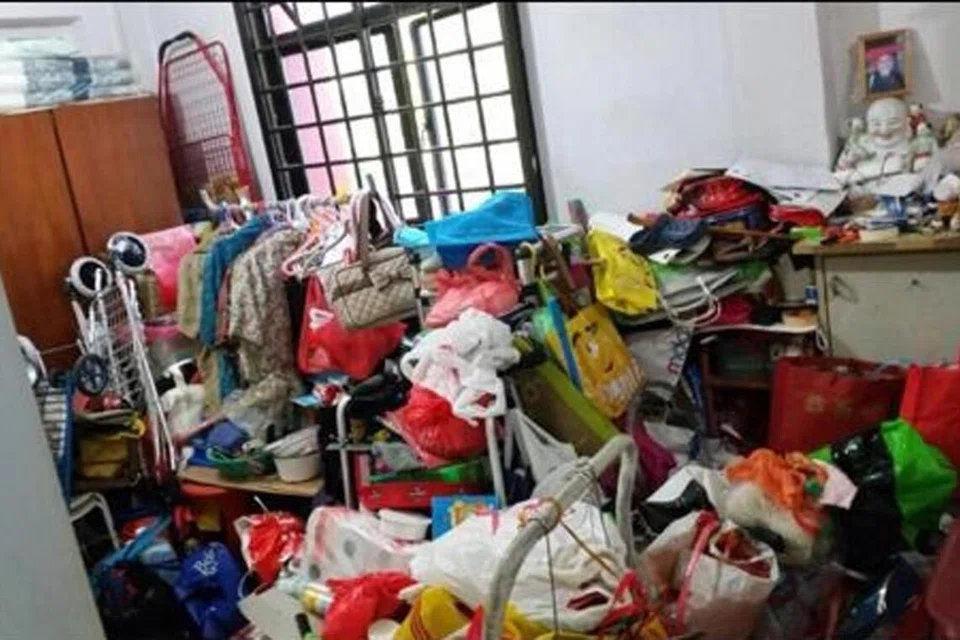
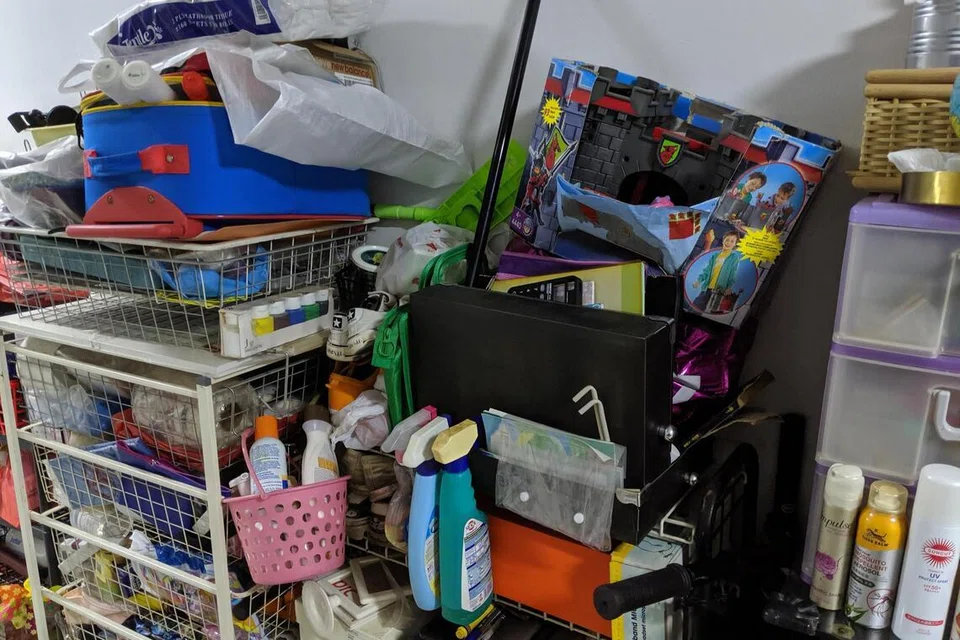
At any given moment, mum possessed enough empty plastic containers to survive an apocalypse. Every rubber band had a future. Every glass jar had potential. Somewhere in the house lurked a mysterious bag filled with smaller bags.
Even today, opening a cupboard in an Indian home feels like an archaeological expedition.
Layer One: Current civilisation.
Layer Two: Clothes that were for a waist that does not exist anymore.
Layer Three: Spectacles with their cases intact from prescriptions that belonged to several versions of my eyesight years ago.
Layer Four: The Gupta Empire.
Yet, I understand the impulse to hoard. These were not merely objects. They were my little anchors.
A theatre bill is not paper. It is a memory of opening night of plays seen all across the world. A faded photograph is not a photograph. It is proof that my aunt who has Parkinson’s now once looked like a Bollywood star.
A ticket stub of Rajesh Khanna’s film is evidence that, for two hours on a Tuesday evening years ago, I was at Lotus cinema in Bombay. And I had bought the ticket at the black market.
A flyer with the racially diverse team of the sitcom, Under One Roof, with the young me smiling in it, a reminder that we are still same same but different.
The strange thing is that we become increasingly attached to these objects as we get older. Perhaps because they contain versions of ourselves.
The young actor.
The new parent.
The ambitious dreamer.
The person who still believed knees were indestructible.
Throwing away the object can feel alarmingly close to throwing away the person.
Of course, while we cling fiercely to broken watches and old birthday cards, modern life keeps urging us to “let go”.
Declutter. Simplify. Minimise. Marie Kondo!
There are entire industries devoted to convincing us that happiness lives inside an empty drawer. I admire these people. From afar.
But I am wondering: If we’re so determined to simplify our lives, why do we start with objects? Why not begin with people?
Now, before you gasp, I am not suggesting we place irritating relatives on Carousell. Although I suspect there would be interest.
“One uncle. Slightly used. Repeats the same story at every family reunion dinner. Collection only.”
The truth is, every one of us carries people we would happily declutter. The friend who betrayed us. The colleague who undermined us. The relative who never misses an opportunity to criticise.
Unlike old furniture, however, people do not leave quietly. Even after they are gone, they remain.
In our conversations.
In our habits.
In our wounds.
In our stories.
And then there are the arguments.
The grudges.
The slights.
The ancient offences we continue to carry around like family antiques.
Some of us have resentments older than our grandchildren.
We dust them regularly.
We display them proudly.
We know every detail.
Ask us what happened in 1987 and we become astonishingly sharp.
It’s remarkable.
We forget passwords, anniversaries and why we entered a room.
But we remember exactly what someone smirked about, at a wedding 39 years ago.
Perhaps the hardest things to throw away are not people but our feelings about them.
The anger.
The disappointment.
The need to be right.
The fantasy that one day they will realise how wrong they were and arrive at our doorstep carrying flowers and an apology.
Life rarely provides such tidy endings. So eventually we face a choice. Not whether to keep the person. But whether to keep carrying the weight.
I think that is what age teaches us, if we are paying attention.
You cannot keep everything.
Not every object.
Not every grudge.
Not every version of yourself.
At some point, wisdom is simply learning what deserves shelf space.
The old photograph? Keep it.
The letter from someone you loved? Absolutely.
The theatre programme that reminds you of a magical evening? Why not?
But perhaps the resentment that has been sitting in your heart since 1984 can finally be sent to recycling.
The cupboard of life is only so large. And the older I get, the more I realise that the most valuable things take up no space at all.
A kindness.
A friendship.
A memory that still makes you laugh.
A voice you miss.
A moment of love.
Everything else is just storage.