
So here we are in 2026, armed with smartphones, artificial intelligence and a gnawing suspicion that the future is arriving faster than it is supposed to.
The new millennium began with almost heroic optimism. The internet would make us smarter. Globalisation would make the world richer. Mobile phones would connect humanity in meaningful ways.
Instead, we now use our smartphones largely to film car accidents and strangers behaving badly in public.
We get embroiled in online squabbles with people we have never met and watch cats fall off tables on TikTok repeatedly, for reasons no anthropologist has yet explained.
Social media promised intelligent conversation. What it delivered was overwhelming proof that many people have absolutely no hesitation in sharing their opinions, even when these are spectacularly ill-informed.
Wisdom did not rise to the top in our brave new millennium. The opposite of wisdom did. The century also began violently. The September 11 attacks shattered the comforting illusion that the world was settling down nicely.
Airports were transformed into temples of ritual humiliation: Shoes off, belts off, liquids confiscated. Travellers stood obediently with arms raised as handheld scanners decided whether they were threats or merely had too much iron in their blood.
Security became a global obsession. CCTV cameras sprouted everywhere, quietly watching as people went about their lives.
Before we could catch our collective breath, the pandemic arrived. Within days, people developed an urgent need to hoard toilet paper, as though survival depended on it.
Everyone also became a medical expert overnight, confidently debating vaccines despite many having failed secondary-school science.
We learned new phrases: “circuit breaker”, “essential services”, and the deeply humiliating “You’re on mute”.
We dutifully scanned TraceTogether at malls, hawker centres, and hospitals until one fine day it quietly vanished, as though it had never existed at all.
Technology, meanwhile, marched on relentlessly. Cars went electric. Work went remote. Robo-cleaners, robo-waiters and robo-ushers appeared, doing their jobs diligently and without complaint.
Artificial intelligence, once the stuff of science fiction, now writes, translates, diagnoses, and creates, while raising uncomfortable questions about jobs and why a child’s completed homework suddenly sounds like a PhD thesis.
Information became astonishingly accessible. Unfortunately, so did misinformation. Truth became negotiable, and “alternative facts” entered everyday conversation.
Climate change, once filed neatly under “future problems”, arrived ahead of schedule. Heatwaves, floods, and erratic weather made it clear that seasons are now more like vague suggestions.
Even Singaporeans – famously “bo chap” (Hokkien for unconcerned) about most things except food and shopping – have started discussing the weather with genuine concern.
Culturally, the past 25 years have also been one long, loud conversation about fairness, gender, and environment. Things once whispered are now debated fiercely online, often by netizens with colourful usernames like RealTruthSeeker99 and Factfinder88.
Meanwhile, scammers became smarter, faster, and richer.
In Singapore alone, more than S$3.4 billion has been lost to scams since 2019. In just the first 11 months of 2025, losses crossed S$840 million.
Despite anti-scam apps and pop-up warnings, scammers remain stubbornly successful.
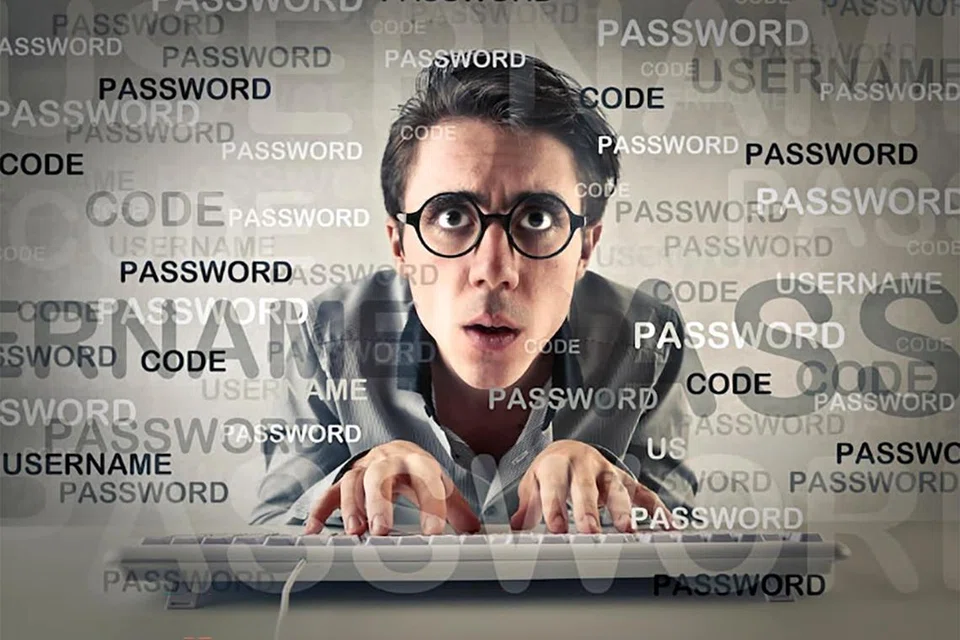
As a result, even our passwords had to evolve. No longer could we rely on “123456” or “password123”.
We have been warned against using dictionary words and names of products or organisations.
Also, our passwords had to be completely different from previous ones and include at least one capital letter, a lowercase letter, a number, a symbol, and possibly a blood sample (just kidding).
Suggestions from the experts include Mj#wIpcsw!73 and cXmnZK65*rf. These passwords are guaranteed to baffle scammers, hackers and, alas, even users like us.
Worse still, we will be expected to change them every three months because “security requirements have been updated”, yet again.
Technology, we have learned, empowers us even as it monitors, confuses, and exhausts us.
So here we are, 25 years into the 21st century: More connected, more capable, and better equipped, yet also more anxious, more vulnerable, and more uncertain than ever before.
The next 75 years promise even faster change and greater disruption. The only certainty is that we will complain loudly and carry on obediently.
While humanity may not always be wise, it is remarkably resilient.