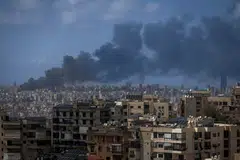
It has been two months since the bombs rained on the Middle East. The visuals of destruction and death are there for all to see on TV news bulletins. We read of our neighbours who battle long queues at petrol stations and punishing price hikes for bare essentials.
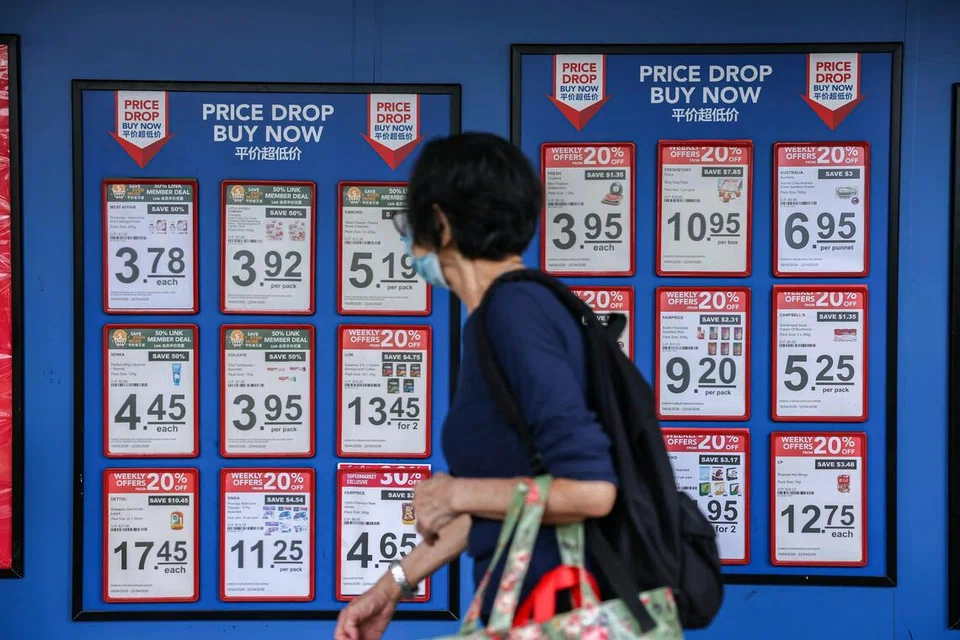
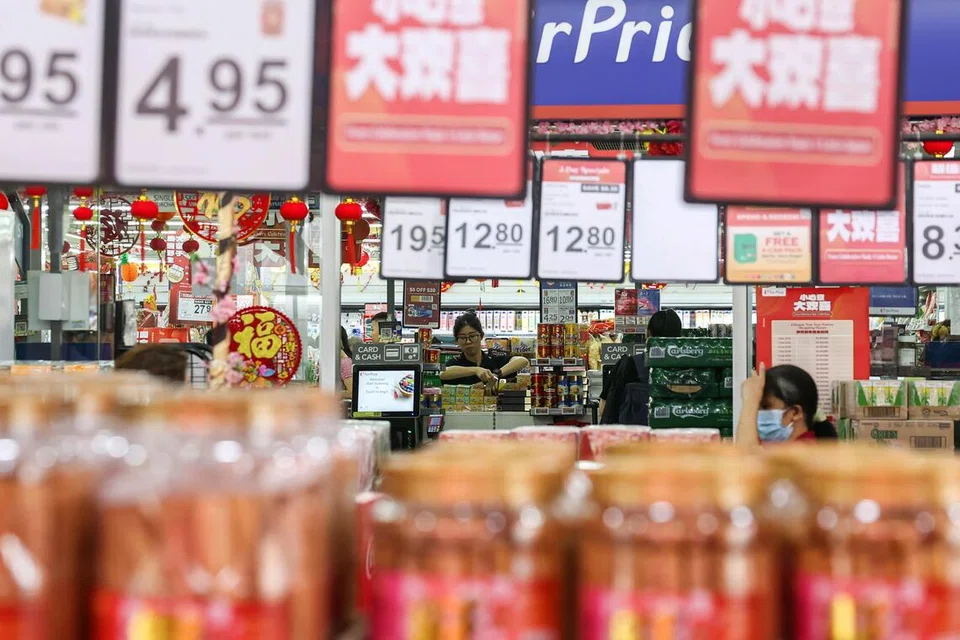
But Singapore looks and feels like an oasis. No queues, no outburst of anger, though petrol prices have gone up by 20 per cent and the cost of hawker meals has moved up by S$1.
I checked with my helper, who said her fortnightly spending at the wet market is S$70 more. She could have gone to the FairPrice supermarket, which says it has frozen prices at its outlets. That is another story to be told another time.
Despite the occasional outburst on social media and during coffee sessions, Singaporeans have taken it on the chin, going about their daily lives with an air of resignation and looking ahead to the vouchers the government has promised.
Perhaps, just perhaps, Singapore has blunted the harsher effects of the war because of the way it plans judicially for crises.
The leadership here is known for its obsession with preparing for bad times. A siege mentality has been drummed into our heads by leaders like Lee Kuan Yew from the day Singapore became an independent country. A small country’s survival, especially in a troubled world, is never guaranteed.
That DNA baton, honed to perfection, has been passed to succeeding generations with purpose, passion, and fervour.
As a jingoistic President Donald Trump pushed his way into the White House talking of a trade war, Singapore had already started pressing its internal panic button. Diplomats, in typical military fashion, were on the move to see how the country could find new markets and friends and renew old friendships.
When I read about how the country has been building oil storage tanks underground in Jurong for 10 years, I felt safe and reassured. But herein lies the dilemma: to what extent should the government use the protective shield to ease the ill effects of the war?
I follow the tragedy unfolding in the Middle East and the effects it has wrought on the people there, but felt the pain only last week when I saw a video that had interviews with a couple of Singapore Airlines crew. They were sent to Dubai to pluck anxious travellers and fly them to their home country.
A stewardess started tearing when she quoted a waiting relative at the airport: “Thank you for bringing my dad back.” It was a moment that mixed joy with anxiety and hit home the bitter truth that a crisis happening far away cannot be wished away.
Singapore has a tough task ahead. If it allows the pain to be felt fully, Singaporeans might despair and give up hope. But if it tries to be too much of a nanny state, the danger is that the people will always want the government to help them. It is like how parents prepare their children to face the harsh realities of the world by cutting the apron string and letting them fly the coop.
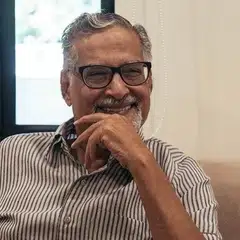
PN Balji is a veteran journalist and media consultant with over 40 years of experience. He is the former editor of The New Paper and TODAY, and the author of the book Reluctant Editor.