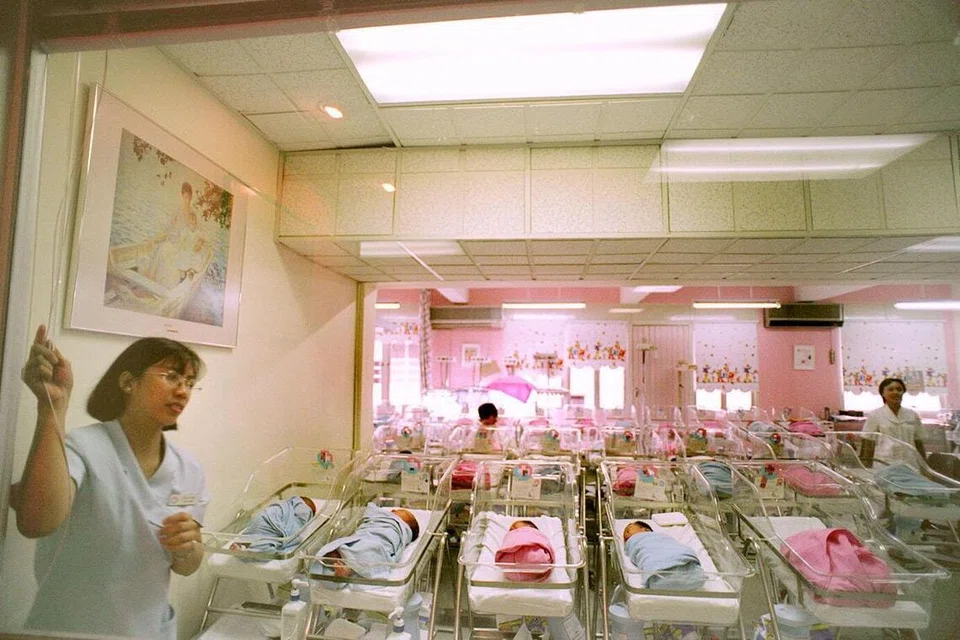
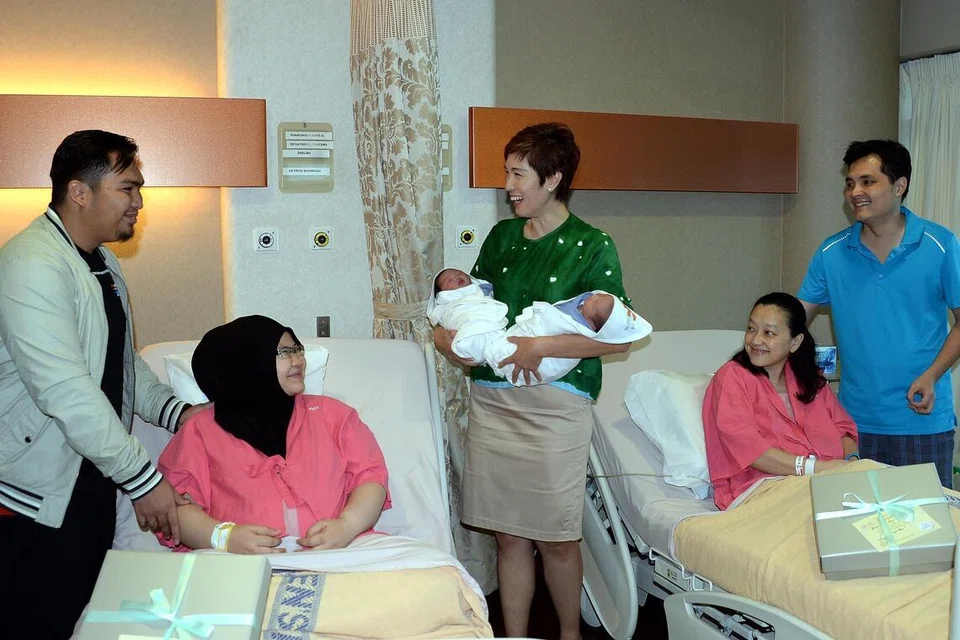

Singapore is a baby laboratory, having tested nearly every formula to get its stubborn birth rate up. Nearly every trick was tried.
Singaporeans were cajoled to go out on dates, fall in love, get married and have babies. Then came baby bonuses and other incentives, like longer leave days for newly minted mothers and fathers. But the baby bulge kept disappearing slowly and steadily.
The light at the end of the tunnel remains just a flicker, with the government now realising that a reset in its thinking is necessary, which means that such interventions in personal decisions can only mean that success will be limited.
Singapore has become a highly developed society. Its citizens live in an expensive, tiny, crowded and pressure-cooker environment. Bringing up kids in such a city-state takes a helluva effort.
I spoke to two ladies who are on opposite sides of the baby debate. Amid all the clutter about the difficulties of having children and bringing them up, one stark truth emerged: Money alone cannot help.
One of the ladies, 50, has two teenage children. She said: “It was a very difficult decision. I talked about it with my husband at great length, and we decided to take the plunge.”
Any regrets?
She thought for a while, then said: “There are frustrations, but these are blown away when I see how they have grown up to become responsible, caring and loving children.”
The children have made her look at life differently. She is no longer the hard-driving lady that she used to be. Her maternal instinct has kicked in and made her more wholesome. She is friendlier, more religious, and closer to her parents.
The other lady I mentioned is also 50, has a boyfriend, beyond the biological age to have children and says she has no regrets. But, as our conversation went on, I could sense that she would not mind having at least one child. “It is too late for me. Adoption and medical interventions are out.”
As the government has come to the realisation that financial incentives alone are not going to do the trick, the debate needs to move to the intangible.
One area where the spotlight has to move to is the role of grandparents. They are there waiting to be tapped in a more organised and holistic way.
They can play a pivotal role. Parents will be reassured that their children are in safe hands, and the elders will find a new meaning in their lives, looking after them.
But the grandparents must realise they are not parents per se and should see themselves as adjunct parents.
Their role is not to take charge but to complement what parents do. If they do otherwise, the children will be conflicted, and you can expect tension in the family.
In the end, it depends on our people looking at parenthood as a joy. The joy of watching children grow up, the joy of them becoming adults, and the joy of getting married and having their own families… all these things money cannot buy.
The government seems to have concluded that there is no silver-bullet solution. That is why it has decided to have 20,000 to 30,000 new citizens every year.
What will this mean for our society? What will the nation look like in the next, say, 20 to 30 years? How will Singaporeans born and bred here react? These are imponderables for which I have no answers.