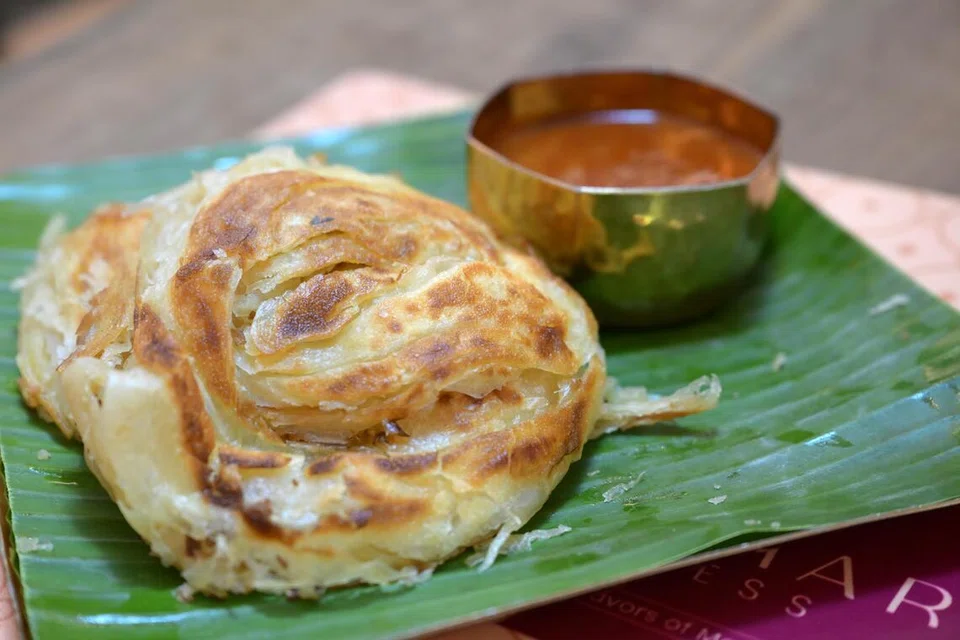
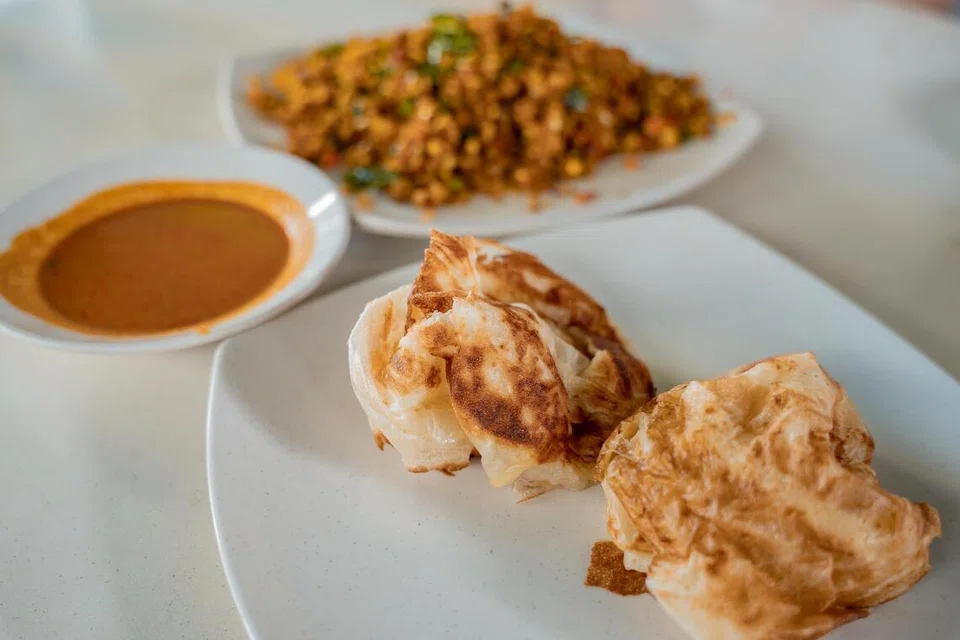

Somewhere in the west of Singapore, there’s a beloved prata stall that has delighted generations. Recently, however, I made a troubling discovery. Its prata has shrunk.
Once upon a time, the prata here was a thing of beauty: hot, fluffy and gloriously as large as a frisbee. Oh, how times have changed. Today, the prata is hot, fluffy, but the size of a tea saucer.
This stall built its reputation on a simple formula: better taste at a lower price. Naturally, queues were long. As business wisdom goes, you can be better, cheaper, or faster, but not all three.
Over time, flour prices rose. Rent climbed. Wages and cleaning costs followed. Even curry ingredients were not spared inflation’s bite.
Could the price of prata be raised? Certainly, but that risks massive public outrage and endless online chatter. So instead, the decision was simple: maintain the price, serve less.
In F&B circles, this strategy is known as shrinkflation, and its genius lies in its subtlety. Shrinkflation allows businesses to cope with rising costs without triggering accusations of profiteering.
Regular customers rarely notice the change because it happens very gradually. It’s a few millimetres less this time, and another few the next.
It is the occasional visitor who spots the difference. Very much like noticing how relatives have aged at the rare family gathering. See them daily, and you miss it. See them once a year, and it hits you between the eyes.
The same, it seems, applies to prata.
As an infrequent eater, being cholesterol-challenged, I had a clearer benchmark. I remember when one frisbee-sized prata sufficed. Then it became two, and I blamed this on my hearty appetite.
But on my last visit, I noticed that the prata had become uncomfortably small. Naturally, they vanished in a flash. I was left staring at the crumbs on my plate, faced with a dilemma: queue again or accept reality.
I admitted defeat and went home.
It turns out I’m not alone. Across Singapore, diners are noticing that their favourite meals are quietly embracing culinary minimalism.
Grumbles are subdued. After all, a S$1.20 prata that’s 20 per cent smaller, or a plate of wanton noodles that’s mysteriously shed some heft, can be brushed off as “artisanal”.
Some customers are sympathetic, recognising that hawkers are grappling with the same rising costs as everyone else. Others feel short-changed, muttering into their plates: “Same price, less food? Wah, like magic show.”
Here is the twist: while we lament shrinking portions, health experts have been urging us to eat less for years. Portion control, they say, is key to better health. Use smaller plates. Eat slowly. Give your brain 20 minutes to realise you are full.
That said, some eateries are experimenting with “right-sized” meals – smaller portions at lower prices.
It sounds fair in theory. But in practice, it takes the same time and effort to make a 10cm prata as it does a frisbee-sized one.
The small savings, therefore, do not quite match the shrinkage.
So where does this leave us?
Are we heading towards a future where pratas resemble drink coasters and burgers slide away after a single swallow? Perhaps the real lesson is awareness. The next time you order, take a closer look.
Has your meal shrunk? And more importantly, if you still want it?
As for me, I have decided to arm myself with a tape measure and proceed accordingly.