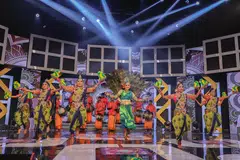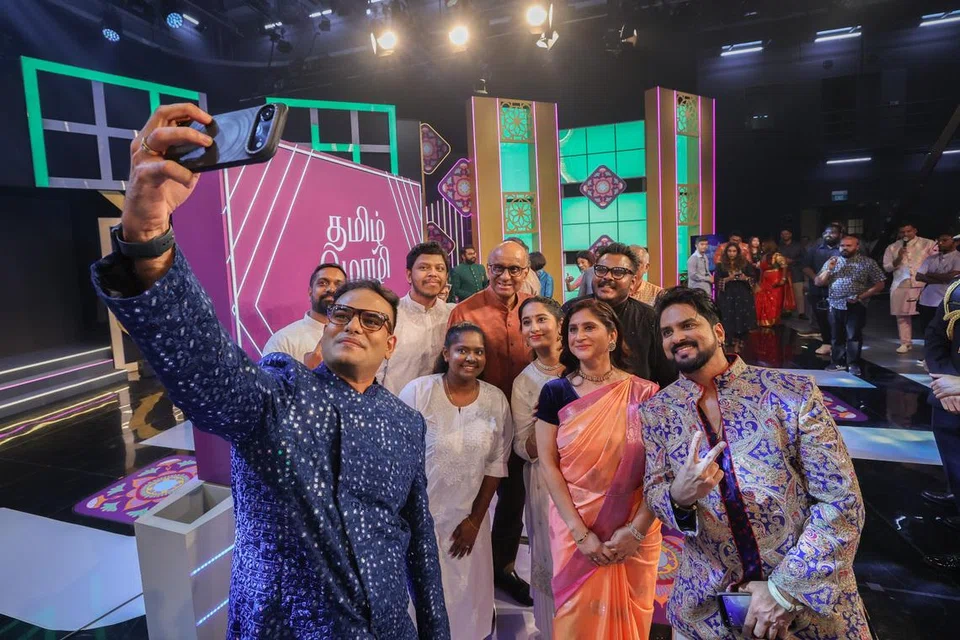
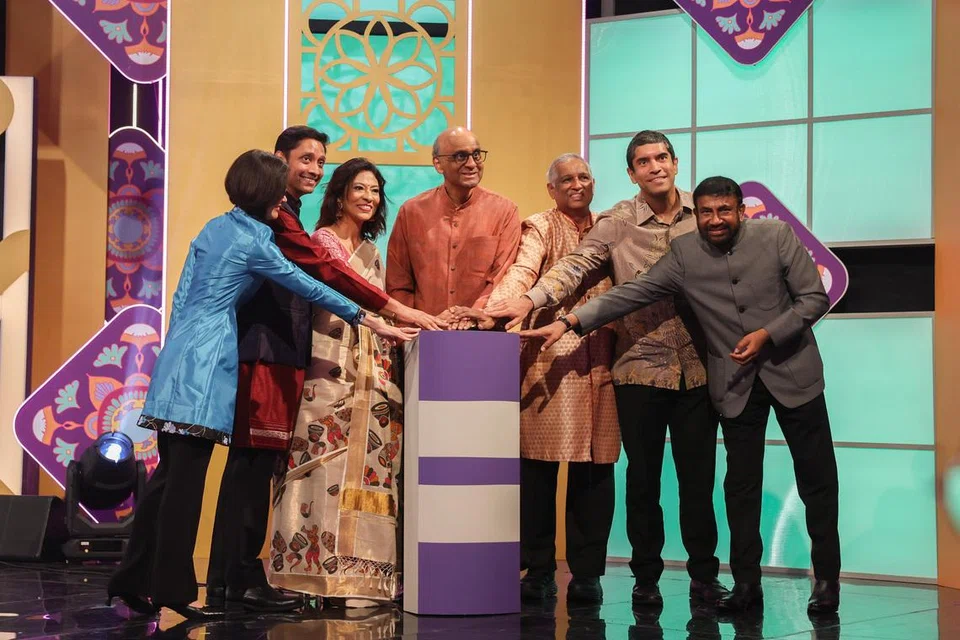

At the Tamil Language Festival (TLF) event marking its 20th anniversary, the energy in the MediaCorp Studio was unmistakably a reminder that Tamil in Singapore is not merely preserved, but actively lived. Organised with strong government support, the festival reflects a sustained national commitment to nurturing mother tongue languages within a multicultural society.
For many years, Tamil education has been closely supported within the school system, where students build their foundation in grammar, composition and comprehension through a structured curriculum. Yet, as many educators would agree, a language truly comes alive only when it moves beyond textbooks. It needs to be spoken, heard and experienced in everyday settings. This is where the Tamil Language Festival plays an important role.
By taking Tamil into public spaces, the festival helps transform it into a living language. Through storytelling sessions, debates, theatre, literary discussions and increasingly digital platforms, students encounter Tamil in ways that are dynamic and engaging. Institutions such as the National Library Board (NLB), for instance, contribute through curated Tamil book displays, author sessions, and reading programmes that bring literature closer to young readers and families.
This shift has important implications for education. When students use Tamil in real-life contexts, their confidence grows. Language learning becomes active rather than passive, with greater room for creativity and expression. Platforms such as the Tamil Toastmasters Club, operating under the Tamil Language and Cultural Society, further reinforce this by providing spaces for public speaking and articulation in Tamil, skills that classrooms alone may not fully cultivate.
Importantly, Singapore’s Tamil literary roots run deep. Some of the earliest Tamil short stories and poems in Southeast Asia were written here, reflecting the voices and experiences of a migrant community finding its footing. Over time, this literary tradition has grown into a vibrant body of work that continues to evolve today. Alongside newspapers, two Tamil magazines published in Singapore add to this landscape, offering additional platforms for writers and readers to engage with the language.
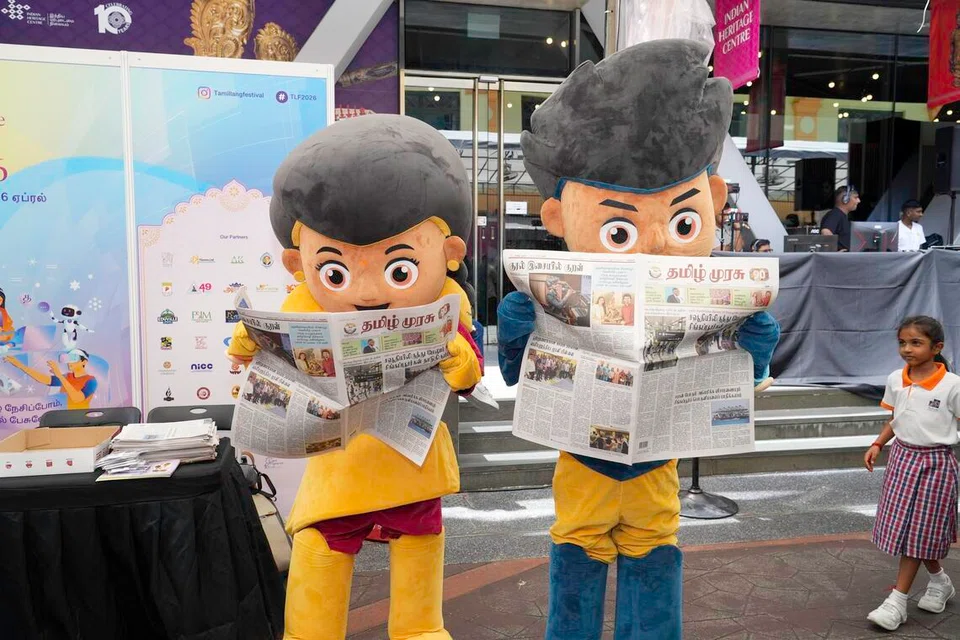
Institutions have played a crucial role in sustaining this ecosystem. Tamil Murasu, Singapore’s only Tamil daily newspaper, has endured for over 90 years, chronicling community life while nurturing language use across generations. Likewise, the Singapore Tamil Writers’ Association, which marks its golden jubilee this year, stands as a testament to the enduring commitment to literary excellence and cultural continuity.
Equally significant is the festival’s impact on youth. In a multilingual environment shaped by English and digital media, relevance matters. The festival recognises this by involving young people not just as participants, but as organisers, performers and creators. This sense of ownership encourages them to see Tamil as part of their identity rather than simply a subject requirement.
At the same time, the expanding number of platforms presents both opportunity and a gentle challenge. With many programmes, publications and digital avenues now available, there is wider access than ever before. Yet for some learners and families, this abundance can feel scattered or even overwhelming. The task ahead is not only to grow, but to guide, to ensure that these efforts remain meaningful, connected, and accessible.
Beyond youth and education, the Tamil Language Festival exemplifies a broader community effort. Its continued success depends on collaboration between schools, cultural organisations, writers, artists, and families. In a time when Tamil may not always be the primary language spoken at home, such shared spaces become even more valuable in keeping the language present in daily life.
This model holds particular significance in a multicultural and multilingual society like Singapore. Here, supporting Tamil strengthens rather than divides. Each language that is sustained contributes to a richer, more inclusive national identity.
Looking ahead, the next phase of the Tamil Language Festival will depend on how well it deepens engagement. How can Tamil be heard more often in homes and informal spaces? How can digital platforms be used more meaningfully? And how can the many existing avenues be better aligned to support learners at different stages?
As the festival marks its 20th year, it reminds us of a simple but important truth: a language lives only when it is used. With continued support, thoughtful coordination and active participation, Tamil in Singapore is well placed not only to endure, but to grow with confidence into the future.