There has been much excitement about sightings of wildlife recently.
Some even make the news such as the python that tried to attack the tyres of passing vehicles in the Teck Whye area on April 26.
The reptile, being only 2m long, was far from Godzilla’s proportions, so no harm was done. In fact, workers from the Animal Concerns Research and Education Society (Acres) had to rescue it from being run over.
In February, Singaporeans rejoiced when wildlife photographers spotted a new baby in a troop of critically endangered Raffles’ banded langurs in the Central Catchment Nature Reserve.
A month before that, a couple filmed several rare sambar deer foraging along the Bukit Timah Expressway.
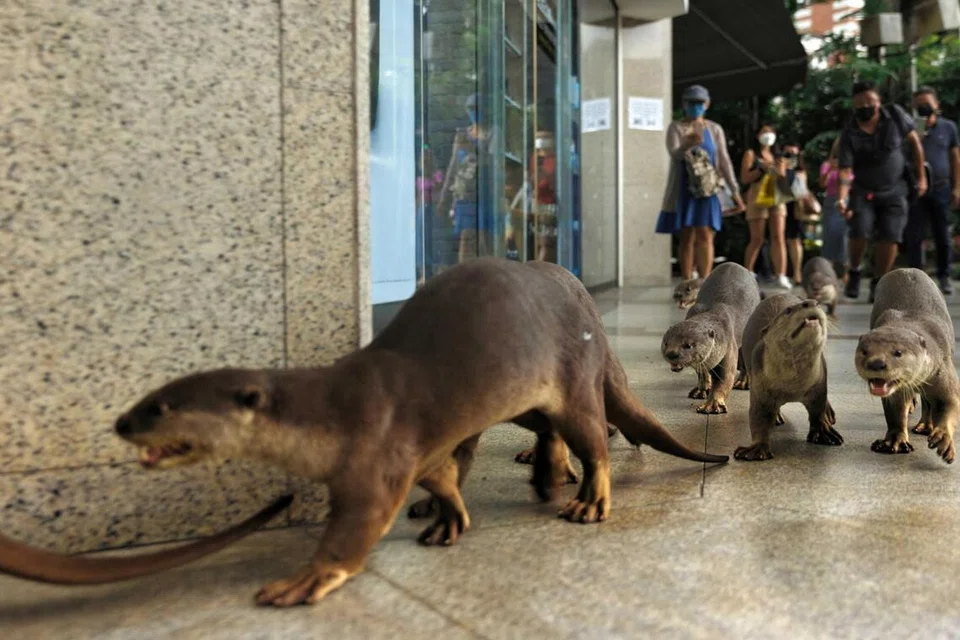
Our otters were even featured in the new BBC Earth documentary series Mammals.
Not all interactions between wildlife and humans have been peaceful.
Otters have been known to raid koi ponds, monkeys help themselves to foodstuffs in kitchens and monitor lizards make themselves comfortable in secluded corners in homes.
Members of the Urban Wildlife Working Group (UWG) receive an average of 2,500 calls every month from the public. These are often complaints.
Attributing this to a lack of understanding about our native wildlife, UWG members and its partners launched the Our Wild Neighbours initiative in April 2022 to promote coexistence with native wildlife.
Frankly, the animals are paying a heavier price in the continuing urbanisation of Singapore.
While Acres were able to save the python mentioned earlier, The Straits Times reported that about 20 pangolins, on average, were killed on roads annually from 2021 to 2023. This is a significant increase from the yearly average of around four cases in the previous three years.
Fortunately, attitudes towards wildlife are shifting.
British producer Lydia Baines, here to produce the episode on otters, said: “Most people in Singapore cherish and look after the otters. You have people making sure they cross the roads safely. That is one of the most beautiful wildlife interactions I have come across.”
Mammals’ producer Scott Alexander says it succinctly: “We are the most successful mammal on the planet, and as such, we hold the future of our fellow mammals in our hands.”
Do note that making room for wildlife does not extend to feeding them. That is strictly prohibited and offenders may be fined up to $10,000.
This is Singapore, after all.
By Khush Randhawa