I moved with my family to Singapore 26 years ago, or, to put it more elegantly, at the turn of the century.
I loved most things about the country – easy to do – but, for an Indian with a particularly well-developed mindset of getting paisa vasool (”bang for the buck” in English), the price of things hit me between the eyes.
I remember going for my first haircut with my eight-year-old son. When I was his age, a haircut cost one rupee (40 Singapore cents then), and asking my father for Rs1.50 as a “cushion” never worked.
By the time I left India, the price of the haircut had grown twenty-fold, but it was still less than one Singapore dollar.
Before sitting down for the haircut, I asked the Singapore barber how much it would cost. I wasn’t naive enough to expect $1 in a first-world country. I was prepared to pay two, even three, times that.
“Your son? $10 (about Rs 260 then),” he said. I asked him to repeat that. He did. My jaw began sagging. “And you – $16 (Rs 420),” he continued. My jaw fell the last few inches with a thud.
I protested: “Why should I pay more? I have less hair than he does.”
He agreed with me and proceeded, unnecessarily, to elaborate. “Very less, lah. Have to cut carefully. Bald scalp showing already. See.”
He pointed out my bald patches in the front mirror and held up another to introduce me to new ones at the back of my head that I was not yet acquainted with.
The barber proved to be a harbinger of more dollar-shock that was to follow. A few months later, I put two slices of bread into the toaster and pressed the lever. It sprang back. I did it again, pressing harder. Same result. Resorting to my superior handyman skills, I turned the switch off, unplugged it, waited 15 seconds, plugged it back in, turned on the switch and tried again. No dice.
I was irritated, of course, but not worried financially. I was coming from India, where we would extend the life of any inanimate object. We would get our fans “rewound”, our car tyres “retreaded” and the engine “rebored”.
My father would even “retread” our sneakers (we called them “PT shoes”) when the holes in the soles became big enough to tear the socks: he’d get the neighbourhood cobbler to stick on a layer of rubber from an old truck tyre. Fixing an electric toaster would be like swimming a length in the baby pool with flippers.
So I took the miserable machine with me to the mall, walked to the “fix-it” shop, handed over the toaster and drummed my fingers on the counter as the good man plugged it in, pressed the lever three times without success and turned to me.
“Not working,” he pronounced. “Yes,” I said. “I don’t normally carry a fully functional toaster around with me. Can you fix it?”
He grinned and shook his head emphatically. “Repair cannot. But…” He leaned forward and lowered his voice. I leaned forward too, eager to hear his secret solution. “… replace can!”
I was not impressed by the breakthrough idea. Thanking him coldly, I walked over to Best Denki in the same mall. There, my jaw dropped again as I shelled out $40 (Rs1,000). For that much money in India, we could have had the toaster fixed, all the fans in the house rewound, and shared a tub of ice cream (with buttered toast) under the cool breeze.
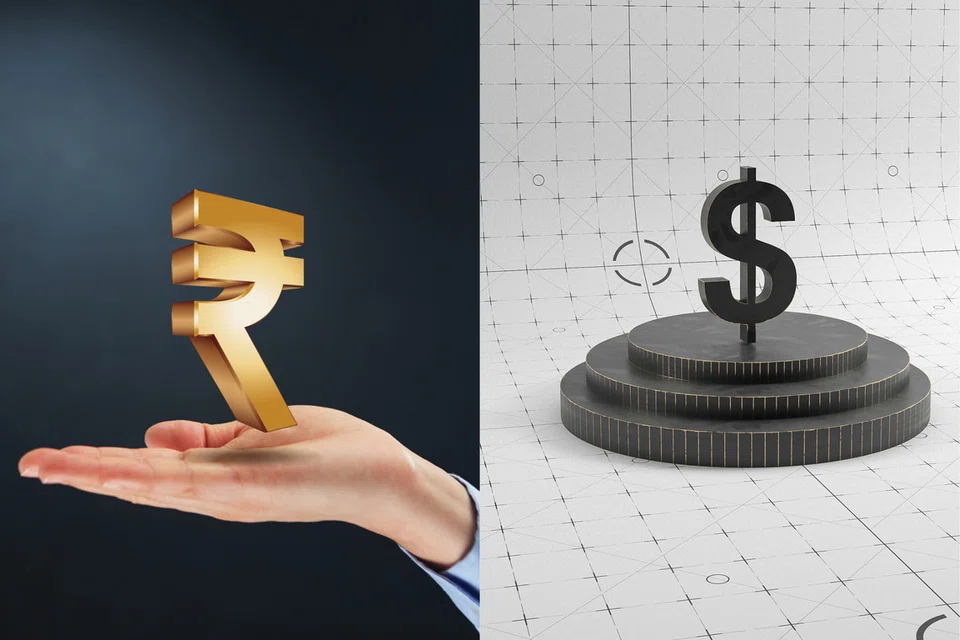
During my first year in Singapore, I would convert the price of everything into Indian rupees and experience severe shock. It was disconcerting to pay Rs20 for a short bus ride. It was heart-wrenching to pay Rs200 for one in a taxi. And it was depressing not to have the autorickshaw option.
But once I stopped doing that, life became easier. And it became easier still when I found there is at least one way in which I could get the better of Singapore prices.
After many years of watching the barber cutting my hair more and more carefully as fewer and fewer of them became available for cutting, I took the plunge and moved to a fully bald pate. And I shave my own head.
So, in 2000, the barber may have taken $16 from me. Today, he cannot even get a dollar.
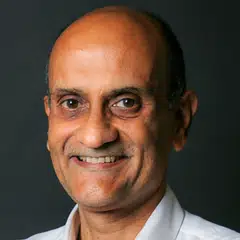
Paddy Rangappa (https://www.linkedin.com/in/paddyrangappa/), an ex-CEO, now teaches humour for leaders; happiness at work; and marketing through consumer insights.