
Singapore’s evolving linguistic landscape, coupled with digital tools, offers plenty of opportunities to breathe new life into our mother tongue languages.
The 2020 Census data show a natural shift toward English as the dominant household language across all ethnic groups, compared to 2010.
In particular, the proportion of ethnic Indians speaking Tamil most frequently at home fell from 36.7 per cent to 27.4 per cent over a decade. The use of other Indian languages fell from 13.2 per cent to 7.1 per cent in the same period.
This is not a cause for dismay. Instead, it is a clarion call to revitalise proactively. Inculcating a love for our mother tongues from a young age is a critical mission to keep our cultural roots thriving. In this endeavour, Education Minister Desmond Lee’s recent announcement is a catalyst.
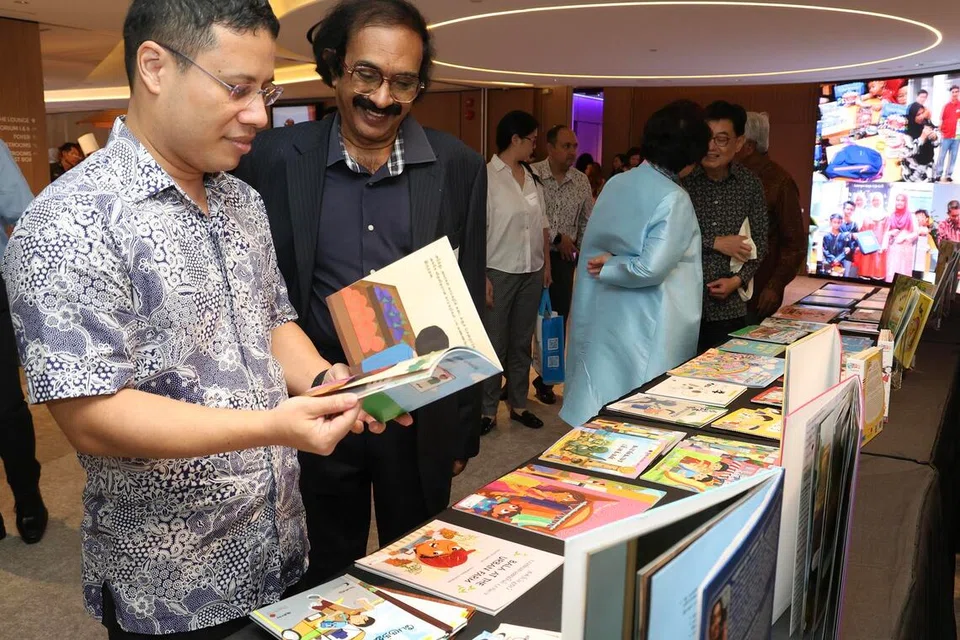
From April 2027, an expanded Lee Kuan Yew Fund for Bilingualism initiative will provide 72,000 K1 and K2 children with monthly mother-tongue publications, including Tamil Murasu’s Balar Murasu (BM). This expansion means partner operators and private pre-schools will also receive the student publications.
This recent move also removes the “shared copy” approach and ensures each pre-schooler gets a copy of the periodical.
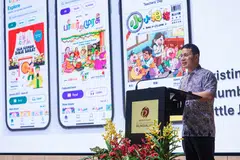
Along with this, the launch of new mobile apps to complement BM and Cilik Cerdik signals a timely, exciting digital pivot. By offering interactive stories, songs, and games, these apps empower parents with modern, engaging tools to learn alongside their children at home.
Early intervention, however, must be nurtured with sustained support. Beyond this pre-school expansion, Tamil Murasu is actively working with the Tamil Promotion Committee (TPC) to bring BM to Primary 1 and 2 students.
This extension is vital. For new primary school entrants who may still be building their foundational grasp of the language, BM serves as an essential bridge. It reinforces classroom lessons with fun, accessible content, making it a critical and enjoyable learning tool at home.
Bilingualism is a defining strength of Singapore. It is a lifelong asset that allows our multiracial society to thrive and helps us build bridges across cultures in a globalised world.
Our national mindset should be filled with optimism. We should look beyond merely halting the decline of our mother tongues; by equipping our young with the right tools today, we are actively championing their growth.