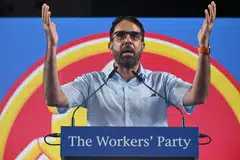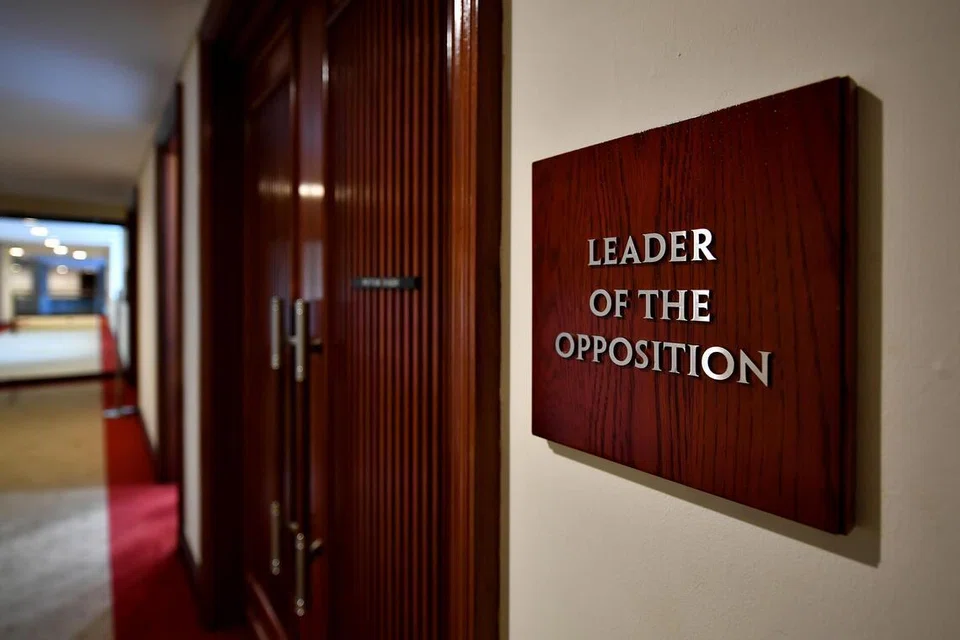

The recent ripples in Parliament following the removal of Mr Pritam Singh as Leader of the Opposition (LO) on Jan 15 have sparked a significant debate on the nature of political accountability.
When the Workers’ Party (WP) declined Prime Minister Lawrence Wong’s invitation to nominate a successor less than a week later, it did more than just “close ranks” around its chief. It raised a fundamental question about where the opposition’s authority truly lies.
In any thriving democracy, a credible opposition is not a luxury; it is a necessity. It ensures a governance model that promotes alternative views and subjects policy to rigorous scrutiny.
In Singapore, the formalisation of the LO role in 2020 was a landmark move, signalling that the government recognised the need for a more competitive and robust parliamentary process.
The LO position adds institutional weight to this dynamic, ensuring that alternative views are not just heard but are presented with the gravitas of an official office.
The critical concern here is the potential erosion of institutional credibility. If the LO seat remains empty, the “weight” of the opposition in Parliament is technically diminished. The formal privileges, such as the right of first response and additional speaking time for the LO, exist to ensure the government is held to a higher standard of transparency. A prolonged vacancy risks turning a significant democratic evolution into a symbolic footnote.
The WP’s refusal to nominate a replacement brings a principled argument to the fore. Their stance is clear: the LO is not a gift to be bestowed by the Prime Minister, nor is it a corporate role to be filled by an alternate appointee at the government’s request. Following the Westminster tradition, the LO is the leader of the largest party chosen by the voters. By declining to name a new face, the WP is asserting that the sanctity of the ballot box defines the leader, not the prerogatives of the day’s administration.
While the legal saga surrounding Mr Singh continues to play out, the broader health of our political system remains the priority. Singaporeans have expressed a desire for a “rational, responsible, and respectable” opposition. For this to work, the structures must be seen as fair. Whether the seat remains vacant or not, the underlying principle remains: a strong opposition makes for a stronger government.
As we navigate this “new normal,” the focus must return to the primary duty of all MPs – serving the people. The LO saga is a reminder that while titles are important for institutional credibility, the ultimate check and balance will always be the conscience of the voter.