
The 2026 State Assembly elections have delivered a seismic shift in India’s political landscape, proving that voters are increasingly restless and disillusioned with the status quo.
From the historic saffron surge in the East to a cinematic debut in the South, the message is clear: the Indian electorate is prioritising anti-corruption, welfare, and fresh leadership over historical legacies.
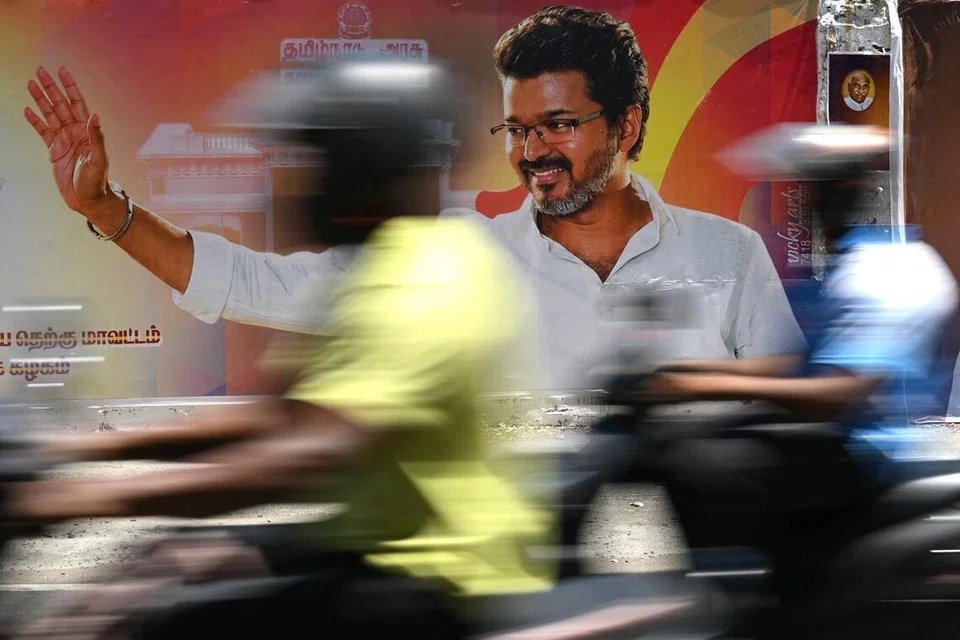
In Tamil Nadu (TN), the “superstar” factor reached a new zenith as actor Vijay’s TVK disrupted the long-standing Dravidian duopoly. While his victory underscores the enduring power of cinema in state politics, it also signals a yearning for an alternative to the DMK-AIADMK cycle.
Interestingly, while the TVK secured more seats under the first-past-the-post system, the actual vote count shows a much closer split with the DMK.
The real challenge now lies in governance. With extravagant promises, including monthly assistance for women and high procurement prices for farmers, the fiscal question looms large: how will a state already in debt fund such largesse?
Across the border in Kerala, the UDF returned to power after a decade, dismantling the LDF in an unprecedented landslide of 102 seats. It appears voters decided that ten years was enough, as anti-incumbency eventually choked the LDF’s infrastructure narrative.
For the Indian National Congress, this win is more than a regional victory; it is a vital life-support system for its national relevance.
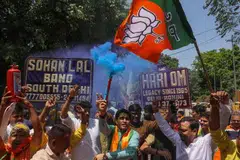
However, the most stunning upset occurred in West Bengal, where the BJP scripted history by winning 207 seats, ending Mamata Banerjee’s 15-year tenure.
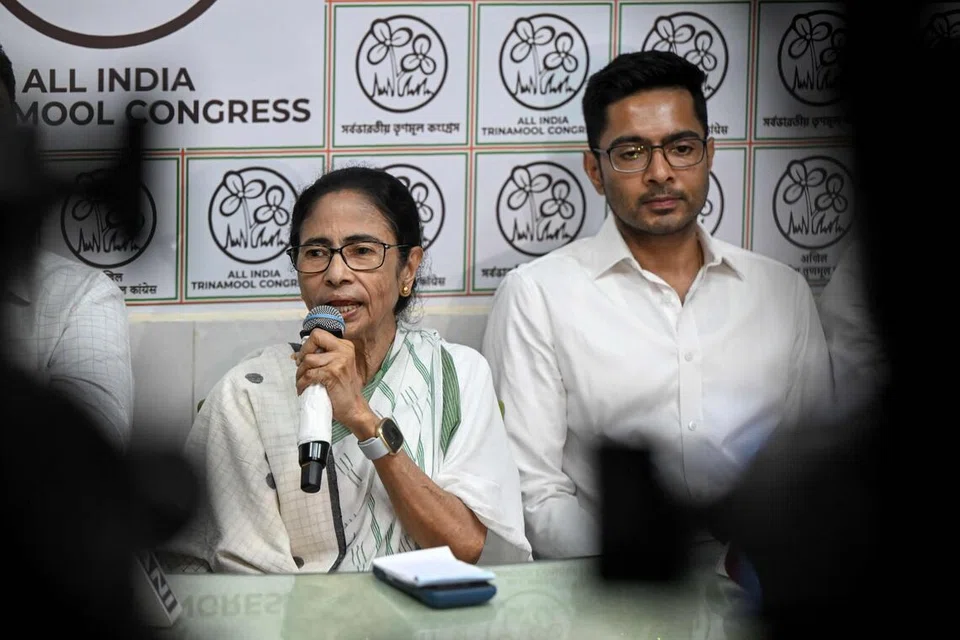
The contrast in political grace was stark: while TN’s MK Stalin accepted defeat with dignity, the transition in Bengal remains fractious.
Ultimately, while the BJP remains a non-factor in TN, its steady creep into Kerala and total conquest of West Bengal show the Modi government further cementing its roots.
In 2026, the Indian voter has stopped being a loyalist; they have become a demanding consumer of governance.