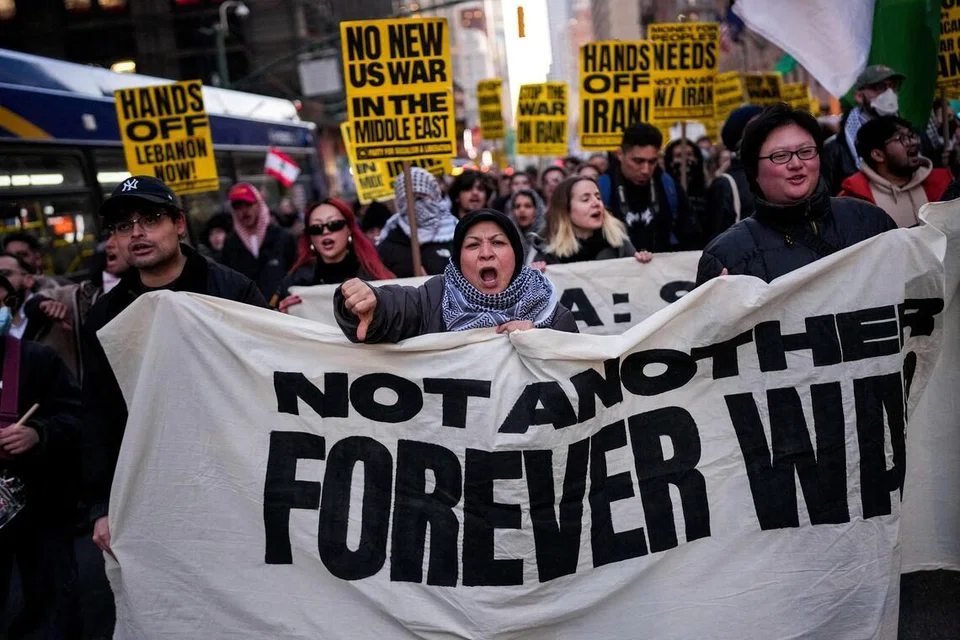

As the conflict between the United States, Israel, and Iran enters a gruelling sixth week, the geopolitical shockwaves have hit home with a force not seen in decades.
This week’s Parliamentary proceedings served as a sobering reality check: Deputy Prime Minister and Minister for Trade and Industry Gan Kim Yong’s comparison to the 1973 oil embargo was no hyperbole. With the Strait of Hormuz effectively choked, Singapore faces an unprecedented energy crunch that will soon manifest in sharply higher electricity bills and rising food costs.
Yet, amid the “bad news” of a war that shows no signs of cooling – evidenced by the failure of a fragile truce and Israel’s intensified strikes on Lebanon – the government’s message was one of calculated resilience.
Senior Minister of State for Finance Jeffrey Siow revealed a significant defensive posture: nearly S$1 billion in fresh support for households and businesses, layered atop the S$155 billion Budget 2026.
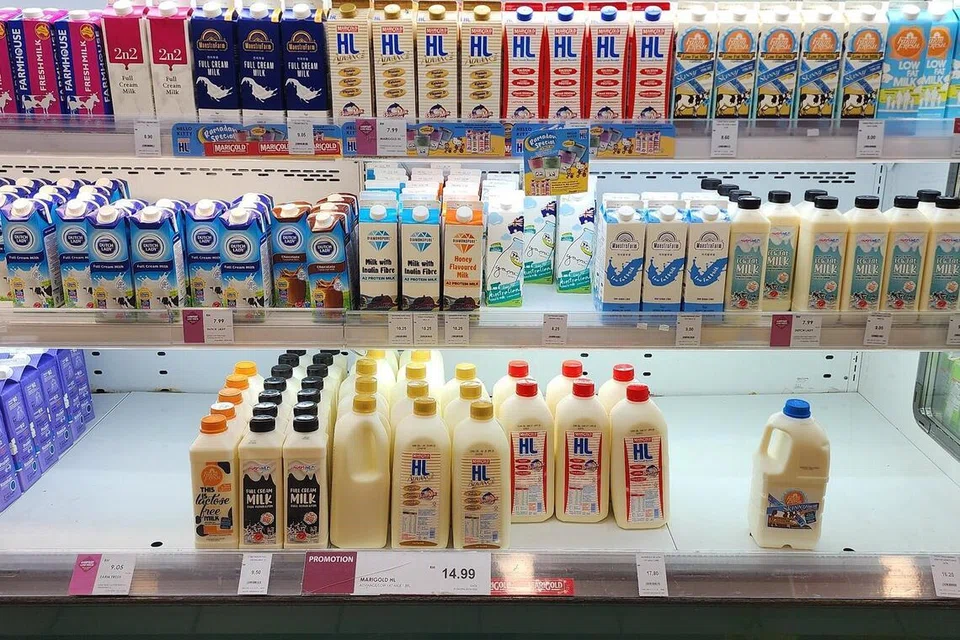
This is vital insulation for a city-state dependent on global supply chains. From PET resin affecting milk supplies in Malaysia to auto LPG shortages paralysing transport in Bengaluru, India, these are cautionary tales of what happens when supply chains snap.
The volatility is not just economic, but existential. Coordinating Minister for National Security K. Shanmugam warned that the conflict has elevated the global threat landscape, serving as a “rallying point” for extremist narratives.
However, the most striking takeaway from the Parliament was the refusal to adopt a purely defensive crouch. As Senior Minister of State Zaqy Mohamad reminded us, Singapore must “never waste a good crisis.”
Just as the pandemic sparked a permanent, systemic overhaul of migrant worker dormitory standards – a legacy that will bear fruit through 2040 – this energy crisis is being viewed as a catalyst.
The current pain is the “energy version” of our 2020 wake-up call. By restructuring our energy mix and aggressively diversifying food supply chains now, Singapore isn’t just surviving a six-week war; it is engineering a more sovereign future.
In a world defined by scarcity, our niche remains our ability to turn external shocks into internal strength. We are tightening our belts, yes – but we are also redesigning the waistline.