
They say the quickest way to a person’s heart is through their stomach, but in the world of international relations, it’s also the most effective way to a person’s vote, trust, and friendship.
In Singapore, a city-state that treats eating as a national sport, we understand better than most that a shared meal is often a powerful catalyst for bonding.
This week in tabla!, our stories are practically redolent with the scent of saffron, spices, and juicy mangoes.
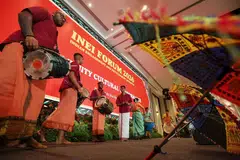
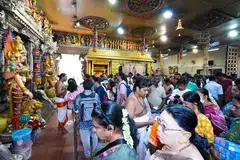
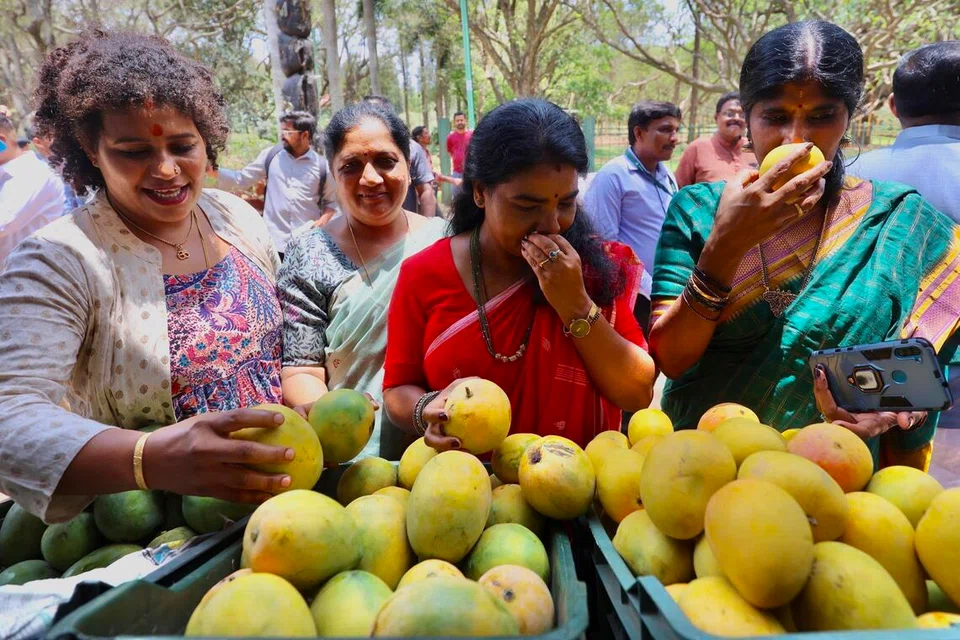
From the High Commission of India in Singapore’s Indian Mango Festival at Our Tampines Hub to the recent Threads of Indian Tradition event at Nee Soon South, the mango has become a golden tool of diplomacy.
When performers are rewarded with boxes of Alphonso, Kesar and Langra instead of plastic trophies, and when 6,000 people gather to sample 10 different mango varieties, it’s more than a tasting session – it’s a showcase of “Incredible India” that builds rapport among our Chinese, Malay, and Indian communities.
Singapore has long mastered this culinary shorthand. We saw it during President Tharman Shanmugaratnam’s campaign, when the pineapple – the ong lai – became a symbol of prosperity and good fortune that resonated across all demographics.
Similarly, we often speak of “Durian Diplomacy”. Despite not being a major grower, Singapore’s status as a culinary hub means we use the fruit to forge regional ties, turning a divisive scent into a unique soft-power strategy.
Whether it’s a state dinner or a neighbourhood festival, food translates complex geopolitical ties into something we can all digest and enjoy.
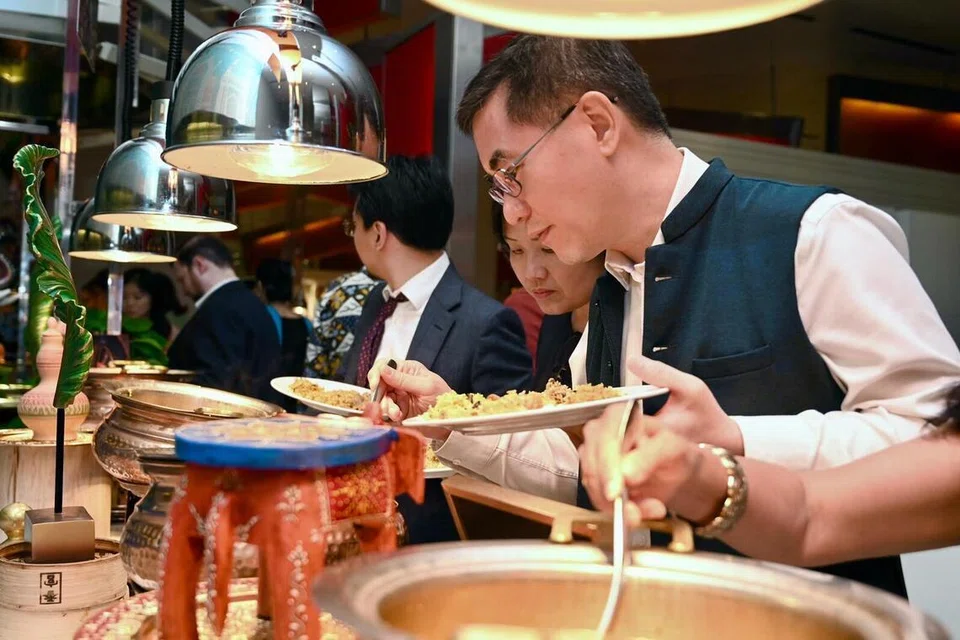
This week, we also take you to The Line at Shangri-La, where The Great Indian Biryani Festival is currently underway. From the “dum” cooked riches of Hyderabad to the seeraga samba grains of Tamil Nadu, these dishes represent the diverse regions of India coming together on a single Singaporean plate.
As Chef Virendra Kumar notes, these recipes are a map of history and climate. When we sit down to a Dindigul Lamb Shank Biryani, we aren’t just eating; we are participating in a cultural exchange that spans thousands of miles.
All this talk of global ties and premium fruit shouldn’t distract us from the local heroes – our hawkers. They are the front line of Singapore’s food paradise, serving up the daily diplomacy that keeps our melting pot from boiling over.
So, go ahead and indulge in that box of Alphonsos or that plate of festive biryani. But tomorrow, make sure to head down to your local hawker centre for a kopi and a prata. After all, diplomacy starts at the dinner table – or the plastic tray.