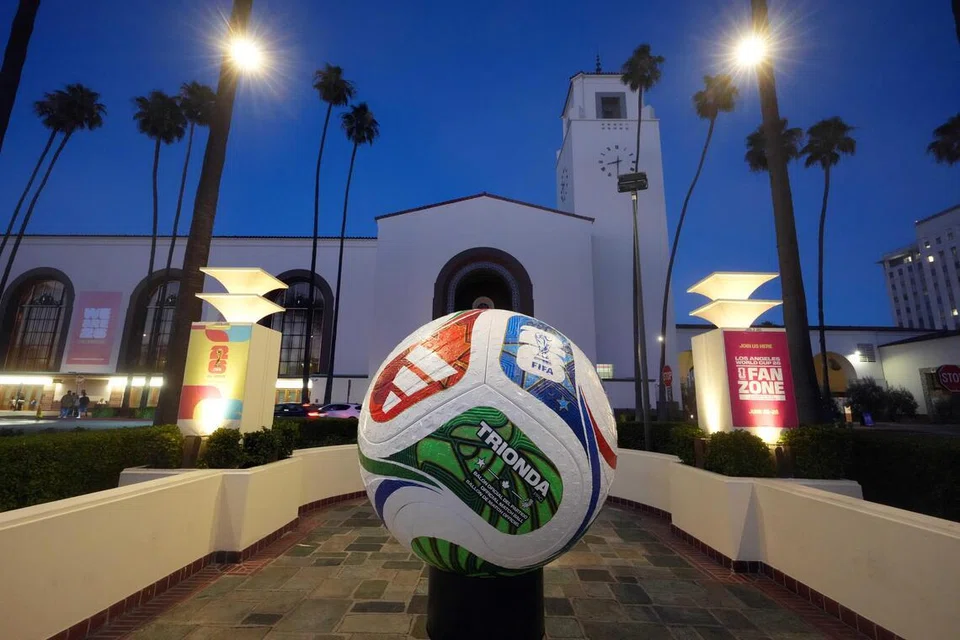
The wait is finally over. The FIFA World Cup 2026 is officially here, and it is unlike anything we have ever seen before.
As the first-ever tournament co-hosted by three nations, the USA, Canada, and Mexico, this is the largest and most complex iteration in history. Featuring an expanded 48-team format and a staggering 104 matches, the eventual champions will have to endure a gruelling eight-match gauntlet, rather than the traditional seven, to lift the iconic trophy.
Globally, the World Cup is an unparalleled phenomenon. Closer to our shores, where football is deeply woven into our social fabric, it is a magical season where late nights bring people together. Whether gathering at community spaces or screaming at TV screens in living rooms, Singaporeans unite as friends and family through the shared language of the beautiful game.
This year, that spirit of togetherness is amplified by free live screenings of selected matches across 50 Community Clubs, five ActiveSG Sport Centres, and the Kallang precinct, making the tournament a wonderful island-wide occasion for community bonding
The World Cup fever is also set to take flight at Changi Airport, which is hosting free match screenings and vibrant fan experiences throughout the tournament until July 19.
Commemorating the season, Changi Airport Group launched a new film, Where The World Comes To Play, featuring a star-studded lineup of our own national footballers. Complete with a nostalgic cameo by local legend Fandi Ahmad, the project serves as a timely reminder to celebrate and support our homegrown footballing talent.
Football-themed activities will also be available for transit passengers, allowing participants to test their balance, strength, and reflexes for prizes.
Even though India will be absent from the pitch, the global Indian diaspora has given South Asian fans plenty of reasons to watch closely. Players of Indian descent are making historic inroads on the world stage.
From Australia’s Nishan Velupillay, the first World Cup player of Tamil heritage, to Qatar’s 19-year-old winger Tahsin Mohammed Jamshid, the first Malayalee in a World Cup squad, Indian roots are branching into international football. New Zealand’s Sarpreet Singh and Democratic Republic of the Congo’s Samuel Moutoussamy further reflect this remarkable global footprint.
True to World Cup fashion, the drama began even before the opening whistle. Elite Somali referee Omar Abdulkadir Artan was controversially barred from entering the US due to vetting concerns.
Yet, his response was a heartwarming teaching in resilience. Vowing to officiate the 2030 tournament, Artan gracefully chalked it up to “fate,” urging the youth never to lose hope.
It is precisely this blend of high stakes, cultural pride, and human spirit that makes the World Cup so essential. Let the games begin!