
The auspicious spirit of the Panguni Uthiram festival brought a landmark announcement for Singapore’s Hindu community this week. For the first time in 20 years, the Government has allocated land for a new Hindu temple—the last being the Sengkang Arulmigu Velmurugan Temple in 2006.
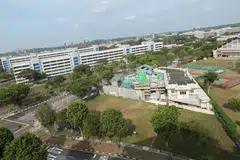
Plans have now been unveiled for the Sree Guruvayoorappan Ayyappan Temple (SGAT) to be built along Yishun Avenue 3. As Singapore’s 25th Hindu temple, SGAT is more than just a new structure; it is a long-awaited spiritual home.
For the thousands of Singaporean devotees who undertake the arduous pilgrimage to Sabarimala or visit the historic Guruvayoor temple in Kerala, this development is deeply personal.
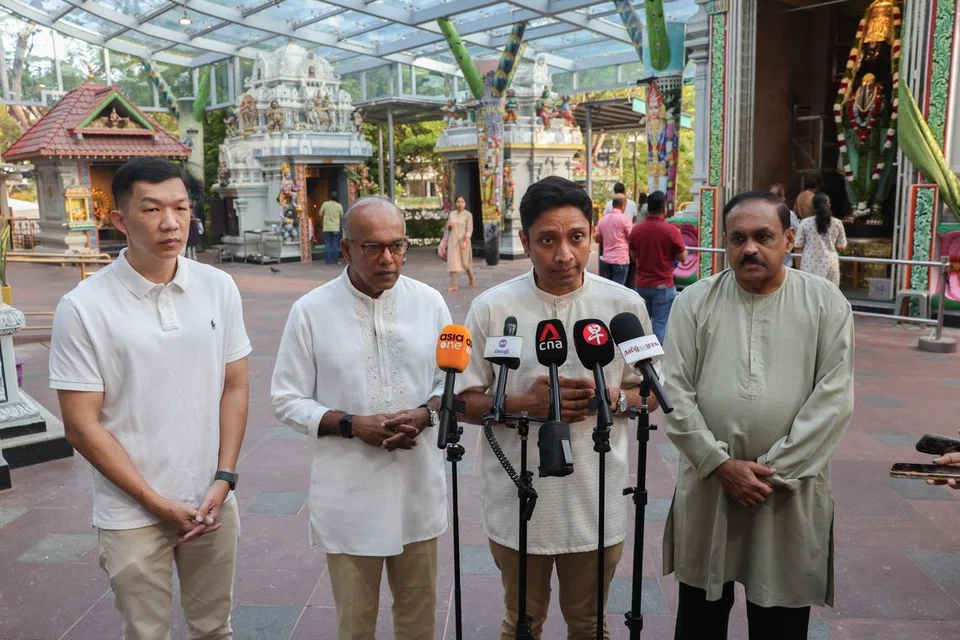
As Minister for Home Affairs K. Shanmugam noted, the temple fulfils a profound, long-standing desire, particularly for the Malayalee community.
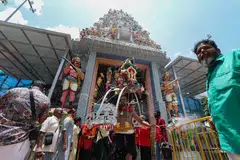
While Singapore and the region house various shrines and sanctums dedicated to these deities, SGAT is set to be the only temple outside India dedicated specifically to both Lord Guruvayoorappan and Lord Ayyappan, and it even features the iconic 18 steps synonymous with the Sabarimala hilltop shrine.
The choice of Yishun is no coincidence. The Malayalee presence in northern Singapore is storied, tracing back to the technical experts who powered the Sembawang Naval Base a century ago. Today, that history has evolved into a vibrant cultural heritage, and, as Minister of State Dinesh Vasu Dash observed, SGAT is perfectly positioned to serve the community in that region.
For elderly worshippers, for whom the physically demanding 41-day preparatory trek to Kerala is no longer possible, SGAT brings the “holy shrines” to their doorstep.
Architecturally, the temple will pivot from the towering gopurams (ornamental entrance towers) typical of Singapore’s landscape toward the airy, gabled aesthetic of traditional Kerala design.
With its multipurpose annex, the temple is poised to become a hub for Harmony Circles and multicultural outreach. As construction is slated to begin later this year, SGAT stands as a testament to a community that has stayed true to its roots while contributing to the cohesive fabric of our modern city-state.