I had often wondered what Deepavali would feel like away from home. My first Deepavali in Singapore turned out to be a deeply personal experience. It was less about grand festivities and more about the little things – unexpected kindness, spontaneous warmth and the generosity of people – that made it special.
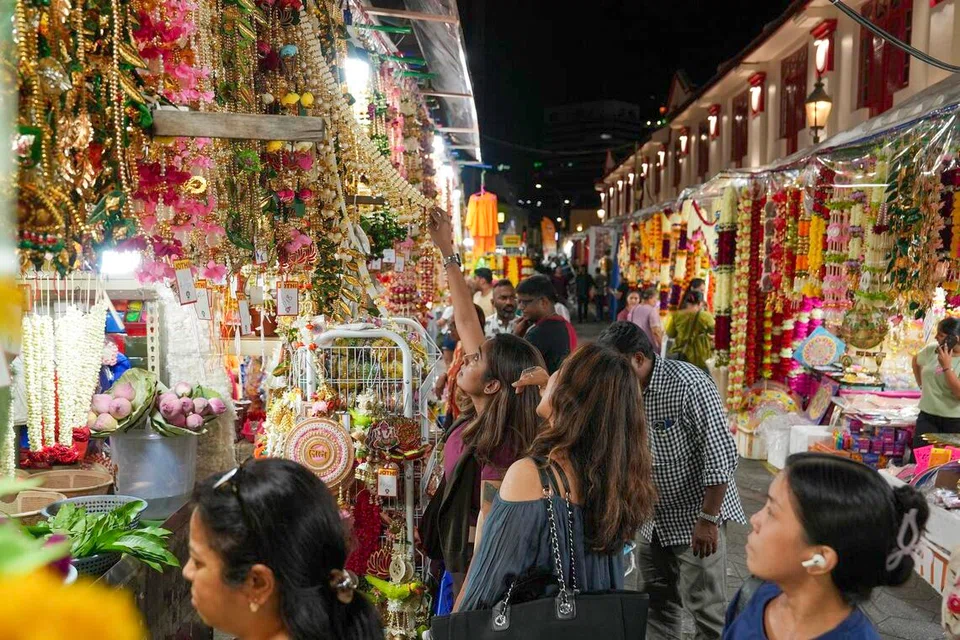
The festive spirit was in the air well before Deepavali. I began noticing “Happy Deepavali” posters in the market and in our condominium’s lift lobby. Neighbourhoods were lighting up, while Indian stores displayed mithai and gift hampers. A few days before the festival, I was pleasantly surprised to hear Carnatic music playing at my MRT station. Such a small gesture, yet it was lovely to see a city celebrating its diverse communities in everyday spaces.
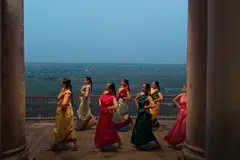
There was a buzz of excitement as our resident community prepared for its Deepavali celebration the following week. I joined a “Bollywood song medley” with an enthusiastic group of singers across different age groups. Rehearsals and the camaraderie across age groups added to the fun. The programme also included Kathak, bhajan singing, children’s performances and Tambola. It was heartening to see residents give their time and talent to the community. In a new place, such opportunities to participate and feel included mean a lot.
One of my most memorable experiences came two days before Deepavali. A college friend, who has lived in Singapore since 2002, invited me to accompany her to an old-age home, where she had organised a celebration for the residents. On an impulse, I asked if I could sing. They readily agreed. I sang “The Time to Be Happy Is Now”, and the residents joined in, clapping and smiling. When we played Bollywood songs, some of the residents knew them and soon got up to dance. Meanwhile, my friend was busy frying vadais. Hot vadais and coffee, dancing and photographs made my day. I returned feeling fuller and more alive.
The next day, an Indian family in our condominium invited us to their Deepavali open house. Their home was warm and beautifully decorated, and soon filled with families from across India. The air was filled with the aroma of samosas, chaat, sweets and chai, mingled with cheerful conversations. Men looked dapper in kurtas, while women wore suits, lehengas and sarees. We barely knew our hosts, yet they had opened their home to us so warmly. It was an open house in the truest sense – an opening not just of doors, but of hearts. We left with a lovely sense of belonging.
In the evening, while out shopping, I stopped by a local food court and decided to try a prawn fritter I had been eyeing at one of the stalls. The hawker asked if I was Indian. When I said yes, he broke into a big smile and wished me “Happy Deepavali Eve”. It was a fleeting exchange, but one that left me feeling unexpectedly welcome.
On Deepavali morning, we decided to do something different as a family. We headed to Bukit Timah Hill, where a sea of people was already out hiking. The stillness of the forest felt almost sacred. On our way back, we enjoyed a wholesome meal near Beauty World MRT station.
The evening was reserved for our own little Deepavali ritual. We lit diyas and offered prayers, especially to Ma Lakshmi. My husband played the guitar, while my son provided the beats, though his drums were not there. After all, I am told Ma Lakshmi loves music and all things beautiful! We ended with an early dinner as distant firecrackers sounded. It was a simple, intimate Deepavali, very much our own.
It wasn’t any grand celebration that made my first Deepavali away from home memorable. It was the hawker’s greeting, the sharing of pre-loved things, strangers opening their homes, the smiles of elderly residents and the joy of singing together.
Deepavali symbolises the victory of good over evil. Perhaps both reside within us. Through random acts of kindness, thoughtful gestures and mindful choices, we nurture the good within. Each time we open our hearts a little wider, we bring more light into the world.
Shubhra Puri is the Founder of Gurgaon First (www.gurgaonfirst.org), a social enterprise with a vision to make Gurugram a sustainable, empowered and inclusive city. Shubhra began her career as a business correspondent with The Economic Times in Delhi after completing her Postgraduate Diploma in Business Studies. For 15 years, she served as Editor of Power Line and India Infrastructure magazines.