
As we head into December, the year looks set to end just as it unfolded for the artificial intelligence and technology sectors: in a state of confusion and tumult.
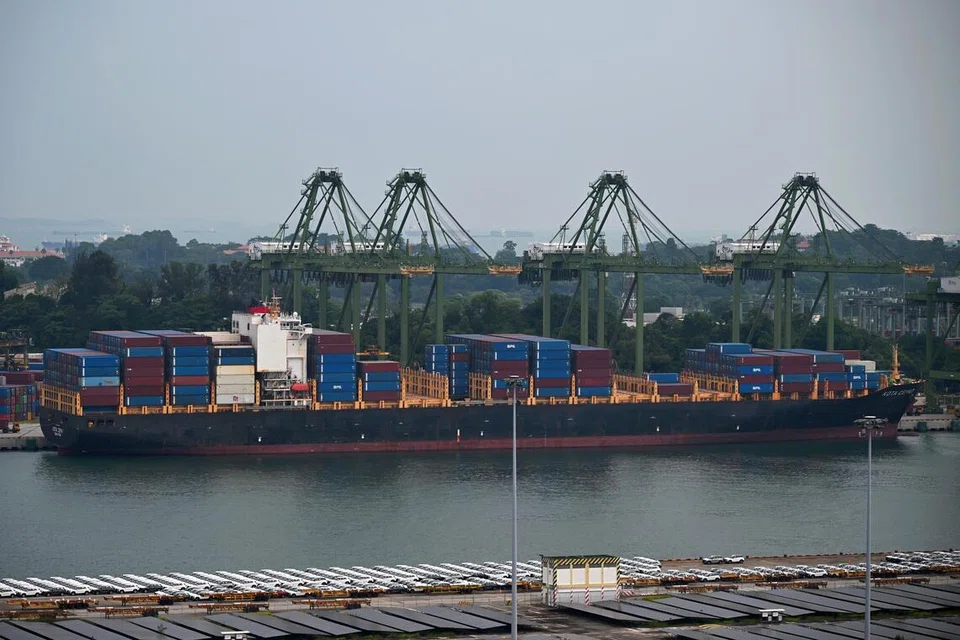
What began as a year of breathless innovation has dissolved into a web of geopolitical friction, regulatory whiplash, and corporate drama that is testing global supply chains and creating headwinds for open, trade-reliant hubs like Singapore.
The past week alone sent shockwaves across the media and business landscape. Nvidia’s abrupt reinstatement of chief executive Jensen Huang, just days after his resignation over an alleged affair with a former executive suspected of espionage, has sparked fierce debate.
While Nvidia’s board cited assurances from senior US officials that his return poses no national security risk, the episode raises uncomfortable moral and governance questions that go well beyond technical clearances.
For Singapore, the fallout is immediate and tangible. Hot on the heels of Washington’s new export licensing rules, Nvidia has reportedly halted server shipments containing its chips to four Southeast Asian nations, including Singapore.
Simultaneously, the US Trade Representative has proposed tariffs of up to 20 per cent on Singapore goods, citing alleged excess manufacturing capacity. Together, these moves threaten to drive up costs, freeze billions in regional data centre financing, and dampen investor confidence across the region.
We cannot afford to take this lightly. Semiconductors form a massive pillar of Singapore’s manufacturing economy. Our longstanding relationship with the United States, which has enjoyed a consistent trade surplus with us for over two decades under our free trade agreement, remains vital.
Restoring confidence requires a two-pronged effort. First, we must engage Washington constructively to address trade misunderstandings while keeping our own house strictly in order.
Singapore’s global reputation was built on clean, transparent, and non-corrupt business practices. Every business operating here must do its part to uphold this gold standard, ensuring our open hub is never abused as a backdoor to circumvent international rules.
Second, we must remain clear-eyed and firm about our sovereign role. As Prime Minister Lawrence Wong rightly noted this week, Singapore is investigating local entities like Megaspeed for potential breaches of domestic laws, while leaving American corporate governance and intelligence matters to Washington.
Here is hoping the muddy waters begin to clear in the weeks ahead, allowing Singapore and the wider tech ecosystem to leave this turbulent chapter behind and start 2027 on a steadier, clearer note.