
A silk saree carries more than colour and elegance. Sometimes, it holds a family’s memories.
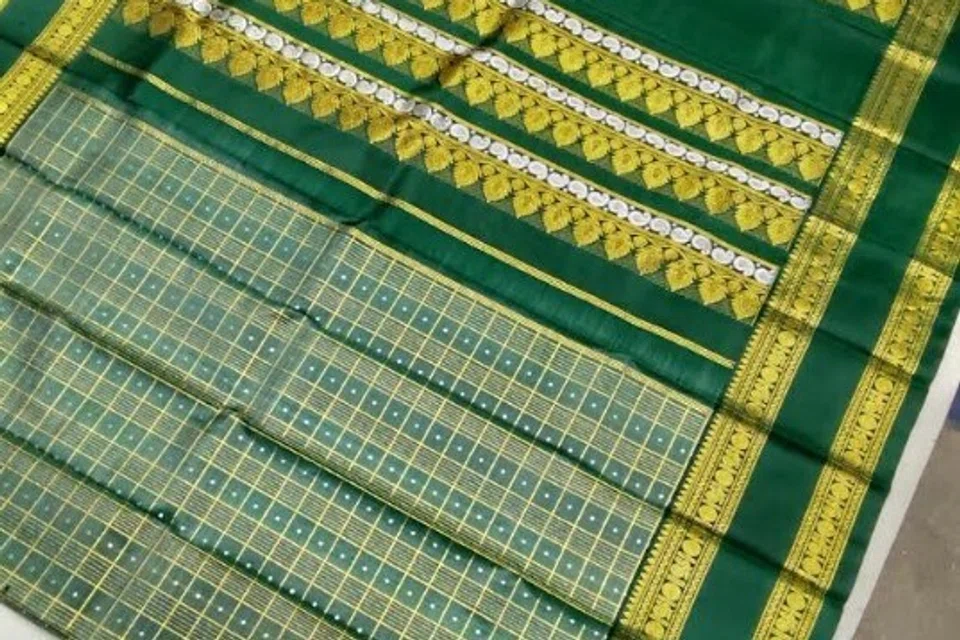
I still treasure a 43-year-old Tirubhuvanam silk saree received at a family function. Its “Muthu Kattam” pattern of tiny squares remains beautiful, while its colour and zari (fine metallic thread) have survived remarkably well.
Careful preservation has mattered. Silk, however exquisite, can weaken with age. That is why an old saree is not simply something to wear again; it is something to cherish, protect and remember.
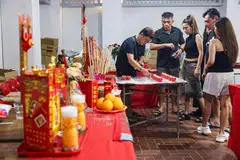
As Singapore celebrates Deepavali on Sunday, Nov 8, this heritage feels especially relevant. Tirubhuvanam sarees were sold at this year’s Deepavali Fair, bringing the craftsmanship of a Tamil Nadu weaving town closer to Singapore shoppers.
Mention “pattu”, or silk, and Kanchipuram immediately comes to mind. Yet Tirubhuvanam, near Kumbakonam, has its own distinguished identity. Its silk sarees received Geographical Indication (GI) recognition in 2019, acknowledging their connection to the town’s weaving tradition.
That tradition is associated with the Chola period, particularly Kulothunga Chola III. Generations of artisans, including Saurashtra weavers known as “Pattunoolkarar”, have sustained it. Their ancestors migrated from western India and settled in Tamil Nadu’s temple towns.
Established in 1955, the Thirubuvanam Silk Handloom Weavers Co-operative Production and Sale Society, popularly known as THICO Silks, carries this legacy forward. Its artisans weave fine mulberry silk and zari on traditional handlooms.
Each saree reflects hours of concentrated work, skills learned through practice and knowledge handed from one generation of weavers to another.
What makes these sarees distinctive?
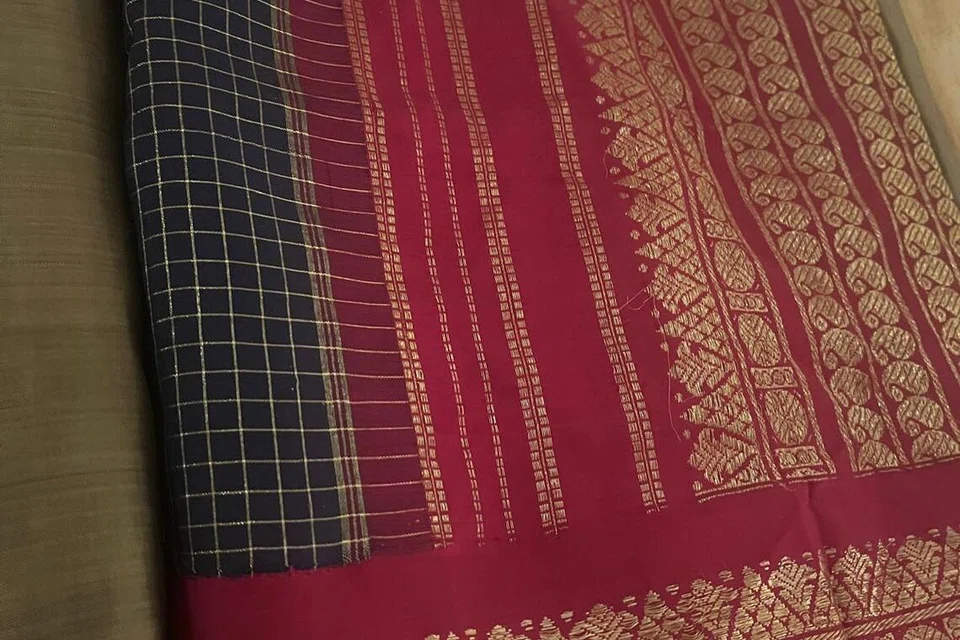
The ‘Korvai’ technique interlocks contrasting borders with the body. “Pitni” work joins the decorative end-piece, or “pallu”. Some varieties are woven continuously, giving them a graceful drape.
Their motifs draw from temples and nature: “Gopuram” towers, “Mangaa” mangoes, “Kalasam” pots, “Rudraksham” beads and “Kodi Visiri” creepers.
Even their presentation is special. “Visiri Madippu”, a fan-like folding method, gives the finished saree its characteristic appearance.
But when we admire a saree at a festive fair, do we think about the hands behind it?
Singapore retailers could tell these stories through simple displays explaining GI recognition, motifs and handloom techniques.
Live weaving demonstrations would allow younger visitors to witness the patience and precision behind every piece, rather than seeing only its price tag.
An exhibition placing carefully preserved family sarees beside contemporary designs could celebrate memory, craftsmanship and cultural continuity. It could also encourage buyers to appreciate the care that silk requires.
Deepavali celebrates the triumph of light over darkness. This year, let us shine that light on the artisans who keep this tradition alive.
An heirloom saree preserves a family’s memories. Supporting its weavers helps preserve a community’s heritage.