Community leaders and the public believe that the new schemes introduced by Prime Minister Lawrence Wong in his National Day Rally speech were rolled out after truly understanding the pulse of the community.
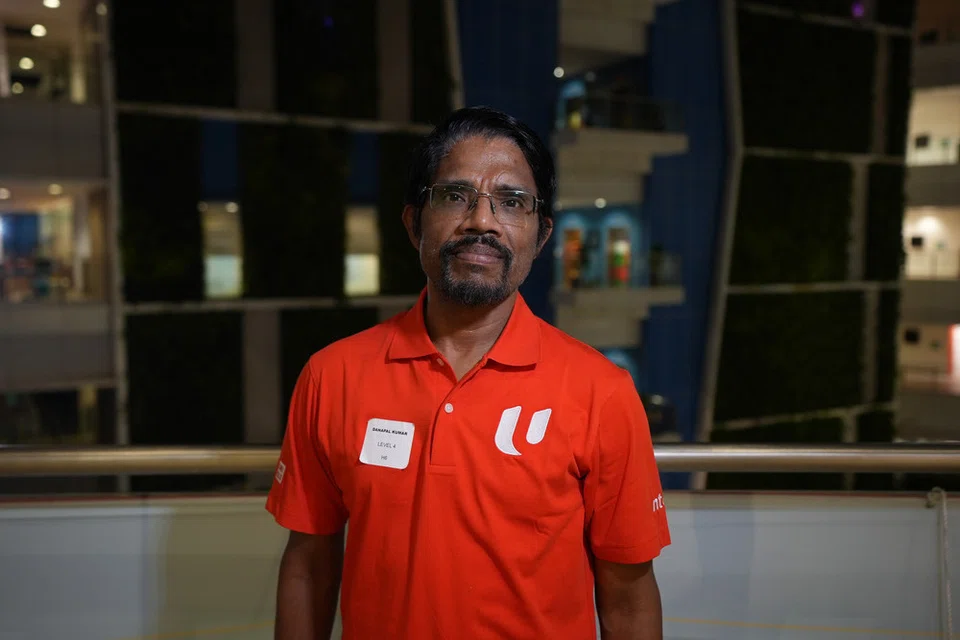
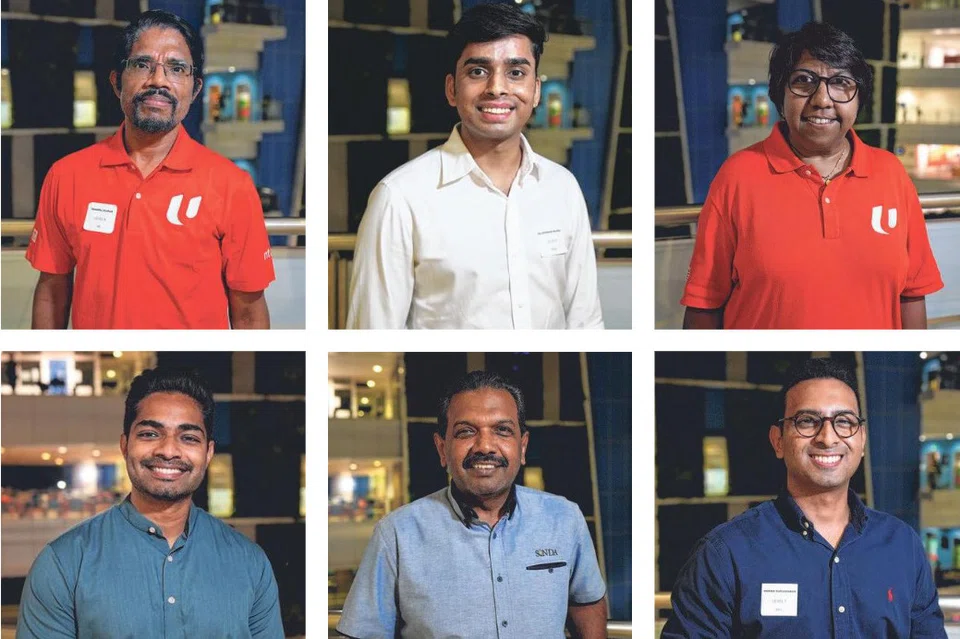
Reactions were particularly positive regarding measures tailored for young families. Singapore Tamil Teachers’ Union President Danapal Kumar viewed the government’s full absorption of costs incurred by employers due to additional parental leave as a remarkable move.
“I believe employers will now be more forthcoming in granting leave to employees. This will also make it easier for young parents to have children,” he stated.
Medical staff Rajendran Rajesh emphasised the importance of employers adhering to the new systems.
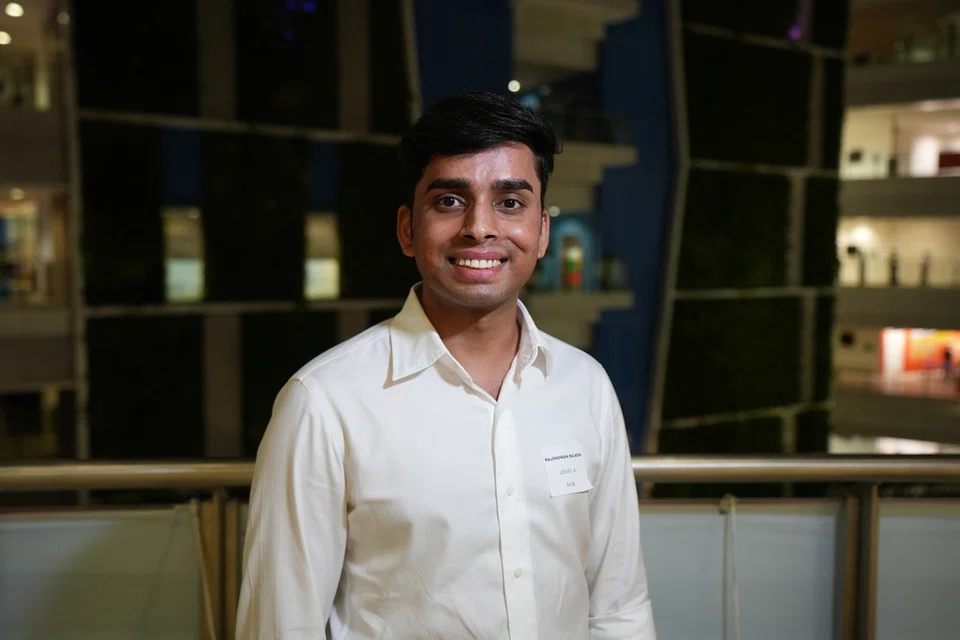
“These new policies will certainly improve conditions compared to the past. However, real success depends on employers understanding needs and facilitating leave smoothly. Workplace support will determine how impactful these changes remain over time,” he said.
National Trades Union Congress (NTUC) President K. Thanaletchimi believes that family-centric initiatives will support women’s career progression.
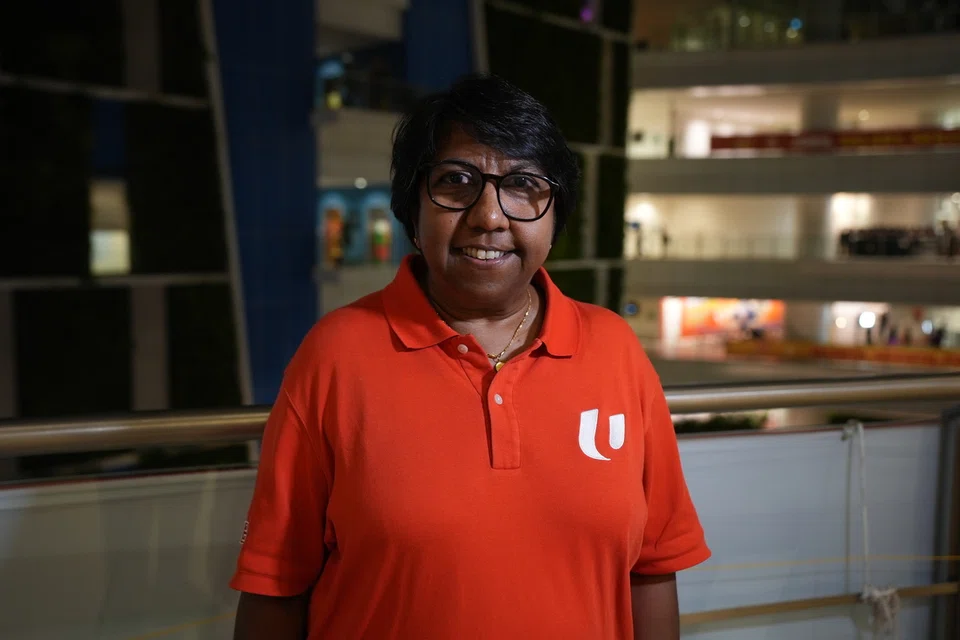
“It is usually when starting a family that women face the necessity to step away from work. Through these new schemes, I believe they won’t have to leave the workforce fully and can tactfully manage both their child-rearing commitments and careers,” she said.
Nominated Member of Parliament Dr Haresh Singaraju shared that he found the points discussed regarding the use of Artificial Intelligence in healthcare and youth social media usage particularly interesting.
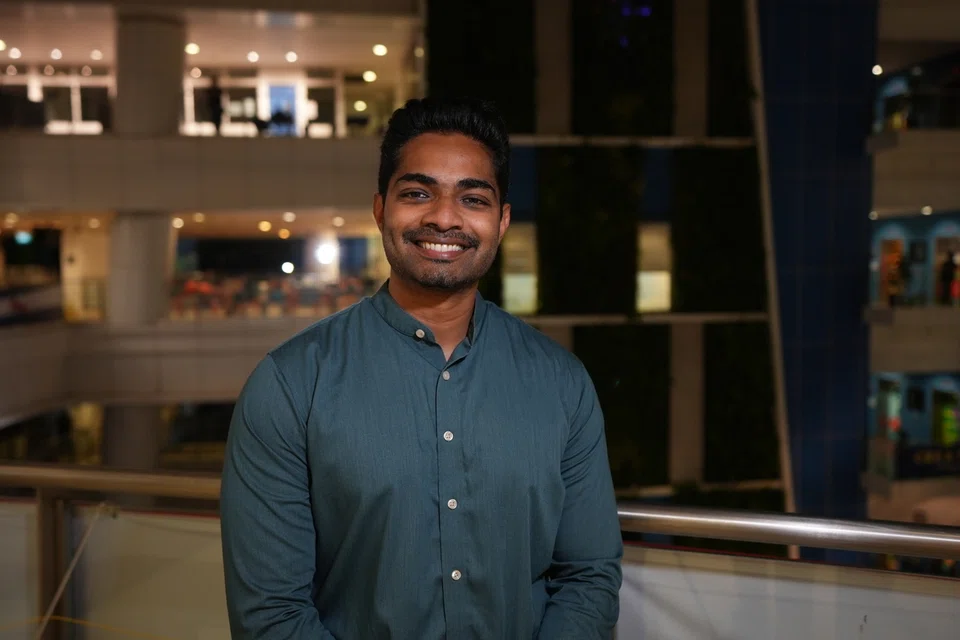
“The increased integration of AI in healthcare is generally welcome. It will certainly assist healthcare staff with challenging tasks like clinical documentation. However, it is essential to roll out its implementation cautiously. It should serve to support staff, but we must not assume AI can fully replace their work,” he remarked.
Additionally, Dr Haresh commented on the Prime Minister’s statement that children under 13 should avoid using social media.
“In my view, that age threshold could be 16. According to the medical concept of ‘Gillick competence,’ it is believed that only individuals over 16 possess the maturity to make certain decisions independently. Therefore, social media restrictions could initially apply to those under 16, with the age limit gradually lowered over time,” Dr Haresh suggested.
The policies on AI usage also stood out to SINDA CEO Anbarasu Rajendran. He shared that for SINDA, preparing lower-income families for AI-driven changes is a critical goal, as failing to upskill them could widen existing socio-economic gaps; thus, the new policies introduced are encouraging.
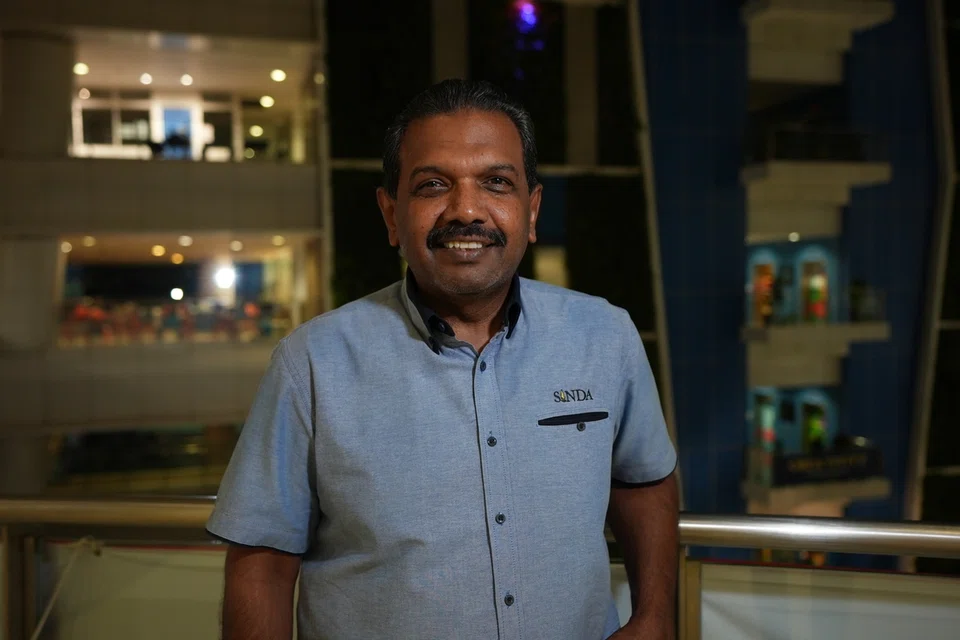
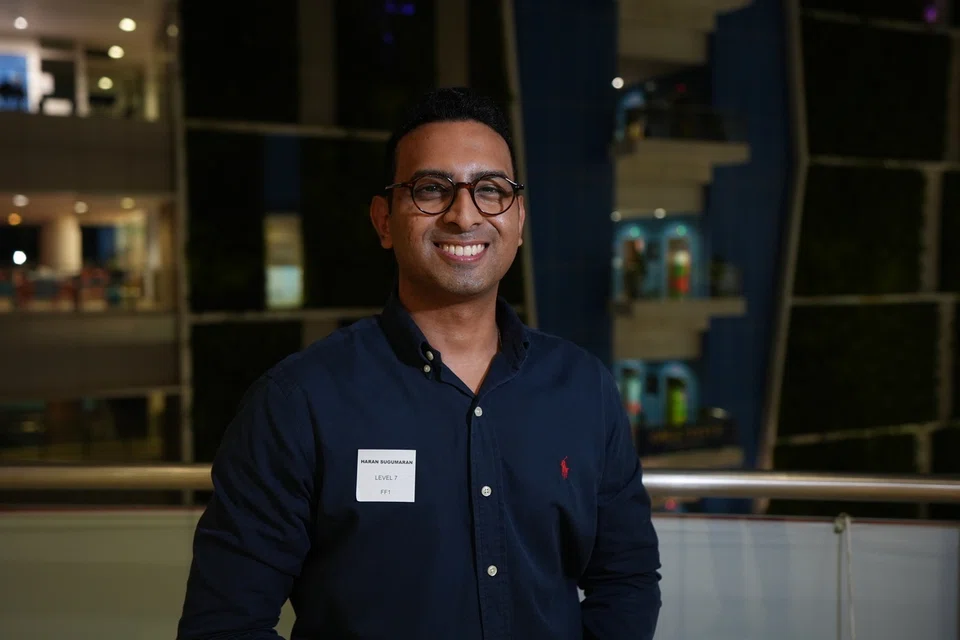
Lawyer Haran Sugumaran hoped to hear more about the Western Island. “I think more details are to follow, but it will be very interesting to see how they’re going to develop it, and how it’s going to support the economy in the next 50 to 100 years,” he said.