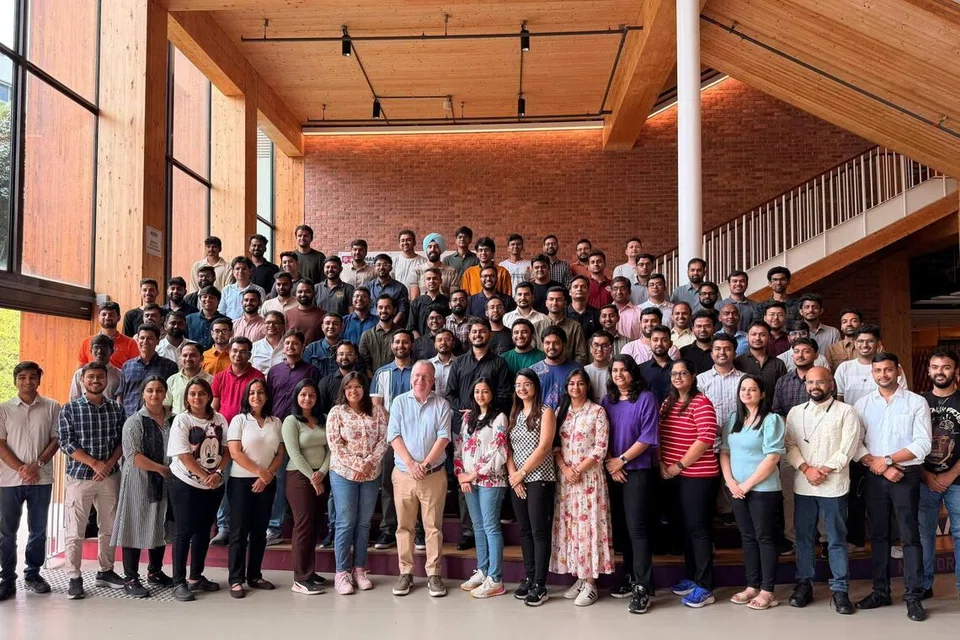

In a last-minute pivot driven by global uncertainty, Indian Institute of Management Calcutta (IIM Calcutta) took its flagship international immersion programme to Nanyang Technological University (NTU) in Singapore.
“For the last two to three years, we’ve been going to Italy and Spain – about half the batch to each country,” Professor Saravana Jaikumar said. “This year, we decided not to go to Europe given the current geopolitical situation,” he added.
IIM Calcutta’s Director, Professor Alok Kumar Rai, who championed the shift, said: “As one of India’s premier institutions, IIM Calcutta must partner with the very best globally. In Singapore, NTU was a no-brainer.”
Held at NTU’s Nanyang Business School, the one-week programme, from March 23-27, was tightly structured, with four days of intensive classroom engagement. Sessions covered future customer experience, digital transformation, artificial intelligence and the future of work, sustainable finance, and neuromarketing, among other relevant topics.
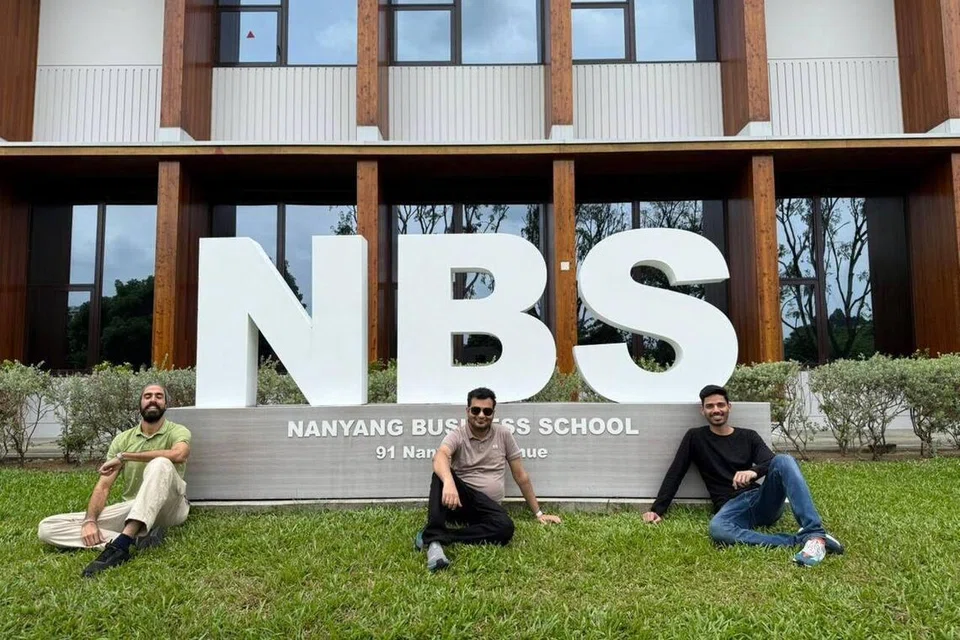
After previous plans were suddenly halted, IIM Calcutta collaborated with NTU to develop the aforementioned holistic curriculum and programme for students within 10 days.
“The only major hurdle was trying to procure visas for 92 people,” Prof Jaikumar noted. “But we got tremendous support and were able to pull this off at the last minute.”
The immersion programme is a key component of IIM Calcutta’s Master of Business Administration (MBA) programme, designed for mid-career professionals aiming to take on leadership roles.
One of the students, Atul Kotagal, 34, said, “Given the level of interconnections across the world today, having an international immersion gives us an edge.”
“Alongside academic learning, it was also about immersion in the geographical location, which is equally important because as business professionals, we’ll be interacting with so many people from across the world, and developing that sensitivity that lends an understanding of how businesses and professionals function,” he explained.
Another student, Sumit Yadav, 30, highlighted the relevance of the curriculum across industries. “The content was very relevant, irrespective of which industry you come from,” he said, adding that “neuromarketing is something you don’t get to see very often – the whole programme was very research-oriented and gave us a completely new perspective.”
The teaching approach also stood out. Compared to previous European immersions, which were more case-based, the Singapore programme leaned heavily on discussion and real-world application. “Here, it was more interactive, with real-life examples and immersive scenarios,” Prof Jaikumar observed.
Beyond academics, the programme offered opportunities to engage with the broader Singapore ecosystem. A session featuring a Singapore Economic Development Board representative provided “a very good understanding of how Singapore has developed and what its future plans are.”
Additionally, the students also attended an alumni interaction moderated by a member of IIM Calcutta’s Board of Governors, Mr Sanjiv Aiyar. The session brought together several IIM Calcutta alumni occupying senior leadership roles and involved in entrepreneurial ventures across Singapore.
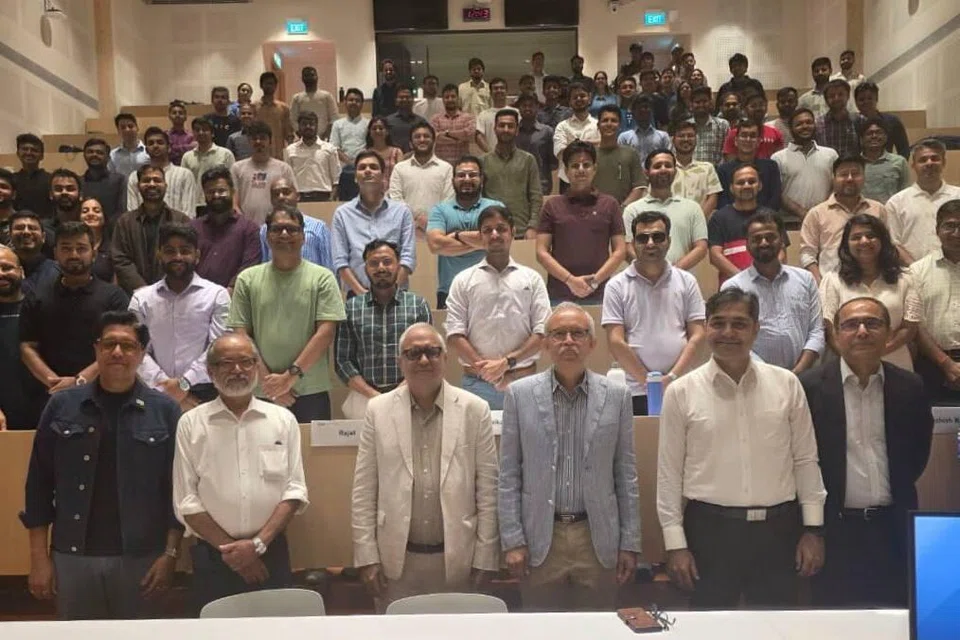
Prof Jaikumar noted that the alumni “engaged students in candid conversation regarding AI’s transformative impact on industries, the evolving expectations of business leaders, and how aspiring professionals can stay ahead of the curve.”
Evenings and free days were spent exploring the city, adding a cultural layer to the experience.
The visit has already sparked discussions of deeper collaboration. “We’ve had very productive discussions across multiple fronts,” Prof Jaikumar said. “From making this a regular immersion, to joint research conferences, sustainability programmes, and even doctoral pathways, we’re planning to take this collaboration forward step by step.”