
Successful integration of migrants will be key to sustaining the language, culture, and heritage of Singapore’s Indian community in the years ahead, highlighted Minister of State for Culture, Community and Youth, and Manpower, Dinesh Vasu Dash.
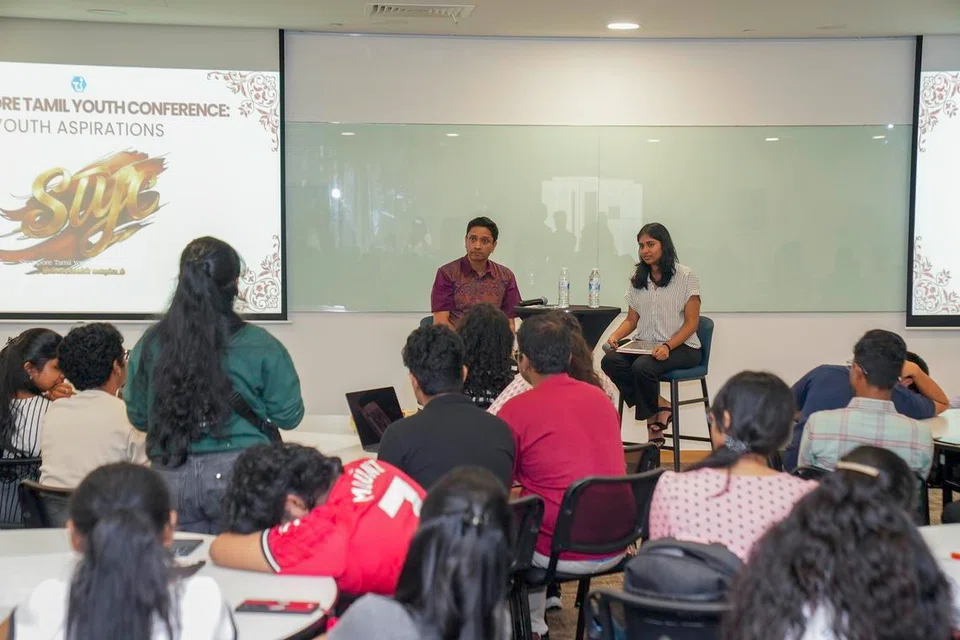
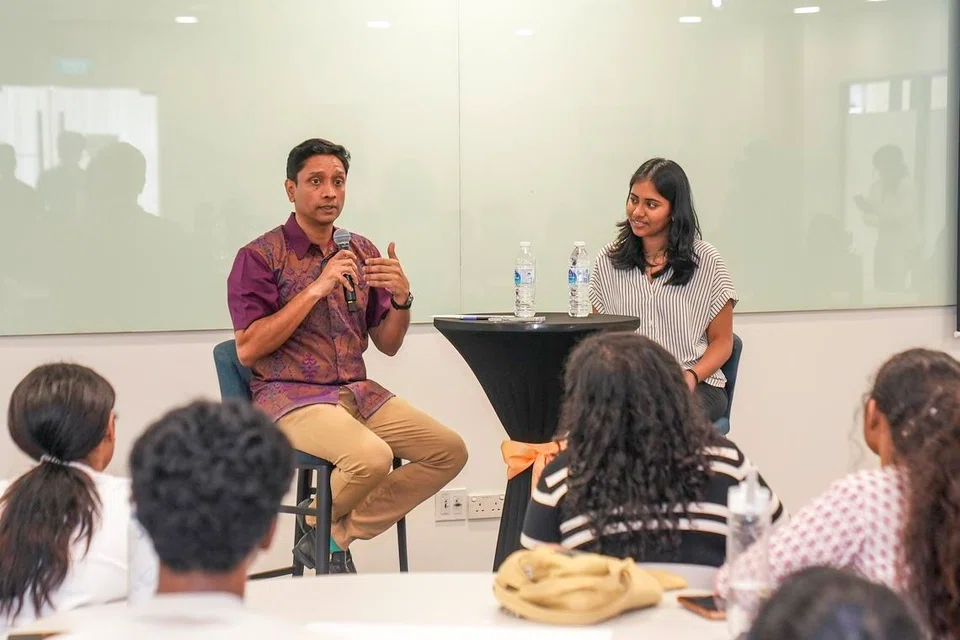
Speaking at a fireside chat in relation to the Singapore Tamil Youth Conference, organised by the National University of Singapore (NUS) Tamil Language Society (TLS) on Jan 17, Mr Dinesh noted that the Indian community has long “punched above its weight”. Despite accounting for only about 7.8 per cent of Singapore’s population, he noted that Indians are well represented across various sectors, including business and government.
“The challenge is to figure out what else we need to do to position ourselves for the next generation. What structures and systems should we put in place so that when you reach my age, you will be in a better position to shape the future?” he noted.
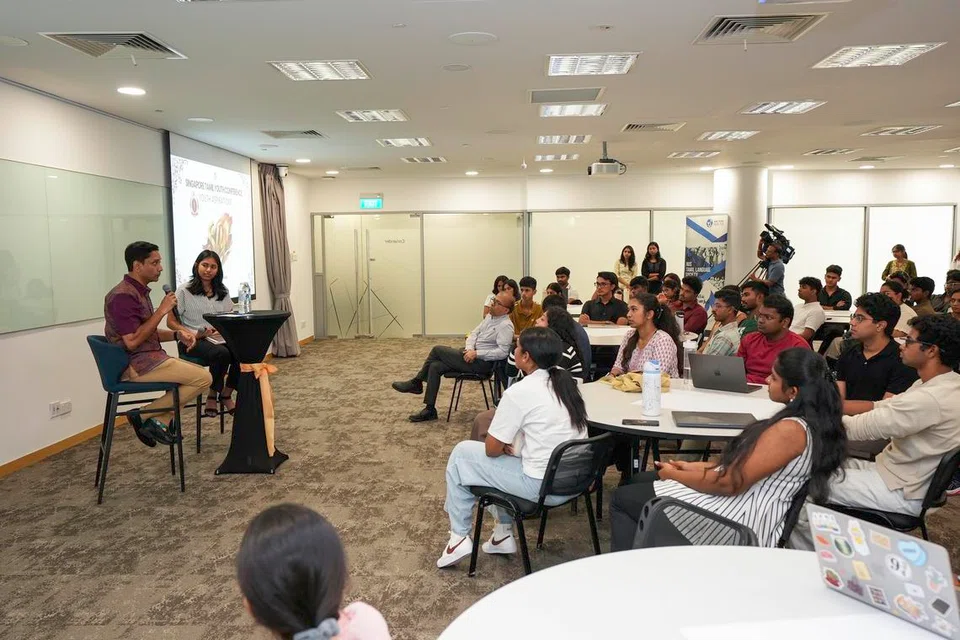
Mr Dinesh pointed out the demographic realities facing the community. He pointed out that Singapore Indians’ total fertility rate currently stands at about 0.9, far below the 2.1 needed to maintain population size, indicating a shrinking local population.
However, he said, many people from India are still eager to migrate to Singapore and start families. “We have always been a migrant nation. Even if you were born here, your ancestors came from India. Integration across generations will continue to be a work in progress,” he added.
He emphasised maintaining cultural links with India while adapting traditions to Singapore’s context. Using the fish head curry as an example, he noted that a dish largely unfamiliar in India has become a Singaporean delicacy enjoyed by multiple communities.
“Sometimes in Singapore, you are given a lemon. But here, we don’t just make lemonade. We make it and sell it to the world. That is the spirit we should have,” Mr Dinesh said, urging youths to turn limitations into strengths.
About 50 youths aged 16 to 35 attended the event, which kicked off a six-month dialogue series aimed at gathering insights on the community’s goals, challenges, and needs. Participants were divided into small groups of 8 to 10, with discussions moderated in both Tamil and English.
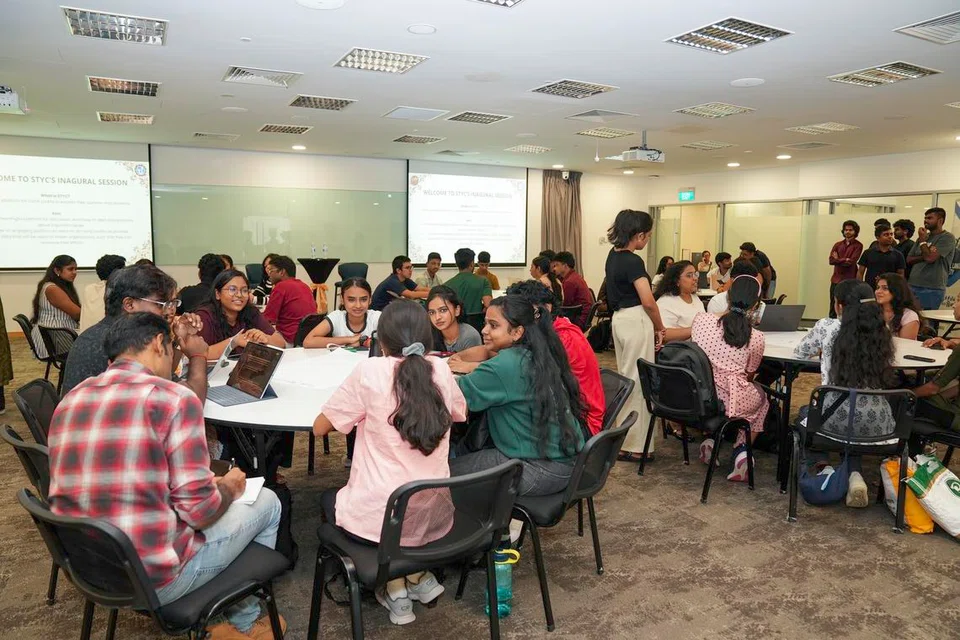
Themed ‘Youth Aspirations’, the session focused on how young Indians define success today, the obstacles they encounter, and the support they need, including structural guidance, mentorship, and emotional resources.
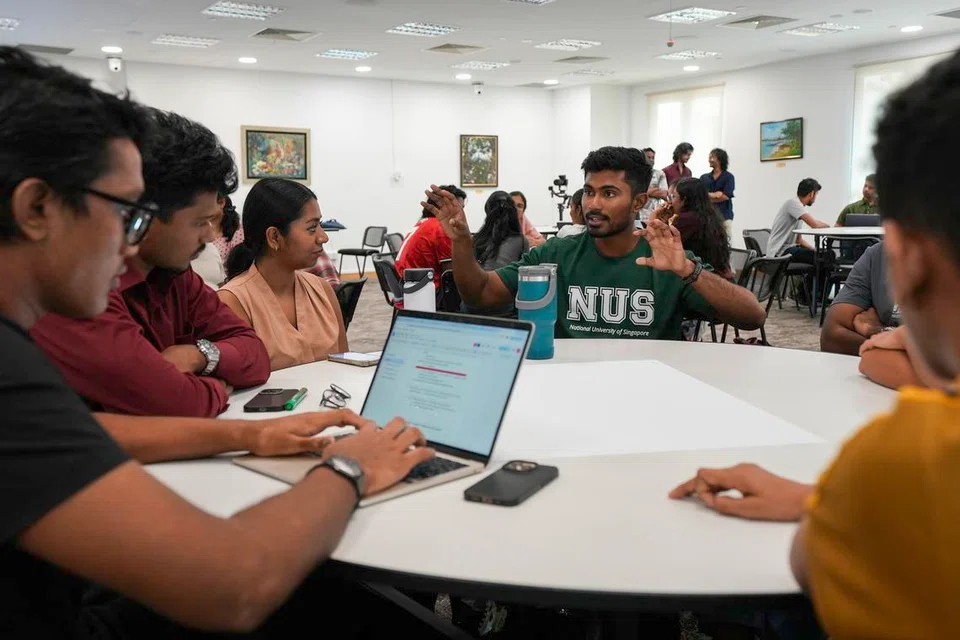
“This year’s theme was chosen to provide a safe space for young people to express what they genuinely care about, beyond traditional perspectives,” said Kannan Vaishnavi, 22, chair of the organising committee and a third-year Philosophy, Politics, and Economics student at NUS.
She added that the main goal was to identify support and resources that are often hard to access and make them more relevant and effective.
The event also gave 22-year-old NUS computer science student Jaivasanth Vadivel a sense of personal responsibility and motivation. While policies and institutions play a part, he noted that young people must take charge of shaping their own paths and contributing to society.
Organisers said the conference series will continue with sessions on mental well-being and Tamil arts. Insights will be compiled and shared with Indian organisations to help shape long-term strategies supporting youth development and the sustainability of Singapore’s Indian community.