
The theme of Singapore Writers Festival 2026 is Hidden In Plain Sight, with a large focus on crime writers, medical topics and journalism. But it’s not only mysteries that remain hidden, as certain panels also explored the hidden stories of our society and why they continue to remain concealed.
Aswani Aswath’s hidden Strawberry Girls
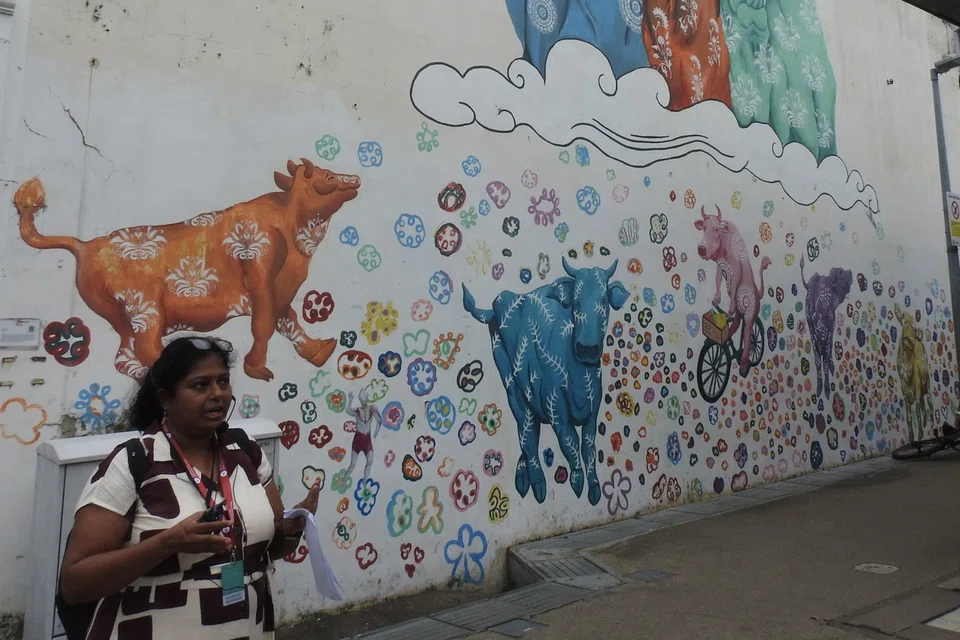
Bilingual playwright Aswani Aswath is passionate about women’s health issues and society’s lack of conversations on the same, and so she brought her play – Strawberry Girls – to the festival.
The play follows three generations of Tamil women: a daughter, mother and grandmother, who all have opposing views on the daughter’s upcoming sadangu or coming-of-age ceremony for women.
Aswani’s staging was part of the programme Saving Face: Culture, Community and the Unspoken, which used dramatised readings and a short film to discuss issues that remain hidden in conversation.
While this condensed version of the play did not translate as well as the original piece, the core message still remains: to bring awareness to the tensions that come during menstruation.
The play also takes great care in empathising with some of the traditions and superstitions that exist in Tamil culture, such as why girls during their period may be considered to be “unclean”, while still encouraging boundaries to be drawn and thoughts to progress.
“The question now is: I understand where they are coming from, but do I still want these practices and traditions to continue as they have, as we progress in society? We may become a bit more open to certain things; then, are there parts of the tradition we can let go of, and other parts of the tradition we can keep?” she said.
Little India’s hidden murals
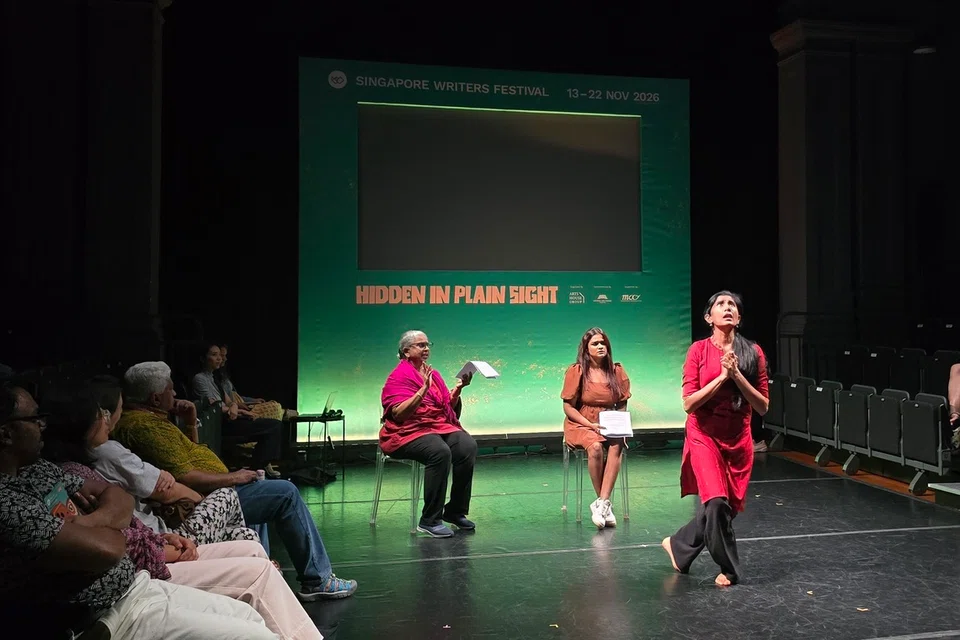
“History does not need to be boring; it can be cheerful,” said tour guide Hemalatha, before she guided a group of festival attendees through a mural art walk, Echoes in Art and Ink: Rediscovering Little India’s Hidden Stories.
Ms Hemalatha and Ms B Ganga, who are both writers, walked the group through seven murals, such as Cattleland 2, until ending the tour at the Indian Heritage Centre, where panellists, Tamil writers Uma Kathir and K Subramaniam, waited to discuss their own “hidden” Little India stories.
While the panel also discussed hidden tales of migrant workers and the ordinary man, the tour was the true highlight, allowing participants to really engage with the stories that they could physically experience.
It also felt in line with the theme, as most of the murals are tucked away in tiny alleys, and even though they may be massive in scale, they still suffer the fate of being missed in the hustle and bustle.
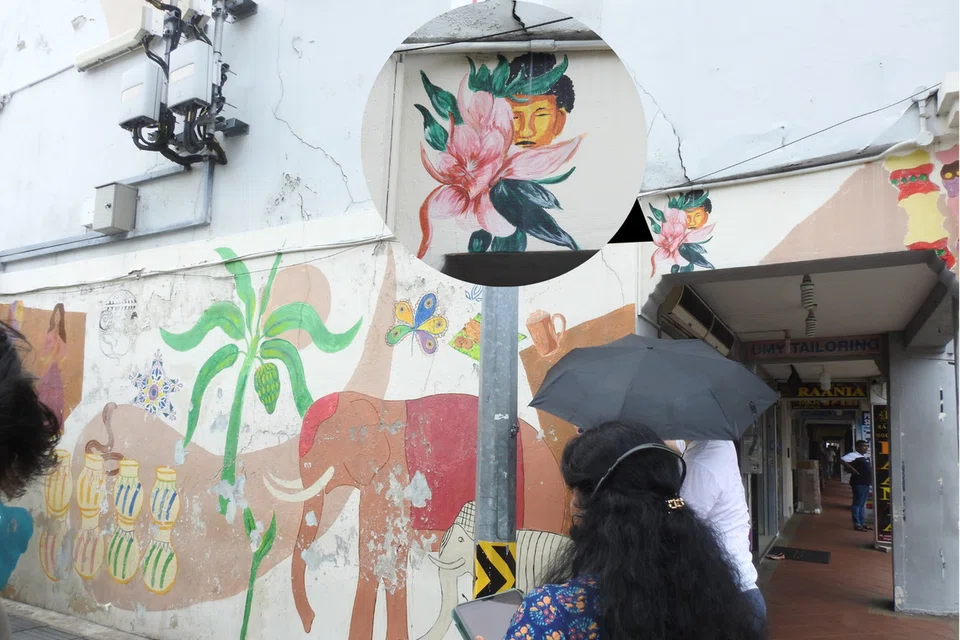
Additionally, the murals themselves have some hidden motifs inside, such as a Buddha figure behind a flower in the mural Warp and Weft.
“Maybe it will be an eye-opener for the attendees. The next time they go to places, they can see the murals, and they can think about the story behind them,” said Ms Ganga.
Though the English tour has passed, tickets for the Tamil tour on Nov 21 are available on bookmyshow.sg.
Daughter of hidden family truths
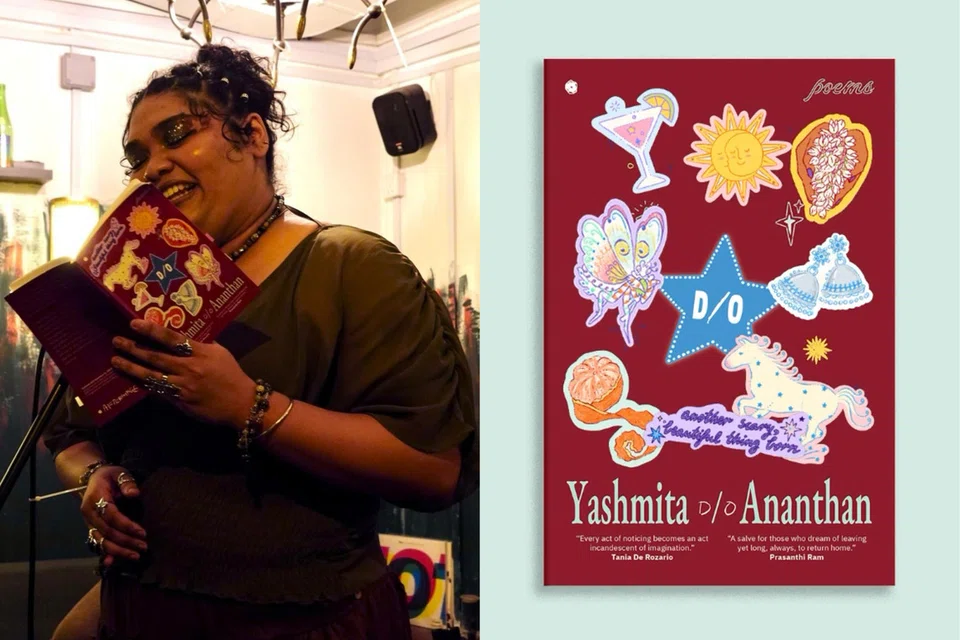
Publishing a poetry book at 23 is no small feat, and earlier this year, Yashmita d/o Ananthan achieved it through her book D/O.
The book is a delightfully emotional and unabashedly chaotic anthology of her life so far, with poems on what it means to be a queer Tamil woman, like In Chrysalis, or adapting to adulthood out of Singapore, like in first meal/last meal.
Yashmita will be speaking on the panel, What My Mother Knew: Family Memory, Silence and the Poetic Archive, on Nov 21, which is included in the festival pass. The panel aims to use poetry to discuss family secrets and history.
Though D/O doesn’t have a direct poem to her mother, Yashmita said she’s constantly writing about her mother in a more implicit way.
“I think our relationship with our mothers has such a trickle-down effect on our capacity to appreciate differences between others. I think, as a daughter, as a woman, your relationship with your mom is the first thing that so deeply enables and shapes all these things,” said Yashmita.