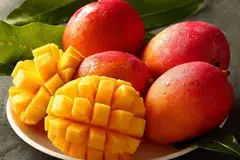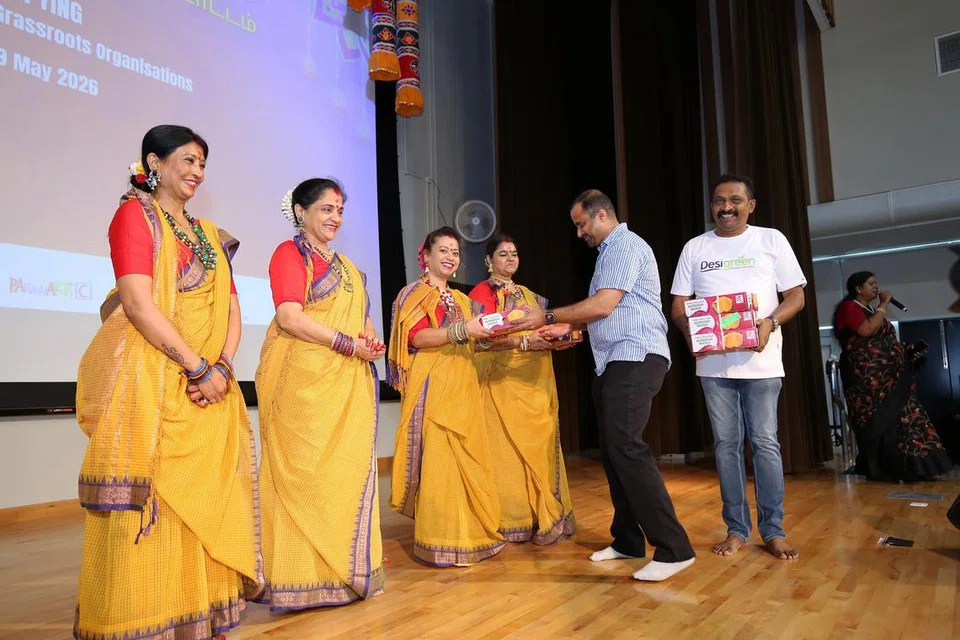
Performers at a cultural festival in Singapore received an unusual but much-loved reward last weekend – cartons of premium Indian mangoes – as the High Commission of India (HCI) in Singapore expanded its use of “mango diplomacy” to promote cultural ties and awareness of India’s famed fruit varieties.
The “Threads of Indian Tradition” festival, organised on May 9 by the Nee Soon South Indian Activity Executive Committee (IAEC) and the Nee Soon South Community Club Management Committee, blended Indian music, dance, crafts, and cuisine with an innovative mango promotion campaign that delighted residents and performers alike.
Instead of the usual trophies or medals, artistes who participated in the event were presented with boxes containing six varieties of Indian mangoes after their performances. The idea of the HCI quickly became one of the highlights of the evening.
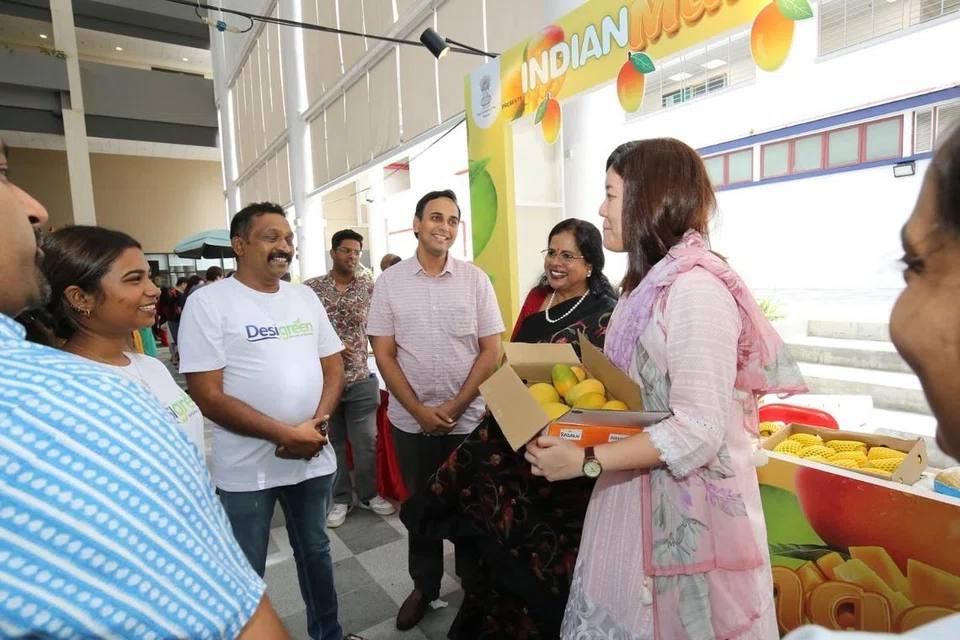
“It is the first time I am seeing something like this – every performer got a box with six different mangoes,” said Ms Sithara Doriasamy, chairperson of Nee Soon South IAEC and organising committee chair.
“It was a sweet gesture from the High Commission which surprised everyone,” she added.
The festival featured around 60 performers from nine organisations showcasing Indian classical dance and music traditions from states including Tamil Nadu, Maharashtra, Kerala, Odisha, Punjab, West Bengal, and Assam.
More than 650 residents attended the event, including members of the Indian, Chinese and Malay communities.
“The event was a celebration of Indian craftsmanship, heritage, arts, music and community, which was appreciated and commended by over 650 people,” said Ms Sithara. “It was also a showcase of the multiculturalism of Singapore society.”
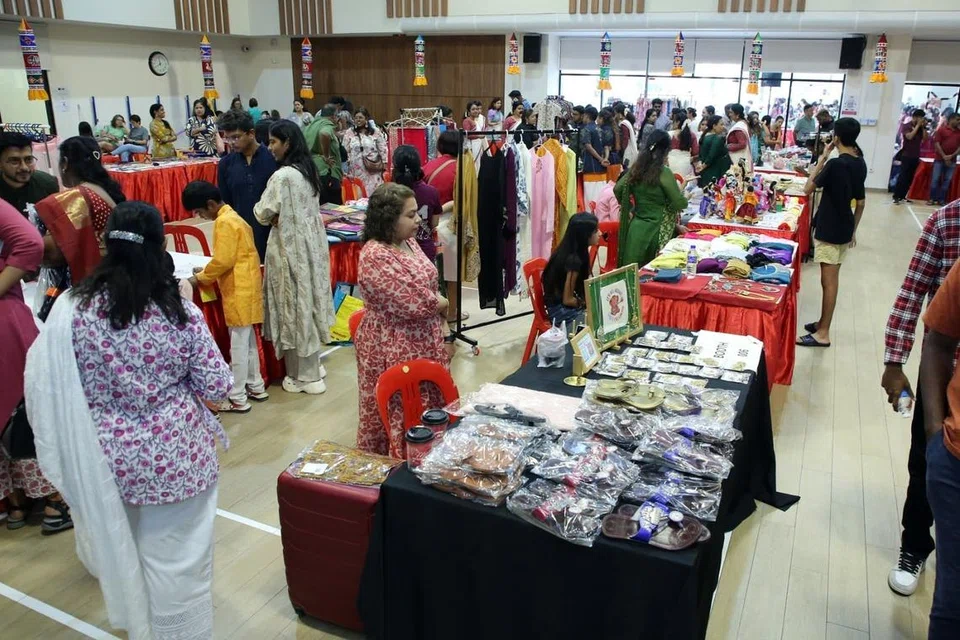
Apart from performances, stalls displaying Indian clothing, accessories, and handicrafts highlighted the continuing relevance of traditional craftsmanship in modern life. But it was the mangoes that drew some of the biggest reactions.
Visitors sampled and discussed famous Indian varieties such as Alphonso, Kesar, Dasheri, and Langra, many tasting them for the first time.
India’s High Commissioner to Singapore Shilpak Ambule said the initiative aimed to introduce Singaporeans to the diversity of Indian mangoes while strengthening cultural understanding.
“Our endeavour has been to introduce a diverse range of globally renowned Indian mangoes to our Singaporean friends,” he said.
“We are not just showcasing Indian mangoes, but giving a glimpse of ‘Incredible India’ to our Singaporean friends, with the hope of bringing them even closer to India.”
The Nee Soon South event was the second major mango-focused outreach programme organised by the High Commission this month. Earlier, the Indian Mango Festival held at Our Tampines Hub from May 1 to 3 attracted more than 6,000 visitors who sampled 10 varieties of mangoes from across India.
The fruit showcased at both events came from states including Maharashtra, Gujarat, Andhra Pradesh, Karnataka, Uttar Pradesh, and Goa. India is the world’s largest producer of mangoes and is estimated to grow nearly 1,000 varieties.
For performers, the mango prizes made the festival especially memorable.
“I have performed at dozens of events, but this is the first time I have been felicitated with a box of mangoes,” said Susmita Hazra, who did a dance number with a group from the Bengali Sarbojonin Society Singapore. “These fresh, sweet, and yummy mangoes after our performance were not expected. We got them with a lot love.”
Homemaker and volunteer Tanuja Mohindru said the creative idea had generated interest even among non-Indians.
“The presentation of mango boxes has sparked greater buying interest even among non-Indians,” she said.
The initiative reflects how food diplomacy is increasingly becoming part of cultural outreach efforts, using cuisine and agricultural products to create connections between communities.