Thousands of Indian soldiers who fought and died in Malaya and Singapore during World War II were remembered on India’s 80th Independence Day, with a solemn ceremony highlighting a wartime contribution that historians say remains relatively little known.
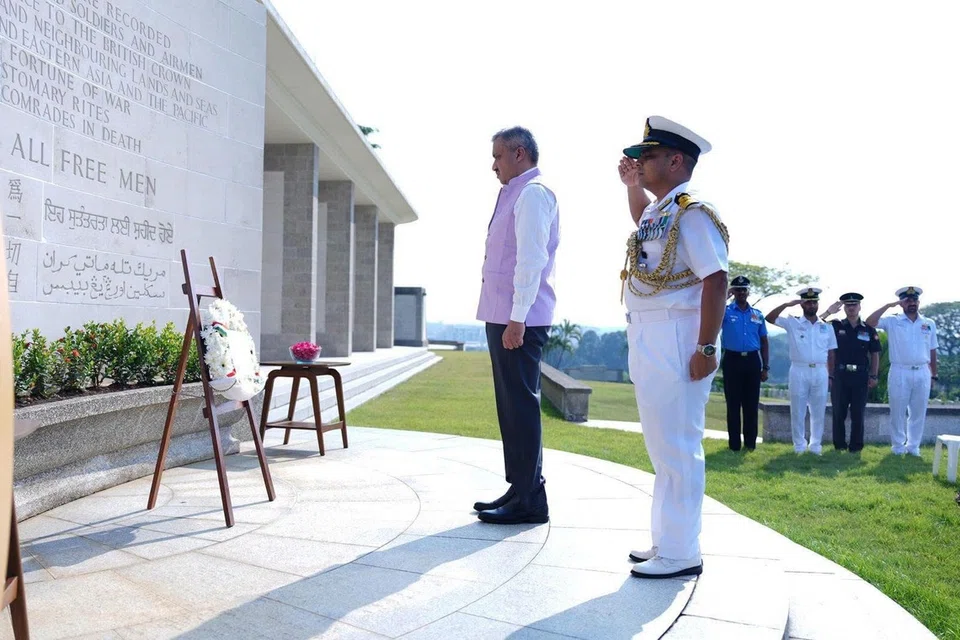
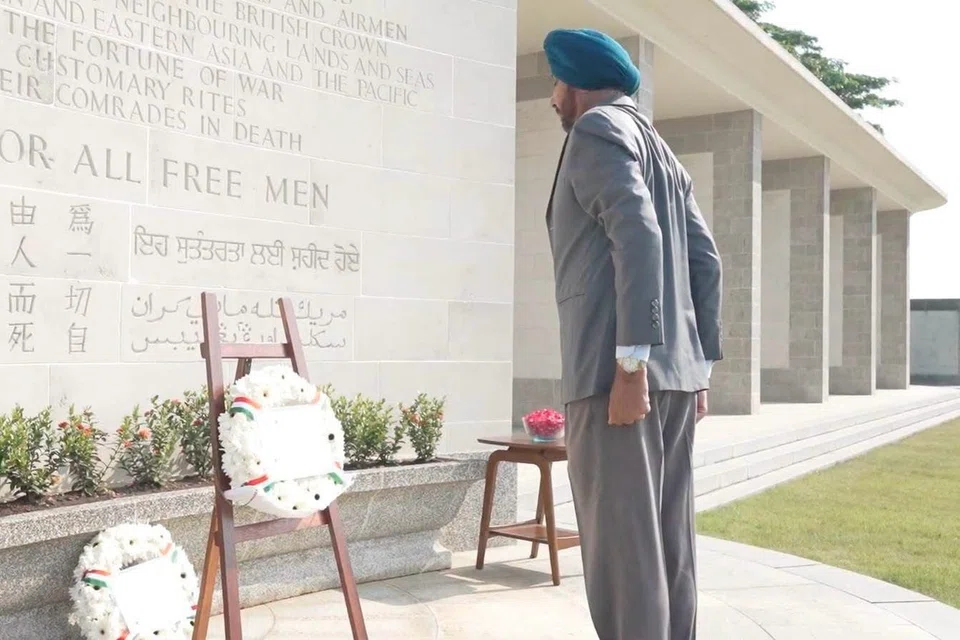
The High Commission of India in Singapore organised a wreath-laying ceremony at the Kranji War Cemetery and Memorial on Aug 15, with High Commissioner Shilpak Ambule laying a wreath on behalf of the Indian community.
Families of serving Indian Armed Forces personnel deputed to Singapore, Indian military veterans, High Commission officials and members of the Indian and Singaporean communities attended. A senior Indian Army veteran also laid a wreath, while guests placed flowers at the memorial.
Defence Adviser at the HCI Captain Anoop Sharma said the ceremony commemorated thousands of Indian soldiers who had laid down their lives in the line of duty, both before and after India’s independence, in conflicts at home and overseas.
Dr Ambule highlighted the scale of the Indian contribution to the defence of Malaya and Singapore during World War II.
More than 67,000 of the 139,000 Allied troops deployed to fight in Malaya and Singapore were Indians, he said. The names of more than 12,500 Indian soldiers are among those of 24,000 fallen Allied personnel inscribed on the walls of the Kranji War Memorial.
He also recalled the hardships endured by large numbers of Indian prisoners of war in Singapore, many of whom never returned home.
India’s military connection with Singapore extended to the end of the war. Dr Ambule noted that the 5th Infantry Division of the pre-independence Indian Army arrived on Sept 5, 1945, as the first Allied forces to enter and liberate Singapore following the Japanese surrender.
Drawing on the Bhagavad Gita, he described Indian military history as a story of courage, resilience and unwavering commitment to the “Naam (name), Namak (salt), and Nishaan (flag)” of the motherland.
Thousands of Indian soldiers, he said, had fought on battlefields around the world and sacrificed their lives for their flag and country.
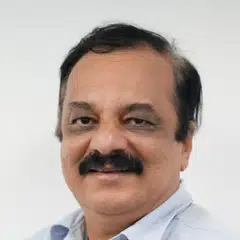
Among those laying a wreath was retired Indian Army officer Lieutenant General BPS Mander, an author who was visiting Singapore to spend time with his daughter’s family.
“It was a big honour for me to lay the wreath in memory of the Indian soldiers,” he said. “Their bravery has been well documented. Some of them were as young as 16 and they made tremendous sacrifices.”
Prominent Singapore military historian and heritage entrepreneur Jeya Ayadurai said the Indian Army’s contribution to Singapore’s defence deserved greater recognition.
“As a military historian, I always feel that it is important that the sacrifice made by the armed forces should be recognised,” he said. “The uniform they wear always signifies their readiness to give their life in service of the nation.”
Mr Ayadurai said that, as a Singaporean, he was grateful to the different nations whose soldiers helped defend Singapore.
He pointed out that Indian troops constituted the largest contingent defending Singapore during World War II, but their role was often overshadowed in popular accounts by those of British and Australian forces.
“Very little is said of the largest group that defended Singapore,” he said. “I’m really pleased that the High Commission has taken the initiative to start this tradition of remembering the Indian fallen because of the great sacrifice they made in the defence and security of Singapore.”
Their courage, he added, was particularly striking considering the conditions in which many Indian soldiers fought.
Some had been trained for desert warfare before being deployed to the tropical battlefields of Malaya. They were poorly prepared to confront Japanese armour and, in some instances, faced tanks without adequate training or equipment.
“It was literally armour versus flesh, and to stand and fight under those conditions is significant,” Mr Ayadurai said.
He also pointed to the extraordinary youth of some of those who died, noting that Indian soldiers aged just 16 are among the youngest servicemen buried at Kranji.
Their stories, he said, should also be viewed against India’s wider contribution to World War II through what became the world’s largest volunteer army.
Maintained by the Commonwealth War Graves Commission, the Kranji War Cemetery and Memorial preserves the names and graves of those who died during a tumultuous period that shaped Singapore, India, and the wider region.