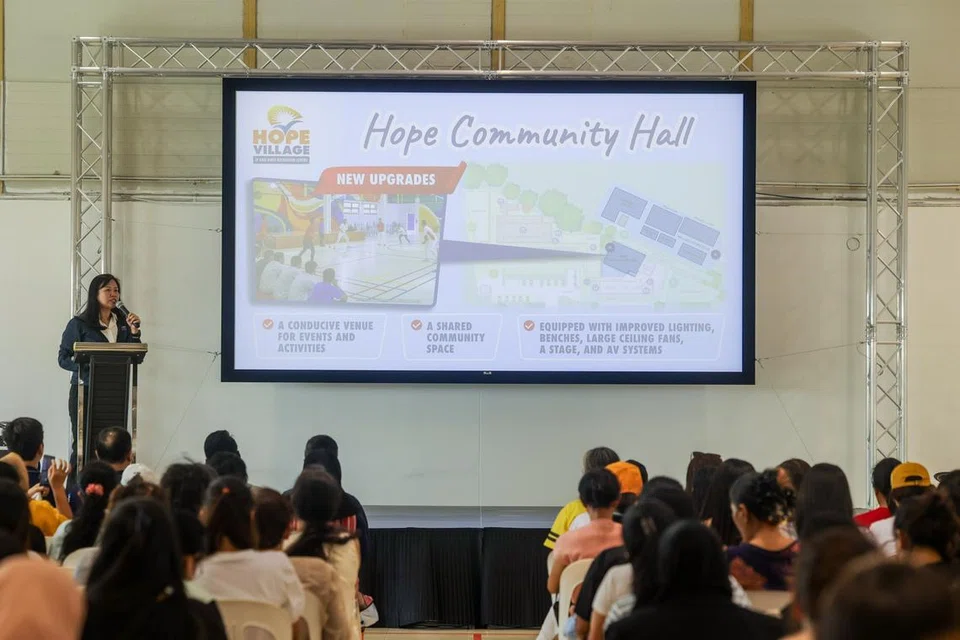
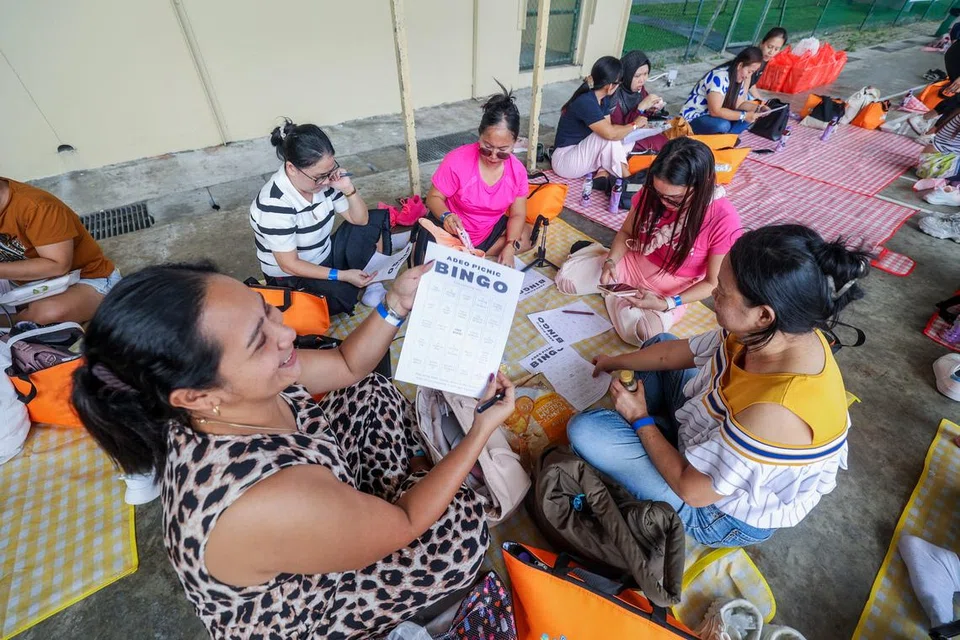

The Kaki Bukit Recreation Centre (KBRC), traditionally a hub for migrant workers (MWs), is set to be transformed into a unique, integrated community space that also meaningfully serves migrant domestic workers (MDWs).
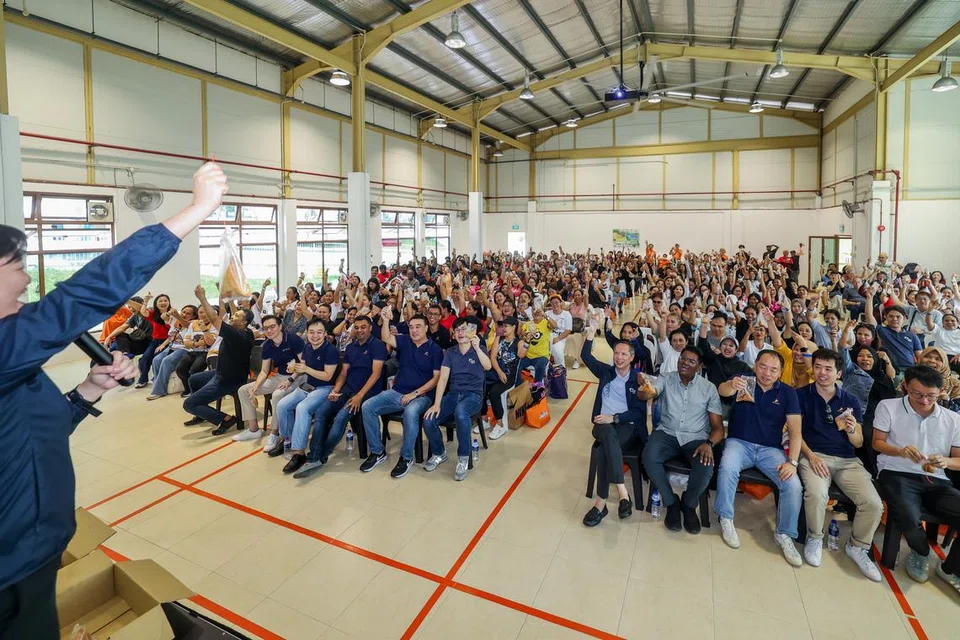
More details about the upgraded facility, named Hope Village @ KBRC, were announced on Jan 4, during the MDW Mega Picnic Day 2026, organised by Hope Initiative Alliance (HIA) through its Alliance of Domestic Employees Outreach movement.
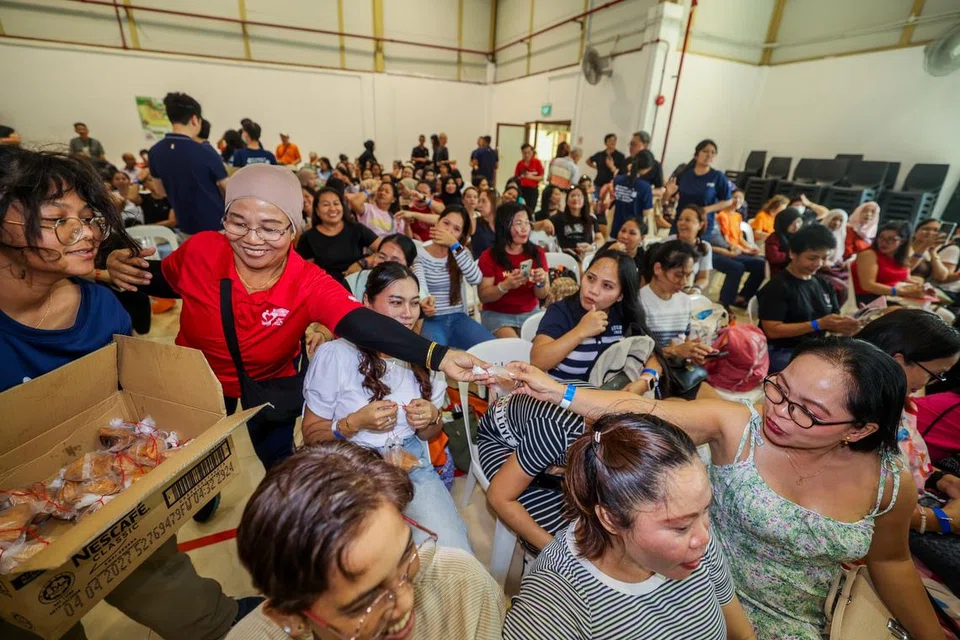
Under an appointment by the Ministry of Manpower (MOM), HIA will manage the recreation centre in partnership with Advancer IFM, an integrated facilities management firm, from January 2026 to December 2028.
While the centre currently boasts a multipurpose hall, sports fields, and dining areas, HIA shared that a redesign is underway to better meet the needs of both MWs and MDWs, while introducing women-centric spaces that are currently lacking in most recreation centres.
Recognising this, parts of the centre are being thoughtfully reimagined to provide environments that feel safe, private, and tailored to women, alongside shared communal facilities.
“We want to ensure that on their rest days, domestic workers can also come here to relax in peace, feel recognised, and improve themselves,” said HIA chairman Reverend Ezekiel Tan.
As part of the broader redevelopment, highlights include shared lifestyle and wellness features, including an outdoor picnic space called the ‘Wellness Street’ and an ‘Oasis Garden’ illuminated with decorative lighting and lined with food stalls. The centre will also house training rooms offering English lessons and basic digital literacy courses.
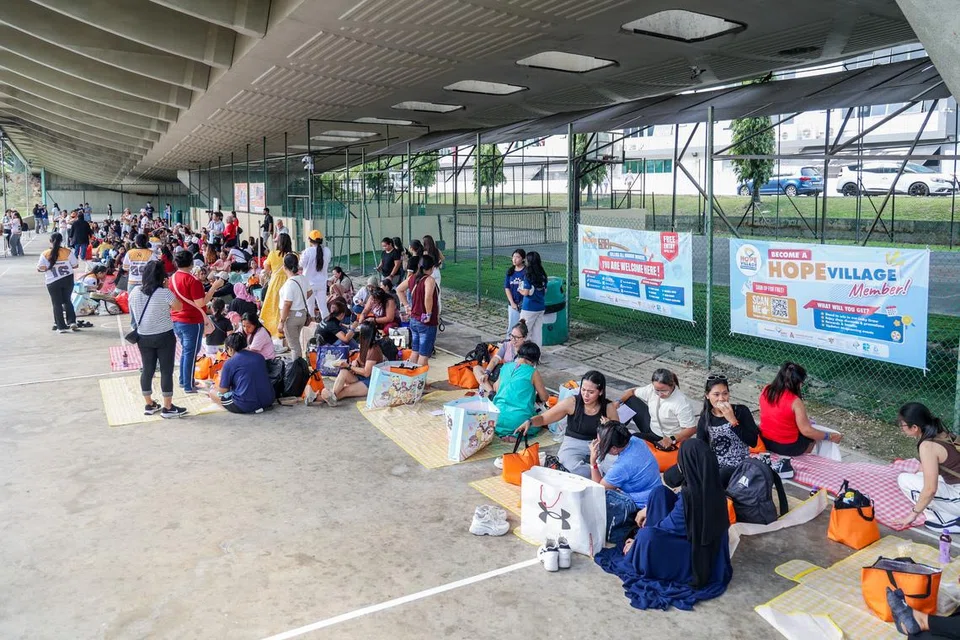
A “container village” comprising around 10 refurbished units is also set to be introduced. These spaces will allow partner organisations to provide essential services such as legal guidance, counselling, and medical support, Mr Tan said.
He emphasised that co-creation lies at the heart of the Hope Village concept, with MDWs actively involved in shaping the space’s evolution.
As part of this approach, HIA has been gathering feedback directly from MDWs and plans to introduce ‘sisters-only zones’ equipped with additional female toilets, lockers, and rooms for dance, crafts, and other leisure activities.
The redevelopment will be carried out in phases, with the centre continuing to operate throughout the works. The goal is to create a welcoming “second home” for all migrant workers in Singapore, Mr Tan added.
Mr Jagathishwaran Rajo, Adviser to the Aljunied GRC Grassroots Organisations and the event’s special guest, highlighted the importance of such spaces for mental well-being.
“They leave their countries and families behind to take care of our elderly and children. It is essential that we support their mental wellness,” he noted.
For the workers themselves, Hope Village represents safety and opportunity.
Ms Cathy Suarez, 42, a pioneer member of Care Sisters (a peer support group for MDWs) said some workers lack safe places to spend their rest hours. “Staying in a park is not always safe. A centre like this will be very useful,” said Ms Suarez, who has been working in Singapore since 2009.
Another MDW, Ms Eni Wijayanti, 41, hopes the centre will offer accessible learning opportunities. “Free English classes, basic computer training, and dance classes like Zumba would be very helpful. Outside, these lessons can be expensive,” she said.
Meanwhile, 47-year-old MDW Mrs Saroja Ganapathy said she looks forward to visiting the centre with friends. “I hope more places like this can be created across the country,” she added.